The Unseen Armor: A Deep Dive into Latest Android Phone Durability and Build Quality
In an era where smartphones have become indispensable extensions of ourselves, their ability to withstand the rigors of daily life is paramount. Beyond the dazzling displays, powerful processors, and cutting-edge cameras, lies a crucial, yet often overlooked, aspect: durability and build quality. For the latest Android phones, which increasingly push the boundaries of design and technology, understanding how well they’re constructed and how long they’re likely to last is more important than ever. This article will meticulously review the current landscape of Android phone durability and build quality, dissecting materials, engineering, certifications, and real-world performance to provide a comprehensive picture for consumers.
I. Introduction: The Modern Smartphone Dilemma
The smartphone industry is a relentless race for innovation. Every year brings slimmer profiles, larger screens, more powerful cameras, and revolutionary form factors like foldables. However, this pursuit of cutting-edge design often creates a tension with the need for resilience. Our phones are no longer just communication devices; they are mobile offices, entertainment hubs, and repositories of our most cherished memories. Dropping a premium Android flagship, watching its beautiful glass back shatter, or seeing its screen crack, is a heart-wrenching and expensive experience.
This review aims to cut through the marketing hype and delve into the tangible aspects of what makes a phone durable. We’ll explore the materials, manufacturing processes, and design philosophies that define the build quality of the latest Android devices, offering insights into what consumers can expect from their significant investments.
II. Demystifying Durability and Build Quality: Beyond the Surface
Before diving into specifics, it’s crucial to define what we mean by "durability" and "build quality." While often used interchangeably, they represent distinct but interconnected concepts:
- Build Quality: This refers to the overall craftsmanship and integrity of a device’s construction. It encompasses the materials used, the precision of their assembly, the tightness of tolerances, the tactile feel of buttons, and the absence of creaks or flex. A phone with excellent build quality feels solid, premium, and well-put-together right out of the box.
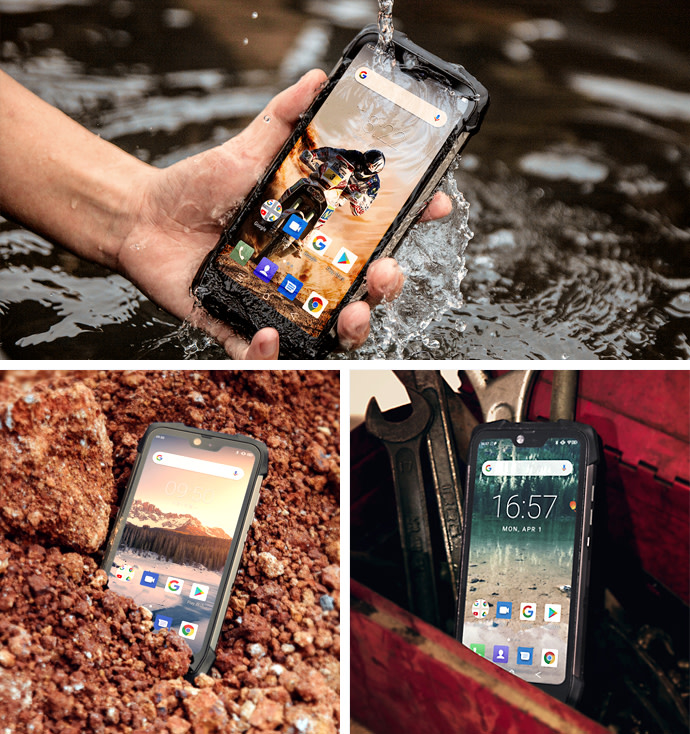
- Durability: This is the device’s ability to withstand physical stress and maintain functionality over time. It’s about resistance to drops, scratches, water, dust, and general wear and tear. A durable phone might not necessarily feel the most premium (think rugged phones), but it’s designed to survive real-world accidents.
Ideally, a high-quality smartphone excels in both areas, offering a premium feel that also stands up to daily abuse.
III. The Materials Science Behind Modern Android Phones
The choice of materials is the cornerstone of a phone’s durability and build quality. Manufacturers are constantly experimenting with new composites and alloys to strike a balance between aesthetics, weight, cost, and resilience.
A. Glass: The Double-Edged Sword
For years, glass has been the material of choice for smartphone front and back panels due to its premium feel, scratch resistance (relative to plastic), and enabling wireless charging. However, its inherent brittleness remains the Achilles’ heel of modern phones.
- Corning Gorilla Glass: The industry standard. Latest iterations like Gorilla Glass Victus, Victus 2, and now Gorilla Glass Armor (on Samsung Galaxy S24 Ultra) represent significant leaps.
- Victus & Victus 2: Focus on improved drop performance on rough surfaces (like concrete) and enhanced scratch resistance compared to older generations. Victus 2 specifically emphasized better drop performance on concrete.
- Gorilla Glass Armor: A new frontier. It boasts up to 4 times better scratch resistance than competitive aluminosilicate glasses and reduces reflections by up to 75%, significantly improving outdoor visibility. This innovation, while currently exclusive to a few flagships, sets a new benchmark for glass durability.
- Other Glass Technologies: Some manufacturers use glass from other suppliers like Schott (Xensation) or their own proprietary solutions, often with similar claims regarding scratch and drop performance.
- The "Glass Sandwich" Problem: Despite advancements, the fundamental issue remains: having glass on both the front and back means two highly vulnerable surfaces. While improved, a drop at the wrong angle can still lead to costly repairs.
B. Frames: The Backbone
The frame provides structural integrity and holds all components together.
- Aluminum: The most common material for flagship and mid-range frames. Aircraft-grade aluminum alloys (e.g., 7000 series) are strong, lightweight, and relatively cost-effective. They offer good bend resistance and are easier to machine than steel.
- Stainless Steel: Often found in premium Apple iPhones, some older Samsung flagships, and niche Android devices. Stainless steel is heavier and more expensive than aluminum but offers superior rigidity and scratch resistance, contributing to a more "solid" feel.
- Titanium: The latest trend, spearheaded by Apple and adopted by Samsung for the Galaxy S24 Ultra. Titanium offers an exceptional strength-to-weight ratio, being lighter than steel but stronger than aluminum. It’s also highly resistant to corrosion. While expensive and harder to work with, its adoption signals a new era of lighter, yet potentially more durable, flagship frames.
- Plastic/Polycarbonate: Primarily used in budget and some mid-range phones. While lacking the premium feel, modern polycarbonate can be surprisingly durable, offering good shock absorption and scratch resistance. It’s also lighter and cheaper.
C. Back Panels: Aesthetic vs. Resilience
Beyond glass, other materials are used for the rear of phones.
- Matte Glass: A popular choice for its premium feel, resistance to fingerprints, and enhanced grip compared to glossy glass.
- Ceramic: Rarely used (e.g., some premium Xiaomi models, older Samsung S10+ ceramic edition). Ceramic offers extreme scratch resistance and a unique premium feel but is heavier and more brittle than glass, making it susceptible to shattering upon impact.
- Vegan Leather/Textured Finishes: Some manufacturers use these for aesthetic appeal and enhanced grip, often applied over a plastic or glass base. While less prone to shattering, they can show wear and tear differently.
D. Emerging and Sustainable Materials
A growing trend is the incorporation of recycled materials (e.g., recycled aluminum, plastic from discarded fishing nets) into phone construction. While primarily driven by sustainability goals, it also impacts the material properties, which manufacturers carefully manage to ensure no compromise on durability.
IV. Engineering for Resilience: Key Protection Features
Beyond raw materials, clever engineering and design choices significantly contribute to a phone’s ability to survive.
A. Water and Dust Resistance (IP Ratings Explained)
The IP (Ingress Protection) rating is a critical indicator of a phone’s resistance to solids (dust) and liquids (water).
- IP67: The "6" means it’s dust-tight (no ingress of dust). The "7" means it can withstand immersion in up to 1 meter of water for 30 minutes.
- IP68: The gold standard for flagships. The "6" is dust-tight. The "8" means it can withstand immersion in more than 1 meter of water (specific depth and time determined by the manufacturer, often 1.5 meters for 30 minutes).
Important Caveats:
- IP ratings apply to freshwater and static conditions. Saltwater, chlorinated water, or high-pressure jets (like from a faucet) can still cause damage.
- The seals can degrade over time, especially after drops or impacts. An IP-rated phone is not necessarily waterproof indefinitely.
- Damage due to liquid ingress is usually not covered by warranty.
Most latest Android flagships (Samsung Galaxy S series, Google Pixel Pro series, OnePlus Pro models, Xiaomi flagships) boast IP68 ratings, offering considerable peace of mind against accidental spills or rain.
B. Drop Protection: Internal Design and Corner Reinforcement
While glass strength is vital, the phone’s internal architecture plays a huge role in dissipating impact forces.
- Reinforced Corners: Corners are often the first point of impact in a drop. Manufacturers reinforce these areas with stronger frame materials or internal bracing.
- Internal Shock Absorption: Gaps, foam, or specialized adhesives can help absorb shock before it reaches sensitive components or the display.
- Display Recess: A tiny lip around the screen, even if barely visible, can protect the display from direct impact if the phone falls face-down on a flat surface. Curved displays, while aesthetically pleasing, often offer less inherent protection in this regard.
C. Scratch Resistance: Hardness and Coatings
While glass has improved, no glass is truly "scratch-proof" against materials harder than itself (like sand, which is ubiquitous).
- Glass Hardness: Manufacturers continuously work to increase the Mohs hardness of their display glass. Gorilla Glass Armor is a significant step in this direction, claiming exceptional scratch resistance.
- Oleophobic Coatings: These thin, transparent layers reduce fingerprint smudges and make the screen feel smoother, but they wear off over time. They don’t contribute to scratch resistance directly but improve the user experience.
- Camera Lens Protection: Camera lenses often use sapphire glass or specialized hardened glass, as these are highly vulnerable and critical components.
D. Bend Resistance: Structural Integrity
The infamous "bendgate" incidents of the past highlighted the importance of a phone’s structural rigidity. Modern flagships are designed with internal bracing and stronger frame materials (like stainless steel or titanium) to resist bending, especially under pressure in a tight pocket. While extreme force can still deform any phone, casual bending is largely a non-issue for most premium Android devices today.
E. Specialized Components: Ports and Buttons
Even small components contribute to overall durability.
- USB-C Ports: These are designed for numerous insertions, but wear and tear can occur over years, leading to loose connections or charging issues. IP-rated phones often have internal seals around the port.
- Buttons: Power and volume buttons are often made of metal (matching the frame) and are designed for millions of clicks. Tactile feedback and longevity are key indicators of quality.
V. A Look at Latest Android Flagships: Trends and Examples
Let’s examine how these principles manifest in some of the most prominent recent Android phone releases.
A. Samsung Galaxy Series (S-series, Foldables)
Samsung has consistently pushed the envelope in both design and durability.
- Galaxy S-series (e.g., S24 Ultra, S24, S24+):
- S24 Ultra: Represents the pinnacle of Samsung’s current durability efforts. It features a titanium frame and, critically, Corning Gorilla Glass Armor on the display and Gorilla Glass Victus 2 on the back. This combination aims for unprecedented scratch resistance and improved drop performance. The flat display, a departure from previous Ultra models, also inherently offers more protection against side impacts compared to curved screens.
- S24 & S24+: Utilize an Armor Aluminum frame and Gorilla Glass Victus 2 on both front and back. These are still incredibly robust devices, benefiting from Samsung’s extensive experience with glass sandwich designs.
- Overall: All S24 models are IP68 rated. Samsung’s build quality is consistently excellent, with tight tolerances and a premium feel.
- Galaxy Z Fold/Flip Series (e.g., Z Fold5, Z Flip5): These represent the cutting edge of form factor innovation but introduce unique durability challenges.
- Hinge: The hinge is the most complex and critical component. Samsung has refined its "Flex Hinge" over generations, making it more compact and robust. It’s designed to withstand hundreds of thousands of folds. However, it remains a potential point of failure if exposed to excessive force or debris.
- Inner Display: The ultra-thin glass (UTG) on the inner foldable display is still significantly softer and more susceptible to scratches and indentations than conventional smartphone glass. While improved, users are advised to be cautious and avoid pressing hard objects onto the screen.
- Water Resistance: The Z Fold5 and Z Flip5 are IPX8 rated, meaning they can withstand water immersion (the "X" indicates no official dust resistance rating, though practical tests show decent resistance). This is a remarkable engineering feat for a foldable device.
- Overall: Foldables are more fragile than traditional slab phones, but Samsung has made incredible strides in making them viable for daily use. Their unique design demands a higher degree of user care.
B. Google Pixel Series (e.g., Pixel 8 Pro, Pixel 8)
Google’s Pixel phones are known for their software prowess, but their hardware has also matured significantly.
- Pixel 8 Pro: Features a polished aluminum frame (often recycled) and Gorilla Glass Victus 2 on both the front and back. It boasts an IP68 rating. The build quality is solid, feeling substantial and well-assembled. Google often opts for slightly more conservative designs, which can sometimes lend themselves to better everyday durability.
- Pixel 8: Uses a matte aluminum frame and Gorilla Glass Victus on the front and back, also with an IP68 rating. It’s a compact and well-built device.
- Overall: Pixel phones consistently offer good, reliable build quality. While perhaps not always pushing the absolute boundaries of exotic materials (like titanium), they deliver a very competent and durable package for their price point, focusing on practical resilience.
C. OnePlus and Other Chinese Flagships (Xiaomi, Oppo, Vivo)
These brands are fiercely competitive, often pushing high-end specs and premium materials to challenge established players.
- OnePlus (e.g., OnePlus 12): Often uses aluminum frames and Gorilla Glass Victus 2 on both sides. They typically feature excellent fit and finish, with a premium in-hand feel and an IP65 or IP68 rating (depending on the region and model). OnePlus has matured from its "flagship killer" days into a serious contender for premium build quality.
- Xiaomi (e.g., Xiaomi 14 Ultra): Known for its "Ultra" models pushing the boundaries. The Xiaomi 14 Ultra, for instance, features a high-strength aluminum frame, a "Xiaomi Shield Glass" (proprietary glass similar to Victus 2) display, and a unique "vegan leather" back or ceramic options. It boasts an IP68 rating. Xiaomi often incorporates advanced cooling systems, which, while not directly physical durability, contribute to component longevity.
- Oppo/Vivo (e.g., Oppo Find X7 Ultra): These brands also consistently deliver flagship-level build quality with premium materials (aluminum, glass, sometimes ceramic or vegan leather backs) and IP68 ratings. They often innovate with camera modules, which can sometimes lead to larger, more prominent (and thus potentially more vulnerable) camera bumps.
D. The Unique Challenge of Foldable Phones (Beyond Samsung)
As more manufacturers enter the foldable space (e.g., OnePlus Open, Google Pixel Fold, Xiaomi Mix Fold), they face similar durability hurdles:
- Hinge Design: Each brand develops its own hinge mechanism, with varying levels of robustness and debris resistance. Some aim for a completely gap-less fold, which can reduce dust ingress but put more strain on the inner screen.
- Inner Display Protection: All foldables still use a form of ultra-thin glass (UTG) or a protective plastic layer over the main foldable screen, making them inherently softer than traditional displays. This is the main vulnerability.
- Outer Display: Typically uses conventional hardened glass (Gorilla Glass Victus/Victus 2) and is as durable as a standard smartphone screen.
- Overall: While foldable technology is advancing rapidly, they are still a generation or two away from matching the sheer physical resilience of non-folding flagships, particularly concerning the inner display. User care remains paramount.
VI. The Unspoken Trade-offs
Durability and build quality don’t exist in a vacuum. Manufacturers constantly make compromises.
- Durability vs. Aesthetics & Ergonomics: Thinner phones with curved glass edges might look stunning, but they can be more fragile and harder to grip. A flat display with a slight bezel might be more durable but less "bezel-less" visually.
- Durability vs. Repairability: Many modern phones are glued shut and use proprietary screws, making them incredibly difficult and expensive to repair. This is a significant factor in a phone’s true longevity.
- Durability vs. Cost & Weight: Using titanium or sapphire glass adds significant cost and can increase weight (though titanium helps balance this). Budget phones often use plastic, sacrificing premium feel for affordability and decent practical durability.
VII. The Role of Repairability in Longevity
While not strictly "durability," a phone’s repairability profoundly impacts its lifespan. The "Right to Repair" movement advocates for easier access to parts, tools, and repair manuals.
- Manufacturer Initiatives: Some companies, like Samsung and Google, have started offering genuine parts and guides through partnerships (e.g., iFixit), making self-repair or third-party repair more feasible. This is a positive step.
- Reality: Most Android flagships remain challenging to repair. Glued-in batteries, complex internal layouts, and proprietary components make many repairs cost-prohibitive or impossible for the average user, leading to premature device replacement even for minor issues.
- Fairphone: While not a mainstream Android flagship, Fairphone stands as the gold standard for repairability, demonstrating that highly modular, user-repairable phones are possible. This model challenges the industry to rethink planned obsolescence.
VIII. User Responsibility and Aftermarket Solutions
Even the most durable phone can succumb to a severe drop or impact. This is where user responsibility and aftermarket protection come in.
- The Indispensable Case: A good case is the most effective and affordable way to protect your phone.
- Material: Silicone, TPU, polycarbonate, and combinations offer varying levels of shock absorption and grip.
- Design: Raised bezels around the screen and camera bump are crucial for protecting these vulnerable areas.
- Rugged Cases: Brands like Spigen, OtterBox, and UAG offer multi-layered protection for those who need extreme durability.
- Screen Protectors:
- Tempered Glass: Offers excellent scratch resistance and can absorb impact, often sacrificing itself to save the actual display.
- Film Protectors: Good for scratch protection but offer minimal impact resistance.
- Liquid Screen Protectors: Primarily for minor scratch resistance, not impact.
- Insurance and Warranties: Consider extended warranties or phone insurance, especially for high-end flagships or foldables, given the high cost of repairs.
IX. Conclusion: Balancing Innovation and Resilience
The latest Android phones represent a fascinating paradox: they are more powerful, more beautiful, and in many ways, more resilient than ever before, yet they remain inherently fragile given their glass-heavy designs and complex internals.
Manufacturers are making commendable strides. Innovations like Gorilla Glass Armor, titanium frames, and increasingly robust foldable hinges demonstrate a commitment to improving physical durability. IP68 ratings are now standard for flagships, offering excellent protection against the elements. The overall build quality of premium Android devices is generally excellent, characterized by tight tolerances, premium materials, and a solid feel.
However, the pursuit of ever-thinner profiles, larger screens, and complex form factors ensures that accidental damage remains a significant risk. The trade-offs between aesthetics, cost, and extreme durability are constant. Furthermore, while repairability is slowly improving, it still has a long way to go to truly extend the lifespan of these devices.
For the consumer, an informed choice is key. While the latest Android flagships offer impressive durability for their class, they are not indestructible. Investing in a good case and screen protector, and exercising common sense in handling, remains the best defense against unforeseen accidents. As technology evolves, the hope is that future Android phones will continue to blend cutting-edge innovation with even greater resilience and a stronger commitment to sustainable, repairable designs, ensuring our indispensable companions can truly stand the test of time.