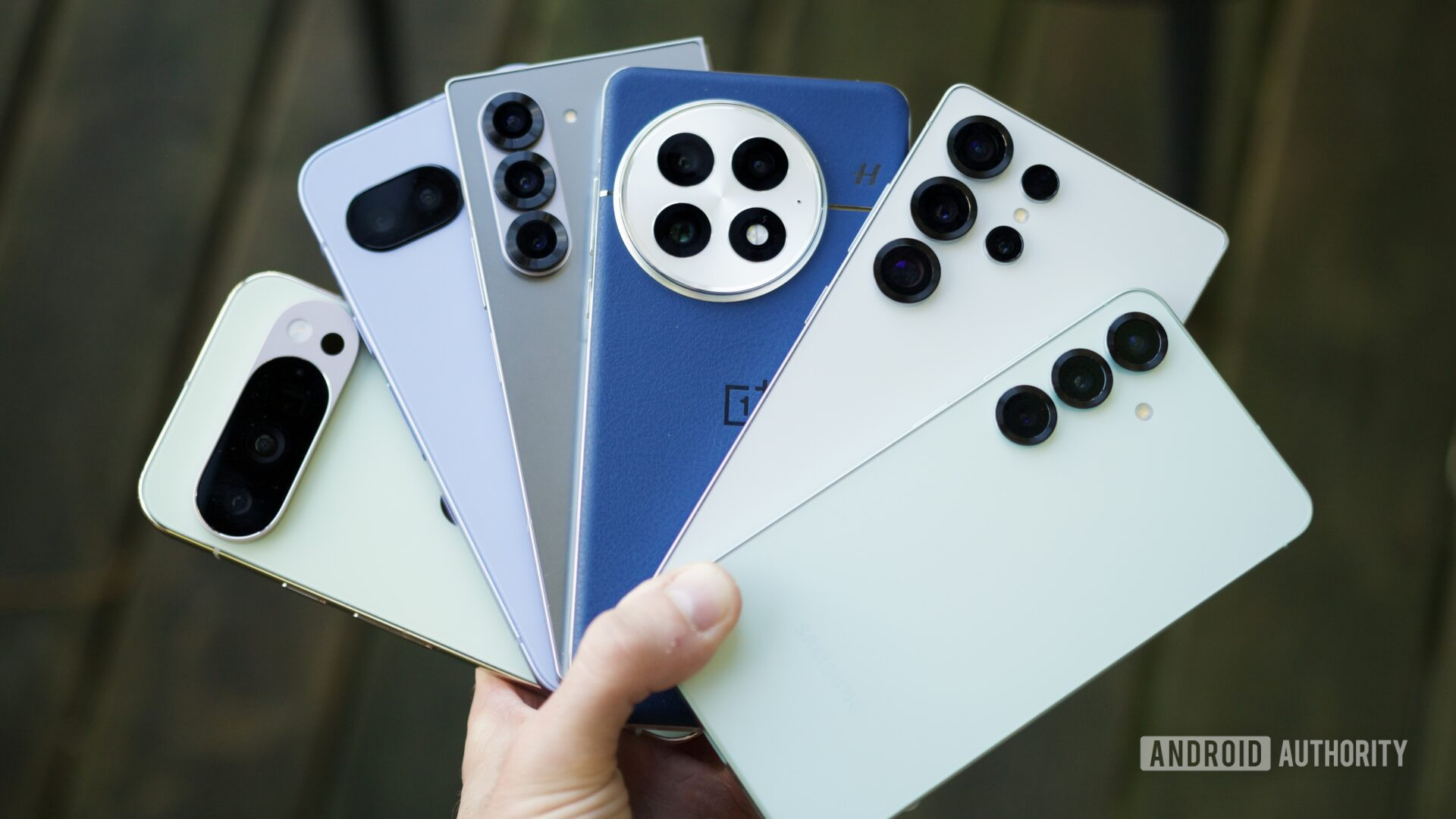

The Ultimate Mobile Studio: Best Android Phones for Content Creators in 2025
The digital landscape has undergone a seismic shift, transforming everyone with a smartphone into a potential content creator. From short-form viral videos on TikTok and Reels to cinematic vlogs on YouTube, high-quality content is no longer exclusive to professional studios. By 2025, the capabilities of Android smartphones will have evolved to a point where they are not just tools, but entire mobile production houses, empowering creators to capture, edit, and publish stunning content with unprecedented ease and quality.
This article delves into what makes an Android phone the best companion for content creators in 2025, exploring the critical features, anticipated technological advancements, and highlighting the top contenders expected to dominate this niche. We’ll project the evolution of hardware and software, offering a comprehensive guide for anyone looking to future-proof their mobile creative workflow.
What Content Creators REALLY Need: Core Criteria for 2025
Before diving into specific models, it’s crucial to define the core requirements that content creators will demand from their Android devices in 2025. These needs go beyond casual photography and everyday usage, touching on aspects vital for professional-grade output.
-
Revolutionary Camera System:
- Sensor Size & Resolution: Expect primary sensors approaching or exceeding 1-inch, coupled with resolutions of 50MP to 200MP, utilizing pixel-binning for exceptional low-light performance and detail.
- Variable Aperture: The return and refinement of variable aperture lenses, allowing creators more control over depth of field and exposure in various lighting conditions, mimicking professional DSLR/mirrorless lenses.
- Advanced Optical Zoom: Periscope telephoto lenses with true optical zoom capabilities (10x-20x) will be standard, complemented by sophisticated computational zoom for even greater reach without significant quality loss.
- Ultra-Wide Lens with Autofocus & Macro: High-resolution ultra-wide lenses (12MP-50MP) with autofocus for versatile shots and dedicated macro capabilities for intricate detail.
- Video Capabilities: 8K video recording at 60fps will be common, with 4K recording at 120fps or even 240fps for stunning slow-motion. Professional video features like Log profiles (for color grading flexibility), 10-bit or 12-bit HDR recording, advanced digital and optical image stabilization (OIS+EIS), and real-time subject tracking will be paramount.
- Computational Photography 3.0: AI will be deeply integrated, not just for scene recognition but for intelligent noise reduction, dynamic range optimization, sophisticated portrait modes with accurate depth mapping, and even AI-assisted framing and composition suggestions.
- Front Camera: High-resolution (32MP-60MP) front cameras with autofocus, 4K 60fps video recording, and excellent low-light performance for vlogging and live streaming.
-
Unrivaled Performance:
- Next-Gen Processors: The Snapdragon 8 Gen 5 (or equivalent from MediaTek/Google Tensor) will deliver desktop-level performance, crucial for demanding video editing, multi-layer photo manipulation, and running complex AI algorithms in real-time.
- Abundant RAM: A minimum of 16GB, with 24GB becoming increasingly common, ensuring seamless multitasking, rapid app switching, and smooth handling of large media files.
- Ultra-Fast Storage: UFS 4.0 or even UFS 5.0 will provide blistering read/write speeds, accelerating file transfers, app loading, and video rendering.
-
Enduring Battery Life & Rapid Charging:
- High Capacity: Batteries in the 5000mAh to 6000mAh range will be essential to sustain long shooting sessions and intensive editing.
- Blazing Fast Charging: 100W+ wired charging will be standard, topping up devices in mere minutes. Advanced wireless charging (50W+) and reverse wireless charging will offer convenience.
-
Immersive Display Quality:
- Panel Technology: LTPO AMOLED panels with dynamic refresh rates (1Hz-120Hz or higher) will offer buttery-smooth scrolling and power efficiency.
- Brightness & Color Accuracy: Peak brightness exceeding 2000 nits for outdoor visibility, coupled with perfect color calibration (Delta E < 1) and full DCI-P3 coverage for accurate content representation.
- Resolution: QHD+ or even 4K resolution on larger displays will provide incredible detail for editing.
- Under-Display Cameras (UDC): Mature UDC technology will offer an uninterrupted viewing experience, crucial for reviewing content without punch-holes or notches.
-
Ample Storage:
- Internal Storage: A minimum of 256GB, with 512GB and 1TB options becoming mainstream, given the large file sizes of 8K video and high-resolution photos.
- MicroSD Expansion (Bonus): While less common, the return or inclusion of microSD card slots would be a significant advantage for creators needing limitless storage flexibility.
-
Superior Audio Capabilities:
- High-Quality Microphones: Multiple high-fidelity microphones with advanced noise cancellation for clear audio recording, even in challenging environments.
- Stereo Speakers: Loud, balanced stereo speakers for accurate audio monitoring during editing.
- USB-C Audio Output: High-resolution audio output via USB-C for connecting external microphones and headphones.
-
Robust Connectivity:
- 5G & Wi-Fi 7: Next-gen cellular (5G mmWave and sub-6GHz) and Wi-Fi 7 will ensure ultra-fast uploads, downloads, and seamless cloud synchronization.
- Bluetooth 5.3/5.4: Low-latency connectivity for external microphones, headphones, and other accessories.
-
Software & Ecosystem Optimization:
- Pro-Level Editing Apps: The availability and optimization of powerful mobile editing suites like CapCut Pro, DaVinci Resolve Mobile, LumaFusion (expected on Android), and Adobe Premiere Rush.
- Operating System: Android 15/16 will offer enhanced privacy controls, improved multitasking, and deeper integration with AI tools.
- Stylus Support: Integrated stylus (like Samsung’s S Pen) for precise editing, drawing, and annotation.
-
Durability & Ergonomics:
- Build Quality: Premium materials (aluminum, advanced glass) with IP68 water and dust resistance.
- Ergonomics: Comfortable design for extended holding, perhaps with textured finishes for better grip.
- Accessory Ecosystem: Strong support for external accessories like gimbals, external microphones, lenses, and tripods.
Anticipated Tech Trends Shaping 2025 Flagships
The leap from 2024 to 2025 will be marked by several key technological accelerations:
- Pervasive AI: Beyond computational photography, AI will assist in video editing (auto-cutting, intelligent transitions, transcription), content generation (scriptwriting prompts, image generation), and workflow optimization.
- Sensor Fusion: Phones will increasingly combine data from multiple sensors (main, ultrawide, telephoto, LiDAR, depth) to create more accurate and detailed representations of the scene, enhancing AR capabilities and 3D mapping.
- Solid-State Batteries: While still nascent, advancements in solid-state battery technology could lead to significantly higher energy density, translating to smaller batteries with longer life or even slimmer phone designs.
- Under-Display Camera Maturation: UDC technology will be virtually indistinguishable from a standard display, offering improved image quality and making the notch/punch-hole a relic of the past.
- Foldables for Productivity: Foldable phones will mature, offering larger internal displays that are perfect for multi-window editing and viewing, with improved hinge durability and crease reduction.
- Advanced Haptics: More nuanced and precise haptic feedback will enhance the user experience, providing tactile cues for editing precision.
Top Contenders: Best Android Phones for Content Creators in 2025 (Anticipated Models)
Based on current trajectories and expected innovations, here are the Android phones poised to be the best for content creators in 2025:
1. Samsung Galaxy S25 Ultra (The "Do-It-All" Champion)
Samsung’s Ultra series consistently pushes the boundaries, and the S25 Ultra in 2025 is expected to be the quintessential mobile studio.
- Camera System: Samsung will likely continue its megapixel race, perhaps featuring a 200MP or even 300MP primary sensor with advanced pixel-binning. Expect a refined 1-inch-class sensor, pushing variable aperture technology for greater creative control. Its dual-telephoto setup will be unparalleled, offering a range of optical zooms (e.g., 3x, 10x, and perhaps a new 5x or 7x module). Video capabilities will include 8K 60fps with exceptional stabilization, 12-bit HDR, and potentially RAW video recording options. AI-powered scene optimization and subject tracking will be industry-leading. The front camera will undoubtedly be a high-resolution, autofocus beast, ideal for vlogging.
- Performance: Powered by the custom-tuned Snapdragon 8 Gen 5 for Galaxy, coupled with 16GB or 24GB of RAM and UFS 5.0 storage, the S25 Ultra will handle any editing task with ease.
- Display: A stunning 6.9-inch or 7.0-inch QHD+ LTPO AMOLED display with 2500+ nits peak brightness, perfect color accuracy, and likely an advanced, near-invisible Under-Display Camera.
- S Pen Integration: The integrated S Pen remains a unique selling point, offering unparalleled precision for photo retouching, video timeline adjustments, and graphic design directly on the phone. This alone makes it invaluable for many creators.
- Battery & Charging: A 5000mAh+ battery with 120W wired charging and 60W wireless charging will ensure creators stay powered throughout the day.
- Ecosystem: Samsung’s DeX mode will be further refined, allowing creators to connect to an external monitor for a desktop-like editing experience, utilizing a full keyboard and mouse.
Why it’s for creators: Its sheer versatility, professional-grade camera hardware, S Pen precision, and robust performance make it an all-rounder for every type of content creator, from photographers to videographers and graphic designers.
2. Google Pixel 10 Pro (The "Computational Photography Wizard")
Google’s Pixel series shines through its unparalleled computational photography and video capabilities, driven by its custom Tensor chips. The Pixel 10 Pro will take this to new heights.
- Camera System: While Google might not chase megapixels as aggressively as Samsung, the Pixel 10 Pro will likely feature larger, highly optimized sensors (e.g., a custom 50MP 1/1.12-inch main sensor). Its strength lies in its Tensor G5 chip’s AI and machine learning prowess. Expect even more magical "Magic Editor" capabilities, advanced real-time video stabilization (beyond cinematic pan), improved low-light video performance, and perhaps even AI-generated background replacement in real-time for video calls or vlogs. Audio processing for video will be exceptional, with advanced noise reduction.
- Performance: The Tensor G5 will be specifically designed for on-device AI processing, accelerating tasks like image and video analysis, rendering, and complex editing effects. Expect 16GB of RAM as standard.
- Display: A vibrant 6.7-inch QHD+ LTPO AMOLED display, calibrated for extreme color accuracy, crucial for color grading.
- Software Integration: Android 16 on the Pixel 10 Pro will offer exclusive AI-powered editing tools and workflow enhancements directly within the OS and Google Photos app, making professional-grade adjustments accessible to everyone.
- Battery & Charging: Expect a competitive battery size (5000mAh+) and improved fast charging, though perhaps not reaching the extreme speeds of some competitors.
Why it’s for creators: Ideal for creators who prioritize ease of use, exceptional image quality with minimal effort, and cutting-edge AI features that automate and enhance the creative process. Its video capabilities, especially in stabilization and low-light, will be formidable.
3. Xiaomi 15 Ultra / OnePlus 13 Pro (The "Performance Beasts with Aggressive Camera Tech")
Brands like Xiaomi, OnePlus, Oppo, and Vivo are known for pushing raw specifications and aggressive innovation, particularly in camera hardware and charging speeds. Their 2025 flagships will be serious contenders.
- Camera System: Expect these brands to lead with the largest sensors (e.g., 1-inch or even larger, like a 1/0.98-inch primary sensor), potentially even experimenting with multi-sensor primary cameras for different focal lengths. Leica (Xiaomi) or Hasselblad (OnePlus) collaborations will continue to refine color science and professional modes. Variable aperture, advanced liquid lenses for faster focusing, and groundbreaking optical stabilization systems will be key features. Video will include 8K 60fps, 4K 120fps, and dedicated video co-processors for enhanced processing of high-bitrate footage.
- Performance: They will undoubtedly feature the Snapdragon 8 Gen 5 (or equivalent) with 16GB or 24GB of RAM and the fastest available UFS storage, ensuring zero lag.
- Charging: These phones will set new benchmarks for charging speed, with 150W+ wired charging becoming standard, potentially topping up the phone in under 10 minutes.
- Display: High-resolution (QHD+) LTPO AMOLED displays with industry-leading brightness and color accuracy, often pushing refresh rates beyond 120Hz for incredibly smooth visuals.
- Customization: Their respective Android skins (MIUI, OxygenOS) often offer deep customization options, which can be beneficial for tailoring the workflow.
Why it’s for creators: For creators who demand the absolute peak of hardware specifications, particularly in camera sensor size, raw processing power, and blistering fast charging. They are often at the forefront of introducing new camera technologies.
4. The Foldable Revolution: Samsung Galaxy Z Fold 7 / Google Pixel Fold 3 (The "Mobile Editing Suite")
While not traditionally camera-focused, foldable phones will become increasingly viable for creators in 2025, offering a unique advantage: a large internal display for editing.
- Camera System: While still slightly behind their non-foldable counterparts, the camera systems on foldables will catch up significantly. Expect flagship-level sensors, OIS, and advanced computational photography, making them capable primary cameras. The unique form factor also allows for creative shooting angles and using the main camera for high-quality selfies/vlogging.
- Performance: Top-tier processors (Snapdragon 8 Gen 5 or Tensor G5) and ample RAM will ensure smooth editing on the larger screen.
- Display: The main draw is the large internal foldable display (e.g., 7.6-inch to 8.0-inch). This provides a tablet-like canvas for multi-window editing, precise timeline adjustments, and immersive content review, making it a true mobile editing suite. The outer display will also be high-quality for quick tasks.
- S Pen/Stylus Support: Foldables like the Z Fold 7 will continue to offer stylus support, turning the large internal screen into a powerful creative canvas.
Why it’s for creators: Ideal for creators who value a large, portable screen for on-the-go editing, content review, and multitasking. The unique form factor offers new creative possibilities for shooting and viewing.
The Android Ecosystem Advantage
Beyond individual phone capabilities, Android’s open nature fosters a rich ecosystem vital for content creators:
- App Diversity: The Google Play Store offers an unparalleled range of editing apps, from powerful professional tools like CapCut Pro, DaVinci Resolve Mobile (expected to be more robust on Android), and potentially LumaFusion, to specialized apps for specific niches (e.g., drone control apps, advanced manual camera apps).
- Hardware Compatibility: Android’s open standards mean wider compatibility with external accessories. Creators can easily connect:
- External Microphones: USB-C lavalier mics, shotgun mics, and wireless systems (e.g., Rode Wireless Go, DJI Mic) for superior audio.
- Gimbals: DJI Osmo Mobile, Zhiyun Smooth series for buttery-smooth video.
- External Lenses: Moment lenses, Beastgrip lenses for wider angles, telephoto, or macro shots.
- External Monitors: USB-C monitors for a larger, more accurate viewing experience during shoots or editing.
- SSD Drives: Direct connection to external SSDs for offloading large files quickly.
- Cloud Integration: Seamless integration with Google Drive, Dropbox, and other cloud services for backup, collaboration, and sharing.
Choosing the Right Phone for YOU in 2025
While the aforementioned phones will be top-tier, the "best" phone ultimately depends on your specific creative workflow and priorities:
- The Mobile Filmmaker/Vlogger: Prioritize exceptional video capabilities (8K 60fps, Log profiles, advanced stabilization), outstanding audio recording, and long battery life. The Samsung Galaxy S25 Ultra or Google Pixel 10 Pro will be strong contenders.
- The Professional Mobile Photographer: Focus on sensor size, variable aperture, optical zoom range, and computational photography prowess. The Samsung Galaxy S25 Ultra or Xiaomi 15 Ultra will likely lead here.
- The On-the-Go Editor/Multitasker: A large, high-resolution display, powerful processor, abundant RAM, and stylus support are key. A foldable like the Galaxy Z Fold 7 or a robust slab phone like the S25 Ultra would be ideal.
- The Social Media Power User (Short-Form Video): Excellent front and rear cameras, robust AI features for quick editing, and fast sharing capabilities are crucial. The Google Pixel 10 Pro’s ease of use and AI magic might shine here.
- The Budget-Conscious Creator (Mid-Range Flagship Killers): While this article focuses on the absolute best, keep an eye on "flagship killer" models from brands like OnePlus (non-Pro), Realme, or even older generation flagships. By 2025, their camera and performance will be incredibly strong for their price point.
Conclusion: The Future is Mobile, The Future is Android
By 2025, Android smartphones will transcend their role as mere communication devices to become indispensable, fully-fledged mobile production studios. The convergence of revolutionary camera hardware, hyper-intelligent AI, desktop-grade processing power, and a thriving ecosystem of apps and accessories will empower content creators like never before.
The battle for supremacy will be fierce, with Samsung continuing its reign of versatility, Google perfecting its AI-driven magic, and Chinese manufacturers pushing the boundaries of raw specifications. Regardless of the specific model, content creators in 2025 will have access to tools that can truly democratize high-quality content creation, allowing them to capture their vision, tell their stories, and connect with audiences globally, all from the palm of their hand. The ultimate mobile studio isn’t a dream for 2025; it’s a tangible reality waiting to be embraced.