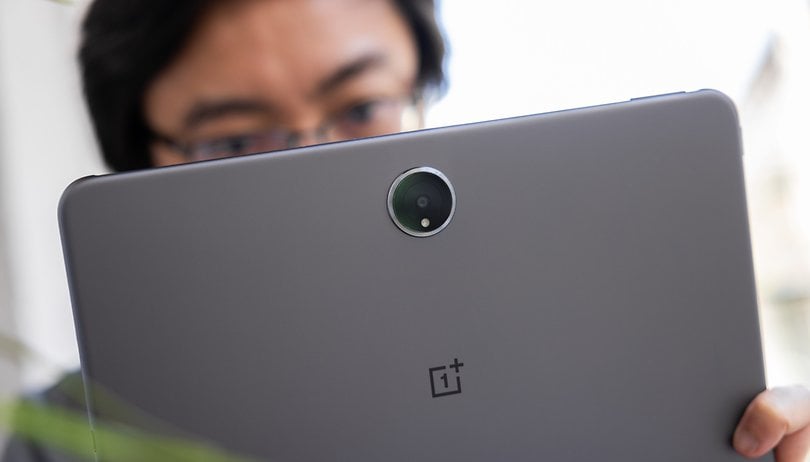

The Ultimate Showdown: Deconstructing New Android Flagship Camera Quality in 2024
In the relentless march of smartphone innovation, few battlegrounds are as fiercely contested as the camera. What began as a simple lens attached to a phone has blossomed into a sophisticated ecosystem of multi-lens arrays, computational photography algorithms, and AI-driven enhancements. For Android flagships, the camera is not just a feature; it’s a defining characteristic, a primary selling point, and often the most significant differentiator in a crowded market.
Every year, new titans emerge, promising unparalleled image quality, breathtaking versatility, and the ability to transform everyday moments into photographic masterpieces. But how do these claims stand up to rigorous testing? This article delves deep into the intricate world of new Android flagship camera quality tests, dissecting the methodologies, the critical parameters, and the nuanced factors that truly separate the good from the groundbreaking.
The Evolution: From Megapixels to Computational Mastery
Before we dive into the testing specifics, it’s crucial to understand the journey. Early smartphone cameras were defined by their megapixel count – a simplistic metric that often masked poor sensor quality and rudimentary software. The industry soon realized that more pixels didn’t necessarily mean better photos. Instead, focus shifted to larger sensors, wider apertures, optical image stabilization (OIS), and eventually, the revolutionary advent of computational photography.
Today, an Android flagship camera is no longer a single entity but a symphony of hardware and software. High-resolution main sensors (often 50MP, 108MP, or even 200MP) are frequently accompanied by ultrawide lenses, dedicated telephoto or periscope zoom lenses, and sometimes macro or depth sensors. These hardware components are merely the canvas; the true artistry lies in the Image Signal Processor (ISP) and the complex algorithms that stitch multiple exposures, enhance dynamic range, reduce noise, correct distortion, and even intelligently identify subjects for optimal processing. AI and machine learning play an increasingly vital role, predicting optimal settings, recognizing scenes, and refining image aesthetics to an unprecedented degree.
Establishing the Testing Methodology: More Than Just Point and Shoot
Evaluating camera quality is an inherently complex task, balancing objective measurements with subjective user experience. A comprehensive test goes far beyond simply snapping a few photos. It requires a structured approach that simulates various real-world scenarios while also isolating specific performance aspects.
Key Principles of a Robust Camera Test:
- Controlled Environments: To measure technical aspects like sharpness, noise, and color accuracy, controlled lab settings with specific lighting conditions, test charts (e.g., ISO 12233 resolution charts, X-Rite ColorChecker), and repeatable setups are essential.
- Real-World Scenarios: The lab tells only half the story. Phones are used in diverse, unpredictable environments. Testing must include:
- Daylight: Bright sun, overcast skies, mixed lighting.
- Low Light/Night: Dimly lit rooms, street scenes at night, extreme darkness.
- Portraits: Various subjects, different lighting, challenging backgrounds.
- Action/Motion: Moving subjects, sports.
- Landscapes & Architecture: Wide dynamic range, fine detail.
- Macro/Close-ups: Textures, small objects.
- Side-by-Side Comparisons: The true strength of a flagship is often revealed in comparison to its direct competitors. This involves capturing identical scenes simultaneously with multiple devices.
- Consistency and Reliability: A great photo once in a while isn’t enough. A flagship camera must consistently deliver excellent results across various conditions and multiple attempts.
- User Experience: Beyond raw image quality, the camera app’s speed, responsiveness, feature set, and ease of use are critical.
Deconstructing Image Quality: The Critical Parameters
Now, let’s break down the specific elements that are meticulously scrutinized during a flagship camera test.
1. Daylight Performance: The Baseline of Excellence
This is where all flagships are expected to excel, but subtle differences emerge:
- Detail and Sharpness: How well does the camera resolve fine textures (e.g., leaves on a tree, bricks on a wall)? Is the sharpness natural or over-processed (over-sharpened)? This is often tested using resolution charts and examining high-frequency details.
- Dynamic Range: The ability to capture detail in both the brightest highlights (e.g., a bright sky) and the darkest shadows (e.g., under a bush) simultaneously. High dynamic range (HDR) processing is key here, and testers look for natural transitions without "crushed" blacks or "blown out" whites.
- Color Accuracy and Saturation: Are the colors true to life, vibrant without being oversaturated, and consistent across different scenes? Different manufacturers have distinct "color science" – some prefer a more natural look (e.g., Pixel), while others lean towards punchier, more vivid tones (e.g., Samsung). White balance accuracy is also crucial, ensuring neutral tones regardless of light source.
- Contrast: The difference between light and dark areas. Good contrast adds depth and dimensionality to an image without obscuring details.
2. Low-Light and Night Photography: The True Test
This is arguably the most challenging environment for any camera and a key battleground for flagships.
- Noise Reduction: How effectively does the camera reduce visual grain (noise) without smudging fine details? Aggressive noise reduction can lead to a "painterly" or artificial look.
- Detail Retention: Can the camera still capture discernible details in dimly lit scenes, or do they get lost in the noise and processing?
- Light Gathering Ability: How much ambient light can the sensor and lens capture? Larger sensors and wider apertures excel here.
- Color Accuracy in Low Light: Can the camera maintain accurate colors, or do images suffer from color shifts or a monochrome appearance?
- Night Mode Effectiveness: Most flagships now have dedicated "Night Mode" or "Night Sight" which uses computational photography (multiple exposures, stacking, AI enhancement) to brighten scenes and reduce noise. Testers evaluate:
- Speed: How long does it take to capture and process a night mode shot?
- Results: Does it produce a bright, clean, and detailed image, or does it look artificial?
- Consistency: How often does it succeed in different challenging low-light scenarios?
3. Zoom Capabilities: Getting Closer to the Action
Telephoto lenses, especially periscope designs, have become a hallmark of flagship Android phones.
- Optical Zoom Quality: Cameras with true optical zoom (e.g., 3x, 5x, 10x) offer superior quality as they use physical lens movement. Testers evaluate sharpness, detail, and noise at native optical zoom levels.
- Hybrid/Digital Zoom Quality: Beyond optical limits, phones use computational techniques (cropping, upscaling, AI enhancement) to extend zoom. Testers push these limits to see how usable the images are at 10x, 30x, 100x, etc., looking for detail retention, artifacts, and overall image integrity.
- Consistency Across Zoom Ranges: Ideally, the image quality should degrade gracefully, and colors/white balance should remain consistent as you zoom in.
4. Ultrawide Angle Lens: Expanding the Perspective
The ultrawide lens offers a dramatic perspective but comes with its own challenges.
- Distortion Correction: Wide-angle lenses naturally introduce barrel distortion (curved lines at the edges). Flagships use software correction, and testers evaluate how effectively this is done without sacrificing too much detail.
- Edge Sharpness: Often, the edges of ultrawide shots are softer than the center. Testers look for acceptable sharpness across the frame.
- Color and Exposure Matching: Ideally, the ultrawide lens should produce colors and exposure that are consistent with the main camera.
5. Portrait Mode and Bokeh: The Art of Subject Isolation
Portrait mode uses depth information (from a dedicated sensor or computational algorithms) to separate the subject from the background and apply a pleasing blur (bokeh).
- Edge Detection: The most critical aspect. How accurately does the camera identify the subject’s outline, especially around intricate details like hair, glasses, or complex backgrounds? Testers use challenging subjects.
- Quality of Bokeh: Is the background blur natural and aesthetically pleasing, or does it look artificial, like a cutout? Does it exhibit "onion ring" effects or harsh transitions?
- Flexibility: Can the user adjust the blur intensity after the shot? Are there different lighting effects?
6. Video Recording: Beyond Still Images
Video capabilities are increasingly important, especially with the rise of social media and content creation.
- Resolution and Frame Rates: 4K at 60fps is standard; 8K recording is available on some. Testers evaluate the actual detail and smoothness at these settings.
- Stabilization (OIS + EIS): Optical Image Stabilization (OIS) physically moves the lens, while Electronic Image Stabilization (EIS) uses software cropping. Flagships combine these for "super steady" modes. Testers walk, run, and pan to evaluate smoothness.
- Dynamic Range in Video: Can the camera handle high-contrast video scenes without blowing out highlights or crushing shadows?
- Low-Light Video: A significant challenge. Testers look for noise levels, detail, and color accuracy in dim video.
- Audio Quality: Often overlooked, but crucial. Testers check for clear, crisp audio capture with minimal background noise.
- Features: Cinematic modes, pro video controls, subject tracking, HDR video recording (e.g., HDR10+, Dolby Vision).
7. Front Camera (Selfie Camera): Personal Perspective
The front camera, once an afterthought, is now critical for video calls and selfies.
- Image Quality: Similar to the main camera, testers evaluate detail, dynamic range, and color accuracy.
- Portrait Mode: How well does the front camera handle subject isolation and bokeh for selfies?
- Video Quality: For video calls, front camera video quality and stabilization are important.
The Role of Software and User Experience
Even the best hardware can be hampered by poor software.
- Camera App Interface: Is it intuitive, fast, and easy to navigate? Are essential controls readily accessible?
- Shutter Lag and Focus Speed: A fast and accurate autofocus system (e.g., Dual Pixel AF, Laser AF, PDAF) and minimal shutter lag are crucial for capturing fleeting moments.
- Processing Speed: How quickly does the camera process complex computational photos (e.g., Night Mode, HDR)?
- Special Modes: Are there useful and well-implemented modes like Pro mode, macro mode, panorama, time-lapse, slow-motion, etc.?
The Current Landscape: A Glimpse at the Contenders
While this article avoids naming specific models to remain evergreen, typical strengths can be attributed to certain flagship archetypes:
- The Computational King (e.g., Google Pixel Pro series): Often prioritizes consistent, natural-looking images across a wide range of conditions, excelling particularly in dynamic range and low-light performance through sophisticated software algorithms. Their "point-and-shoot" simplicity often yields stunning results.
- The Versatile Powerhouse (e.g., Samsung Galaxy S Ultra series): Known for pushing hardware boundaries with massive sensors, multiple telephoto lenses (including periscope zoom), and a rich feature set. They aim for maximum versatility, offering impressive zoom capabilities and vibrant, punchy colors that appeal to many.
- The Hardware Innovator (e.g., Xiaomi, Oppo, Vivo flagships): Frequently experiment with cutting-edge sensor technology, unique lens designs, and often collaborate with established camera brands (e.g., Leica, Hasselblad, Zeiss). They often deliver raw detail and impressive low-light performance, sometimes with a more "pro" leaning.
- The Balanced Performer (e.g., OnePlus, sometimes specific Xiaomi/Oppo non-Ultra models): Often strike a compelling balance between hardware, software, and price. They might not always lead in every single category but offer a highly competent and enjoyable camera experience for a slightly more accessible price point.
The Subjectivity of "Best"
Ultimately, "best" is a subjective term. A professional photographer might value granular control in a Pro mode and raw file capabilities, while a casual user might prioritize a consistent, vibrant point-and-shoot experience. Some prefer natural colors, others prefer punchy saturation. A camera excelling in low light might not be the best for fast-moving subjects.
A truly comprehensive test acknowledges these preferences, providing detailed breakdowns of performance in each category, allowing users to align the findings with their personal priorities.
Future Trends: What’s Next for Android Flagship Cameras?
The innovation treadmill shows no signs of slowing down:
- Even Larger Sensors: Expect the physical size of sensors to continue increasing, allowing for more light gathering and natural depth of field.
- More Advanced AI: AI will become even more integrated, predicting user intent, refining image aesthetics, and potentially even generating elements to enhance photos.
- Computational Video: The same computational magic applied to photos will increasingly benefit video, leading to even better stabilization, dynamic range, and low-light video performance.
- Variable Aperture Lenses: Allowing cameras to dynamically adjust the amount of light entering the sensor, offering greater control over depth of field and exposure.
- Micro-gimbal Stabilization: More advanced physical stabilization systems that go beyond OIS.
- Under-Display Cameras: While currently lagging in quality, breakthroughs in under-display camera technology could lead to truly bezel-less phones without punch-holes or notches.
Conclusion: A Golden Age for Smartphone Photography
The new generation of Android flagship cameras represents a pinnacle of engineering and computational prowess. They are no longer mere substitutes for dedicated cameras but powerful photographic tools in their own right, capable of capturing stunning images and videos in an astonishing array of conditions.
Thorough testing reveals that while all flagships deliver excellent results, subtle yet significant differences persist across categories like low-light detail, zoom versatility, color science, and video stabilization. The choice for consumers often boils down to which manufacturer’s photographic philosophy aligns best with their personal vision and shooting habits.
As hardware continues to evolve and computational photography becomes ever more sophisticated, the future of Android flagship cameras promises even more exciting breakthroughs, continually blurring the lines between what’s possible with a pocket-sized device and professional-grade equipment. For photography enthusiasts and casual snap-shooters alike, it’s a truly golden age for smartphone photography.