Unleashing the Beast: A Comprehensive Review of Latest Android Smartphone Gaming Performance
The landscape of mobile gaming has undergone a revolutionary transformation. No longer relegated to casual time-killers like "Candy Crush," the latest Android smartphones are now bona fide portable gaming powerhouses, capable of running graphically intensive titles that rival last-generation consoles. From sprawling open-world epics like Genshin Impact and Honkai Star Rail to competitive esports titles such as Call of Duty Mobile and PUBG Mobile, the demands on smartphone hardware have never been higher. This article delves deep into what makes a modern Android smartphone a true gaming beast, examining the key components, real-world performance, user experience factors, and future trends that define the apex of mobile gaming.
The Core Engine: System-on-a-Chip (SoC) – CPU and GPU
At the heart of every smartphone’s gaming prowess lies its System-on-a-Chip (SoC). This integrated circuit combines the Central Processing Unit (CPU), Graphics Processing Unit (GPU), NPU (Neural Processing Unit), modem, and other essential components into a single package. For gaming, the CPU and especially the GPU are the primary determinants of performance.
CPU (Central Processing Unit): The Brains of the Operation
While the GPU handles the heavy lifting of rendering graphics, the CPU is crucial for game logic, physics calculations, AI routines, and managing background processes. A powerful CPU ensures smooth gameplay, quick loading times, and prevents bottlenecks that can hinder the GPU. Modern flagship Android phones typically feature CPUs with complex core architectures (e.g., 1+3+4 or 1+5+2 core layouts) optimized for different workloads, balancing high performance with power efficiency.
GPU (Graphics Processing Unit): The Visual Powerhouse
The GPU is the undisputed king for gaming. It’s responsible for rendering every pixel on your screen, from intricate character models and vast environments to dazzling special effects. The latest generations of GPUs in Android SoCs have seen monumental leaps in performance:
- Qualcomm Snapdragon 8 Gen Series (e.g., 8 Gen 3): Dominating the premium Android segment, Qualcomm’s Adreno GPUs are renowned for their raw power, efficiency, and excellent driver support. The Snapdragon 8 Gen 3, for instance, boasts a significantly improved Adreno GPU that delivers substantial gains in rendering performance and energy efficiency compared to its predecessors. It’s designed to handle demanding titles at high frame rates and resolutions, often supporting advanced features like hardware-accelerated ray tracing.
- MediaTek Dimensity 9000/9200/9300 Series: MediaTek has emerged as a formidable competitor, especially with its Dimensity 9300 featuring an Immortalis-G720 MC12 GPU. These chips offer exceptional multi-core CPU performance and increasingly powerful GPUs that often trade blows with Qualcomm’s offerings, sometimes even surpassing them in synthetic benchmarks. They are designed with gaming in mind, often integrating features like "HyperEngine" technologies for optimized gaming experiences.
- Google Tensor Series (e.g., Tensor G3): While Google’s Tensor chips (found in Pixel phones) are optimized for AI and machine learning tasks, their Mali GPUs, while capable, typically don’t match the raw gaming horsepower of the top-tier Snapdragon or Dimensity chips. Pixel phones offer a fantastic user experience, but they are not primarily marketed as dedicated gaming devices.
The continuous shrink in manufacturing process (e.g., 4nm or even 3nm) allows these SoCs to pack more transistors, leading to higher performance and better power efficiency, which is critical for sustained gaming.
Memory and Storage: Speed and Capacity
RAM (Random Access Memory): The Game’s Workspace
For gaming, RAM is crucial for holding game assets (textures, models, audio), application data, and background processes. Flagship Android phones now commonly feature 8GB, 12GB, or even 16GB of LPDDR5X RAM. More RAM means less data needs to be swapped to slower storage, leading to faster loading times and smoother transitions, especially when multitasking or playing demanding open-world games. While 8GB is often sufficient for most games, 12GB provides ample headroom for the most demanding titles and ensures future-proofing.
Storage (UFS): Rapid Access to Your Game Library
The type and speed of internal storage significantly impact game loading times and asset streaming. Modern Android flagships utilize UFS (Universal Flash Storage) technology, with UFS 3.1 and the newer UFS 4.0 being prevalent. UFS 4.0 offers significantly faster read and write speeds compared to UFS 3.1, translating directly into quicker game installations, faster level loading, and reduced in-game stuttering as assets are pulled from storage. Given that many AAA mobile titles can easily consume tens of gigabytes, ample storage capacity (256GB, 512GB, or even 1TB) is also essential.
The Window to Your Game: Display Technology
The display is where all the graphical prowess comes to life, and its quality profoundly impacts the gaming experience.
- AMOLED Panels: Most high-end Android phones feature AMOLED (Active Matrix Organic Light Emitting Diode) displays. These panels offer vibrant colors, infinite contrast ratios (true blacks), and excellent viewing angles, making games look incredibly immersive.
- Resolution: While 4K displays exist, most flagship gaming phones stick to QHD+ (e.g., 1440p) or even optimized FHD+ (1080p) resolutions. This is a sweet spot, providing sharp visuals without overly taxing the GPU, allowing for higher frame rates.
- High Refresh Rates (90Hz, 120Hz, 144Hz, 165Hz): This is arguably one of the most impactful display features for gaming. A higher refresh rate means the screen updates more times per second, resulting in incredibly smooth motion and reduced motion blur. For competitive games, this translates to a tangible advantage, allowing players to react faster to on-screen events. The difference between 60Hz and 120Hz is immediately noticeable and a game-changer.
- High Touch Sampling Rates: This refers to how often the screen registers touch input. A higher touch sampling rate (e.g., 240Hz, 360Hz, 720Hz) means the phone detects your finger movements more frequently, leading to incredibly responsive controls and minimal input lag – crucial for fast-paced action games.
- HDR Support and Brightness: HDR (High Dynamic Range) support enhances visual fidelity by providing a wider range of colors and contrast. High peak brightness (often exceeding 1000-2000 nits) ensures games remain visible and vibrant even in bright outdoor conditions.
Sustained Performance: Battery and Cooling
Raw power is meaningless if it can’t be sustained. Battery life and thermal management are critical for extended gaming sessions.
Battery Capacity and Fast Charging:
Gaming is incredibly power-intensive. Flagship Android phones typically come with large battery capacities (4500mAh to 6000mAh) to provide decent playtime. However, even with large batteries, demanding games can drain them quickly. This is where ultra-fast charging technologies (e.g., 65W, 100W, 120W, or even 240W) become invaluable, allowing players to quickly top up their device and get back into the action.
Thermal Management and Throttling:
High-performance SoCs generate significant heat. Without effective cooling, the chip will "thermal throttle," meaning it automatically reduces its clock speed to prevent overheating, leading to a noticeable drop in frame rates and overall performance.
Modern gaming-focused Android phones employ sophisticated cooling solutions:
- Vapor Chambers/Liquid Cooling: These systems use a sealed chamber with a liquid that vaporizes to absorb heat and then condenses to release it, efficiently dissipating heat away from the SoC.
- Graphite Sheets and Copper Foils: These materials help spread heat across a larger surface area for more effective dissipation.
- External Cooling Accessories: Some dedicated gaming phones (like the ASUS ROG Phone or RedMagic series) even integrate external cooling accessories (fan attachments) or internal fans to actively combat heat buildup, ensuring sustained peak performance.
Effective cooling is the differentiator between a phone that benchmarks well and one that actually performs consistently during long gaming sessions.
Software Optimization and User Experience Enhancements
Hardware is only half the battle; software optimization plays a pivotal role in delivering a polished gaming experience.
- Android OS and OEM Skins: The underlying Android OS, combined with manufacturer-specific skins (e.g., Samsung’s One UI, OnePlus’s OxygenOS, Xiaomi’s MIUI), often includes "Game Modes" or "Game Boosters." These features are designed to:
- Prioritize CPU/GPU resources for the game.
- Block notifications and calls.
- Optimize network connectivity.
- Offer performance monitoring tools (FPS counter, temperature).
- Provide in-game tools like screen recording, macro creation, and even crosshairs for shooters.
- Game Developer Optimization: Game developers work closely with chip manufacturers to optimize their titles for specific SoCs, ensuring the best possible performance and graphical fidelity. Driver updates for GPUs also play a role in improving game compatibility and performance over time.
- Haptics and Audio:
- Advanced Haptic Feedback: High-quality linear vibration motors provide precise and immersive tactile feedback, enhancing realism (e.g., feeling recoil from a gun, engine vibrations).
- Stereo Speakers and Spatial Audio: Dual stereo speakers offer a more immersive soundstage. Support for technologies like Dolby Atmos or other spatial audio solutions further enhances the auditory experience, providing directional audio cues that can be crucial in competitive titles. A 3.5mm headphone jack, while increasingly rare, is still preferred by some gamers for zero-latency audio.
Real-World Gaming Performance: Putting It to the Test
Synthetic benchmarks (like AnTuTu, 3DMark Wild Life Extreme) provide an objective measure of raw power, but real-world gaming performance is the ultimate test. Here’s how the latest Android flagships generally fare with demanding titles:
- Genshin Impact: Often considered the "Crysis" of mobile gaming. On the latest Snapdragon 8 Gen 3 or Dimensity 9300 devices, Genshin Impact can run at "Highest" settings with a target of 60fps. However, sustaining a perfect 60fps, especially in graphically dense areas or intense combat, remains a challenge due to thermal limitations. Frame rates typically hover in the 45-55fps range after 15-20 minutes, with occasional dips. Phones with superior cooling solutions (like the ASUS ROG Phone) show significantly better sustained performance.
- Honkai Star Rail: Another visually stunning title from miHoYo, sharing a similar engine to Genshin. Performance mirrors Genshin Impact, with flagship devices generally offering a smooth, high-fidelity experience, albeit with similar thermal considerations for sustained 60fps at max settings.
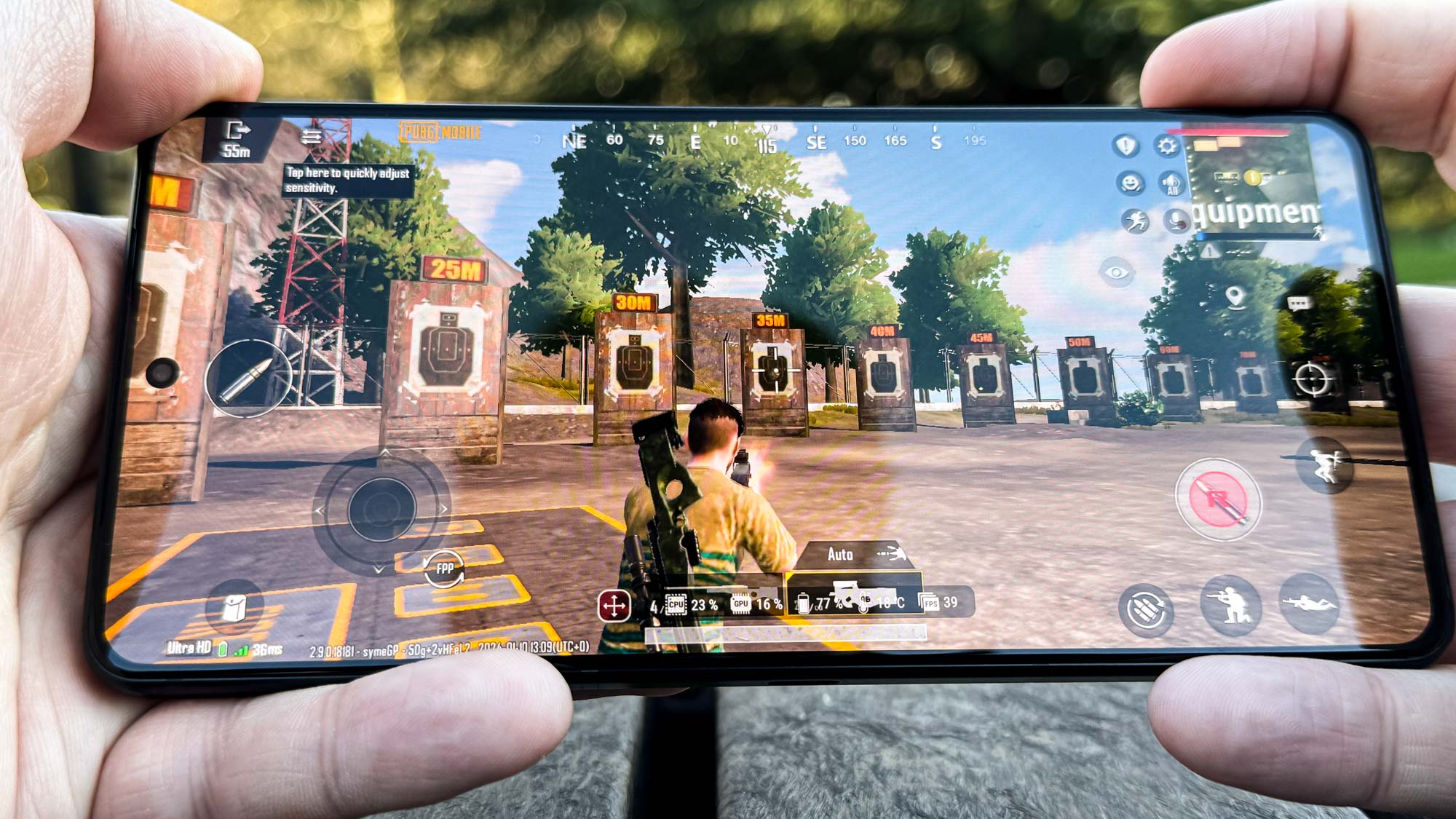
- Call of Duty Mobile / PUBG Mobile: These competitive shooters are remarkably well-optimized. Flagship Android phones can easily run them at maximum graphical settings with "Ultra" or "Extreme" frame rate options (typically 90fps or 120fps, depending on the game and device support) with exceptional stability. The high touch sampling rates and refresh rates of modern displays shine here, offering a highly responsive and fluid experience.
- Asphalt 9: Legends / Wreckfest Mobile: These racing games showcase stunning visuals and physics. Flagships handle them with ease, delivering high frame rates and detailed graphics, highlighting the GPU’s rendering capabilities.
- Emulation: The increased CPU and GPU power also makes the latest Android phones excellent devices for emulation, capable of running Nintendo Switch, PS2, and even some PS3 titles (via specialized emulators) at playable frame rates, further expanding their gaming library.
The Rise of Dedicated Gaming Phones
While most flagships offer excellent gaming performance, a sub-category of "gaming phones" has emerged, pushing the boundaries even further:
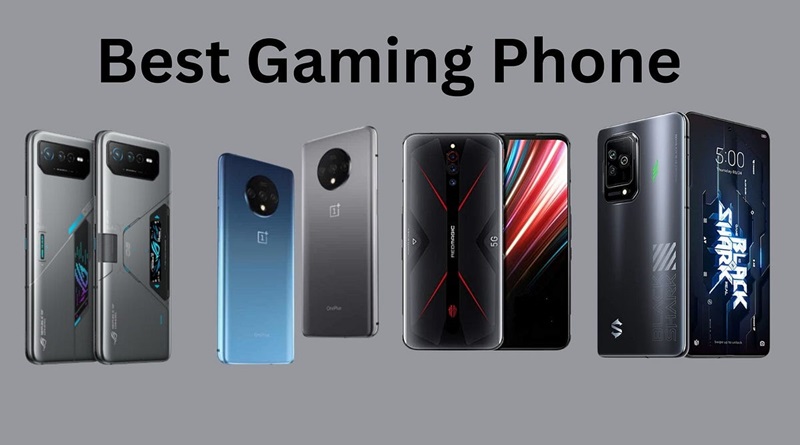
- ASUS ROG Phone Series: The gold standard. These phones feature aggressive cooling systems (often with external fan accessories), specialized shoulder triggers (AirTriggers), higher refresh rate displays (up to 165Hz), massive batteries, and extensive software customization for gaming.
- RedMagic Series (ZTE Nubia): Known for integrating active cooling fans directly into the phone’s chassis, along with dedicated gaming buttons and high refresh rate displays.
- Black Shark Series (Xiaomi): Another strong contender that focuses on robust cooling, dedicated gaming modes, and accessories.
These devices often prioritize gaming performance and features over camera prowess or slim aesthetics, appealing directly to the most hardcore mobile gamers.
Challenges and Future Trends
Despite the incredible advancements, challenges remain, and exciting new technologies are on the horizon:
- Thermal Management: Still the biggest bottleneck. As SoCs become more powerful, dissipating heat effectively in a thin smartphone chassis remains a constant engineering battle. Expect more advanced vapor chambers, internal fans, and perhaps even more innovative material science solutions.
- Battery Life vs. Performance: A perpetual trade-off. While batteries are growing, the power demands of peak gaming performance often outstrip capacity. More efficient SoCs and faster charging are key.
- Ray Tracing: Hardware-accelerated ray tracing is making its way to mobile SoCs. While currently very demanding and limited to a few tech demos or highly optimized titles, it promises more realistic lighting, reflections, and shadows, bringing console-level visual fidelity to mobile.
- Cloud Gaming: Services like Xbox Cloud Gaming, GeForce Now, and Amazon Luna offload processing to remote servers, allowing even less powerful phones to stream AAA games at high quality, reducing the reliance on local hardware.
- Console/PC Ports: The trend of porting full-fledged console and PC games (like Resident Evil Village, Death Stranding, Assassin’s Creed Mirage) to mobile platforms (especially for Apple’s A-series, but Android will follow) signifies a new era for mobile gaming, demanding even greater hardware capabilities.
- AI Upscaling (Mobile DLSS/FSR): Technologies similar to NVIDIA’s DLSS or AMD’s FSR, leveraging AI to render games at a lower resolution and then intelligently upscale them to native resolution, could offer significant performance boosts without sacrificing visual quality, becoming a game-changer for mobile.
Conclusion: The Golden Age of Android Mobile Gaming
The latest Android smartphones have transcended their humble origins to become legitimate, high-performance gaming machines. The synergistic evolution of powerful SoCs (Snapdragon 8 Gen 3, Dimensity 9300), stunning high-refresh-rate AMOLED displays, sophisticated cooling systems, and refined software optimizations has created an unparalleled mobile gaming experience.
While flagship devices from Samsung, OnePlus, Xiaomi, and Google all offer excellent gaming capabilities, dedicated gaming phones from brands like ASUS ROG and RedMagic push the envelope further, catering to enthusiasts who demand every possible edge.
For consumers, the choice depends on priorities. If you seek the absolute best sustained performance, cutting-edge cooling, and gaming-centric features, a dedicated gaming phone is ideal. If you want a fantastic all-rounder with top-tier gaming performance alongside a great camera and general user experience, a mainstream flagship will more than suffice.
The future of Android mobile gaming looks incredibly bright, with ray tracing, advanced AI upscaling, and more console-grade ports on the horizon. As hardware continues to evolve at a breakneck pace, the line between mobile and traditional gaming platforms will only continue to blur, ushering in an exciting new era for gamers worldwide.