Beyond the Megapixels: A Deep Dive into New Android Phone Camera Comparison
In the rapidly evolving landscape of smartphone technology, the camera has transcended its original role as a mere accessory to become a primary differentiator and a central pillar of the user experience. For Android users, the choice of a new device often hinges significantly on its photographic prowess. Gone are the days when a simple megapixel count dictated a camera’s quality; today, a complex interplay of sophisticated hardware, groundbreaking computational photography, and artificial intelligence defines what makes a smartphone camera truly exceptional.
This article delves into the intricate world of new Android phone camera comparisons, moving beyond superficial specifications to explore the nuances that separate the good from the truly great. We will dissect the key contenders, analyze critical performance metrics, uncover the magic behind computational photography, and discuss what the future holds for these pocket-sized imaging powerhouses.
The Contenders: A Glimpse at the Android Camera Ecosystem
The Android ecosystem is a vibrant arena, with several manufacturers consistently pushing the boundaries of mobile photography. While specific models change annually, the underlying philosophies of these brands often remain consistent:
-
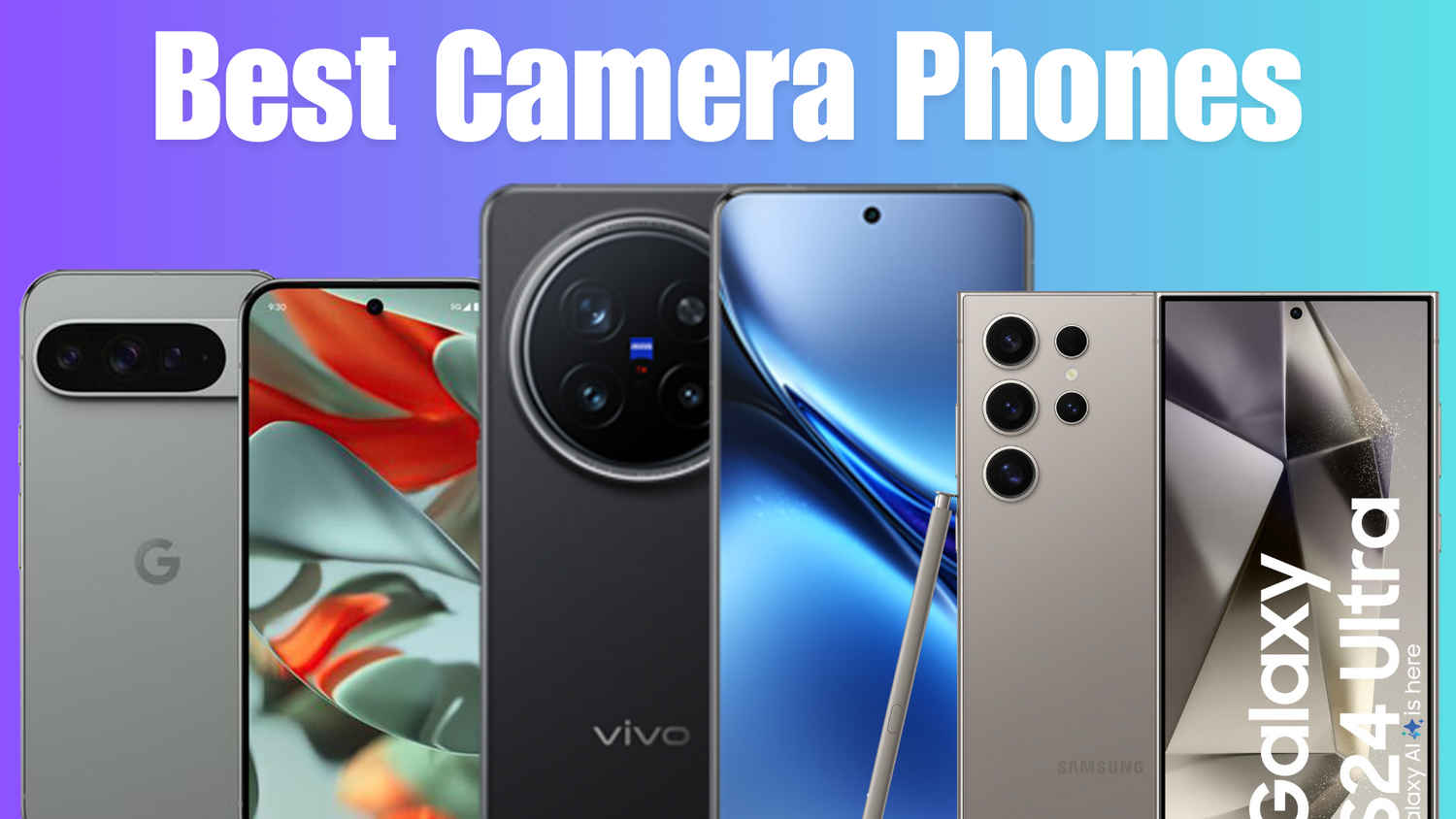
Google Pixel (e.g., Pixel 8 Pro, Pixel 7a): Renowned for its unparalleled computational photography. Pixels often feature modest hardware specifications compared to rivals but consistently deliver stunning, natural-looking photos thanks to their highly optimized software algorithms like HDR+, Night Sight, and Magic Eraser. Their strength lies in consistency, color accuracy, and an intuitive point-and-shoot experience.
-
Samsung Galaxy S/Ultra Series (e.g., Galaxy S24 Ultra, S23 Ultra): Samsung typically leads with hardware brute force, packing multiple lenses, massive megapixel counts, and advanced zoom capabilities (especially with their Ultra models’ periscope lenses). They aim for versatility, offering a wide array of options from ultra-wide to extreme telephoto, often with vibrant, punchy colors that appeal to many users. Their video capabilities are also usually top-tier.
-
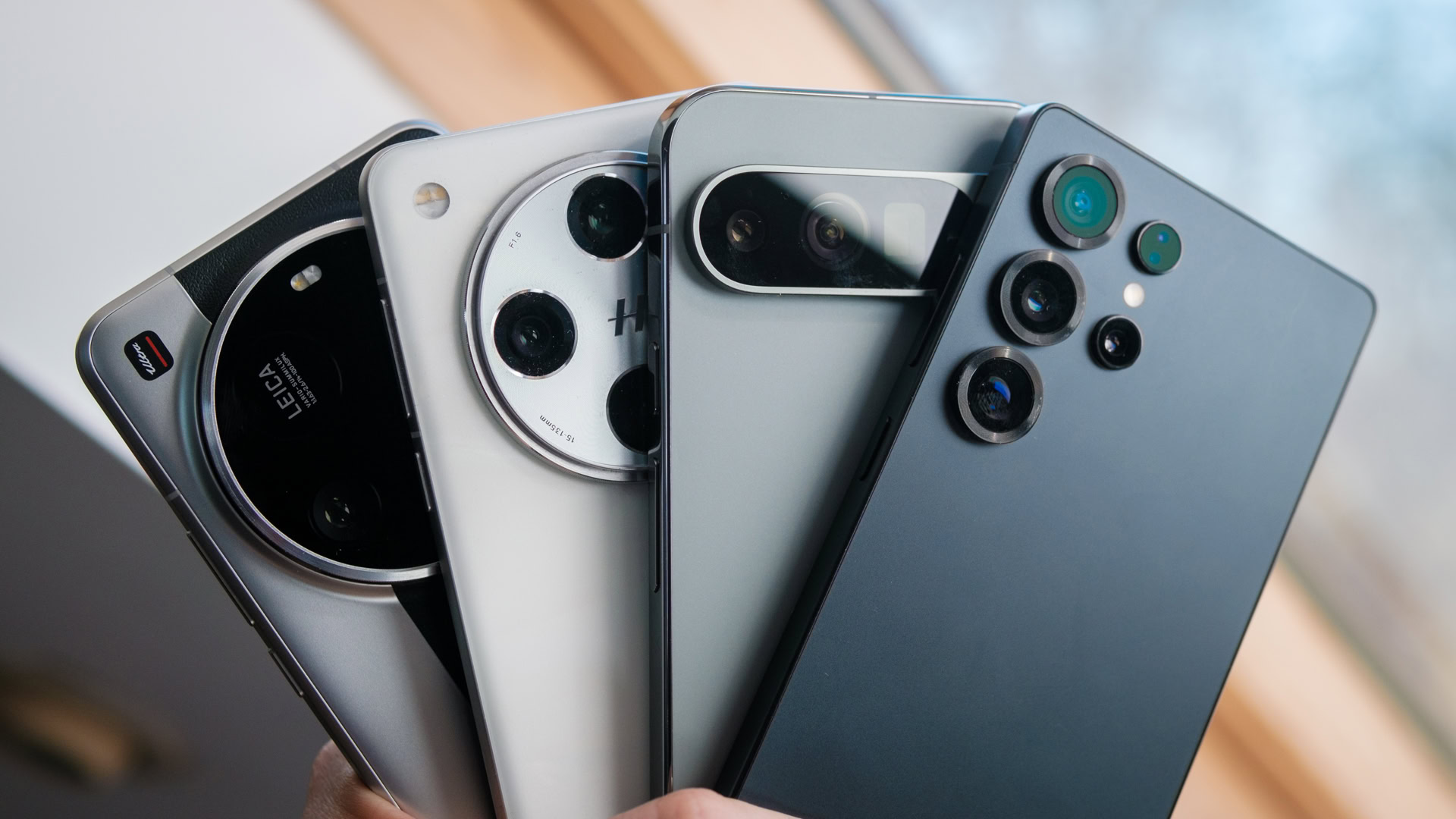
Xiaomi, Oppo, Vivo (Chinese Flagships like Xiaomi 14 Ultra, Oppo Find X7 Ultra, Vivo X100 Pro): These brands are aggressive innovators, frequently being the first to introduce groundbreaking hardware like massive 1-inch type sensors, variable apertures, and highly specialized lenses. They often collaborate with traditional camera brands (e.g., Leica for Xiaomi, Hasselblad for Oppo, Zeiss for Vivo) to refine color science and lens quality. Their focus is often on raw detail, low-light performance, and pushing the boundaries of what’s possible with mobile camera modules.
-
OnePlus (e.g., OnePlus 12): Often positioned as a value flagship, OnePlus aims to strike a balance between performance, features, and price. While perhaps not always leading in every single camera metric, they offer a very capable and enjoyable camera experience, often with a focus on speed and a natural color profile, sometimes in collaboration with Hasselblad.
Key Metrics for Comparison: Dissecting Photographic Prowess
Comparing smartphone cameras effectively requires a multi-faceted approach, looking beyond simple numbers to understand the complete imaging pipeline.
1. Image Quality Fundamentals: The Core of Photography
-
Detail and Sharpness: This is where sensor size, lens quality, and processing converge. Larger sensors (like the 1-inch type sensors found in some Chinese flagships) capture more light and inherently more detail. High-quality lenses reduce aberrations and improve edge-to-edge sharpness. Post-processing then sharpens the image without introducing excessive artifacts.
- Comparison: While high-megapixel sensors can capture more detail, aggressive noise reduction or over-sharpening can negate this advantage. Google Pixels, despite lower megapixel counts, often achieve excellent perceived detail through sophisticated demosaicing and sharpening algorithms that look natural. Samsung and the Chinese flagships, with their larger sensors and higher megapixel counts, can sometimes resolve finer textures, especially in good lighting, but may struggle with consistency in varying conditions.
-
Color Accuracy and Saturation: Different brands have distinct "color science." Some prefer natural, true-to-life hues (Google Pixel, often OnePlus), while others opt for more vibrant, punchy colors that "pop" (Samsung, some Xiaomi models). Neither approach is inherently "better"; it’s a matter of preference.
- Comparison: Google Pixels are renowned for their consistent and accurate color reproduction, making them ideal for those who prefer minimal post-editing. Samsung often delivers slightly more saturated and warmer tones, which can make photos look more appealing on social media. Collaborations with Leica, Hasselblad, and Zeiss often aim to bring a distinct "look" or color profile from traditional photography into the mobile space.
-
Dynamic Range (HDR Performance): The ability of a camera to capture detail in both the brightest highlights and darkest shadows simultaneously. This is where computational photography truly shines. Modern HDR (High Dynamic Range) algorithms stitch together multiple exposures to create a single image with extended dynamic range.
- Comparison: Google’s HDR+ has long been the benchmark, producing natural-looking HDR images without appearing overly processed. Samsung and other flagships have significantly improved, often offering excellent dynamic range, though sometimes with a slightly more artificial or "flat" look compared to Pixel’s nuanced approach. The goal is to preserve detail in blown-out skies and deep shadows without making the image look unnatural.
-
Noise Performance and Low-Light Capabilities: Shooting in challenging low-light conditions is the ultimate test. Larger sensors, wider apertures, Optical Image Stabilization (OIS), and advanced night modes are crucial here. OIS physically moves the lens to compensate for hand shake, allowing for longer exposure times without blur. Night modes then use computational stacking (taking multiple rapid shots and merging them) to reduce noise and enhance detail.
- Comparison: Devices with larger sensors (like the Xiaomi 14 Ultra or Vivo X100 Pro) inherently gather more light, leading to less noise and better detail in the shadows. Google Pixel’s Night Sight is legendary for turning near darkness into well-exposed, usable images, often with a natural aesthetic. Samsung’s Night Mode also performs admirably, often aiming for brighter results, which can sometimes introduce more processing artifacts. The balance is between reducing noise and preserving fine detail without smudging or excessive artificial sharpening.
2. Specialized Lenses and Modes: Expanding the Creative Toolkit
-
Ultra-Wide Camera: Ideal for landscapes, architecture, and group shots, ultra-wide lenses offer a much broader field of view.
- Comparison: Key factors are the field of view (how wide), edge distortion correction (straightening warped lines), and color/detail consistency with the main camera. Many budget phones have weak ultra-wides, but flagships strive for parity in image quality across lenses.
-
Telephoto/Zoom Camera: Essential for capturing distant subjects without significant loss of quality. This is where optical zoom (periscope lenses are common for higher magnification) is vastly superior to digital zoom.
- Comparison: Samsung’s Ultra series is typically the king of zoom, offering 3x, 5x, and even 10x optical zoom lenses, often with impressive hybrid zoom capabilities leveraging software and sensor cropping. Other flagships offer 2x, 3x, or 5x optical zoom. The quality at different zoom levels (e.g., 1x, 3x, 5x, 10x, 30x) is crucial, as is the transition between lenses.
-
Portrait Mode: Uses software to simulate the shallow depth-of-field (bokeh) effect of large-sensor cameras, blurring the background while keeping the subject sharp.
- Comparison: Edge detection (how accurately it separates the subject from the background) and the quality of the bokeh (how natural and creamy the blur appears) are paramount. Google Pixels excel at natural-looking bokeh and accurate edge detection. Other brands have improved significantly, but some can still struggle with complex outlines like hair or transparent objects.
-
Macro Photography: Capturing extreme close-ups. Some phones use dedicated macro lenses, while others leverage their ultra-wide or main camera with advanced autofocus.
- Comparison: Dedicated macro lenses can offer impressive detail but might be low-resolution. Using a high-quality ultra-wide with autofocus (like on many Samsung and Chinese flagships) often yields better results.
3. Video Capabilities: Moving Pictures
-
Resolution and Frame Rates: Most flagships offer 4K video recording at 60fps, and some even push to 8K (though often with compromises in stabilization and file size). High frame rates (120fps, 240fps) enable impressive slow-motion.
- Comparison: Beyond resolution, look for consistency in quality across different lenses, dynamic range in video, and low-light video performance.
-
Stabilization (OIS & EIS): Crucial for smooth, shake-free footage. Optical Image Stabilization (OIS) is hardware-based, while Electronic Image Stabilization (EIS) uses software to crop and stabilize the footage. Most phones use a hybrid approach.
- Comparison: Google Pixels and Samsung flagships often have excellent video stabilization, making handheld footage surprisingly smooth. Some Chinese brands are catching up rapidly with advanced stabilization modes.
-
Audio Quality: Often overlooked, but good audio is vital for compelling videos. Stereo recording, wind noise reduction, and clear voice pickup are important.
-
Advanced Features: Cinematic Mode (Apple’s equivalent, with Android catching up), Log profiles for color grading, and advanced manual controls offer more creative freedom for serious videographers.
4. The Magic of Computational Photography & AI
This is arguably the most significant differentiator in modern smartphone cameras. It’s the "secret sauce" that allows tiny sensors to produce results rivaling dedicated cameras.
-
HDR+ and Exposure Fusion: Combining multiple frames at different exposures to create one image with extended dynamic range.
-
Night Mode/Night Sight: Stacking dozens of frames over several seconds to create bright, detailed, and low-noise images in near darkness.
-
Super Res Zoom: Using multiple frames and machine learning to enhance detail when digitally zooming beyond optical capabilities.
-
Face Unblur/Magic Eraser/Best Take (Google Pixel): AI-powered features for fixing blurry faces, removing unwanted objects, or combining elements from multiple shots.
-
Semantic Segmentation: AI identifying different elements in a scene (sky, skin, grass, buildings) and applying targeted enhancements.
-
Generative AI Editing: Newer features allowing users to intelligently resize, reposition, or even generate parts of an image based on AI understanding.
-
Impact: Computational photography has leveled the playing field, making it possible for virtually anyone to capture professional-looking photos. It also allows brands to develop a distinct "look" or style for their photos, moving beyond raw sensor output. Google remains the leader in the natural and consistent application of these technologies, while others like Samsung and Xiaomi integrate AI for scene optimization and advanced editing.
5. Hardware Beyond the Sensor: The Unsung Heroes
- Lens Quality: High-quality glass elements and coatings reduce flare, ghosting, and chromatic aberration, leading to sharper, clearer images. Collaborations with traditional camera brands often focus here.
- Aperture: A wider aperture (smaller f-number, e.g., f/1.7 vs. f/2.2) lets in more light, which is crucial for low-light performance and natural background blur. Some new phones even feature variable apertures.
- Image Signal Processor (ISP) and Chipset: The dedicated hardware within the phone’s main processor (e.g., Qualcomm Snapdragon, Google Tensor, MediaTek Dimensity) that handles all the complex image processing tasks. A powerful ISP is essential for fast image capture, sophisticated computational photography, and efficient video encoding.
- LiDAR or ToF (Time-of-Flight) Sensors: Used for faster and more accurate autofocus, especially in low light, and for improved depth mapping in portrait mode.
6. User Experience and Camera App Interface
A technically superior camera can be hampered by a clunky or slow user interface.
- Shutter Lag and Focus Speed: Crucial for capturing fleeting moments. A fast, reliable autofocus system is paramount.
- App Layout and Features: An intuitive layout, easy access to modes (Pro mode, portrait, video), and quick toggles for settings (flash, timer, aspect ratio) enhance the experience.
- Consistency Across Lenses: Switching between main, ultra-wide, and telephoto lenses should be seamless, with minimal changes in color science or exposure.
- Post-Processing Options: Built-in editing tools, filters, and AI enhancements directly within the gallery app add value.
What to Look For When Choosing: Tailoring to Your Needs
Given the vast differences, there’s no single "best" Android phone camera for everyone. Consider your primary use cases:
- For the "Point-and-Shoot" User: Google Pixel devices often provide the most consistent, hassle-free, and aesthetically pleasing results with minimal effort.
- For the Versatility Seeker: Samsung’s Ultra series offers an unparalleled range of focal lengths, making it ideal for those who shoot everything from wide landscapes to distant wildlife.
- For the Tech Enthusiast/Pixel Peeker: Chinese flagships (Xiaomi, Oppo, Vivo) often boast cutting-edge hardware and push the boundaries of raw image quality, especially in good light and low light.
- For the Videographer: Samsung and Google often lead in video stabilization, dynamic range, and advanced video features.
- For the Balanced Performer: OnePlus often offers a very capable camera system that performs well across the board without the absolute premium price tag.
Always look beyond spec sheets. Consult multiple reputable reviews that include real-world photo and video samples under various lighting conditions. Pay attention to how the camera handles skin tones, complex textures, and challenging lighting scenarios.
The Future of Android Phone Cameras
The innovation in smartphone cameras shows no signs of slowing down:
- Even Larger Sensors: Expect more devices to incorporate 1-inch type or even larger sensors, further blurring the line between phones and dedicated cameras.
- Continuous Variable Apertures: Moving beyond two or three fixed apertures to offer a truly variable aperture, providing more control over depth of field and light gathering.
- More Sophisticated Computational Photography: AI will become even more integral, moving from mere image enhancement to intelligent scene understanding, proactive adjustments, and personalized image creation.
- Under-Display Cameras: While currently limited in quality, advancements will eventually allow for truly bezel-less displays without compromising front-camera performance.
- Advanced Optical Zoom: Further development in periscope lens technology to achieve even higher optical zoom levels without significant bulk.
- Integration with AR/VR: Cameras will play a crucial role in enhancing augmented reality experiences and feeding data to spatial computing platforms.
- Personalized Color Science: AI could potentially learn a user’s preferred color profile and automatically apply it to photos.
Conclusion
The journey of the Android phone camera has been one of relentless innovation, transforming a utility into a powerful creative tool. Modern comparisons are no longer about who has the most megapixels, but rather who can master the intricate dance between cutting-edge hardware, intelligent software, and intuitive user experience.
While flagship devices from Google, Samsung, Xiaomi, Oppo, and Vivo all offer exceptional photographic capabilities, their strengths and philosophies diverge. Understanding these nuances, coupled with your personal photographic priorities, is key to choosing the Android phone that will best capture your world. As technology continues its inexorable march forward, we can only anticipate even more astounding advancements, ensuring that the next generation of Android phone cameras will continue to redefine what’s possible in the palm of our hands.