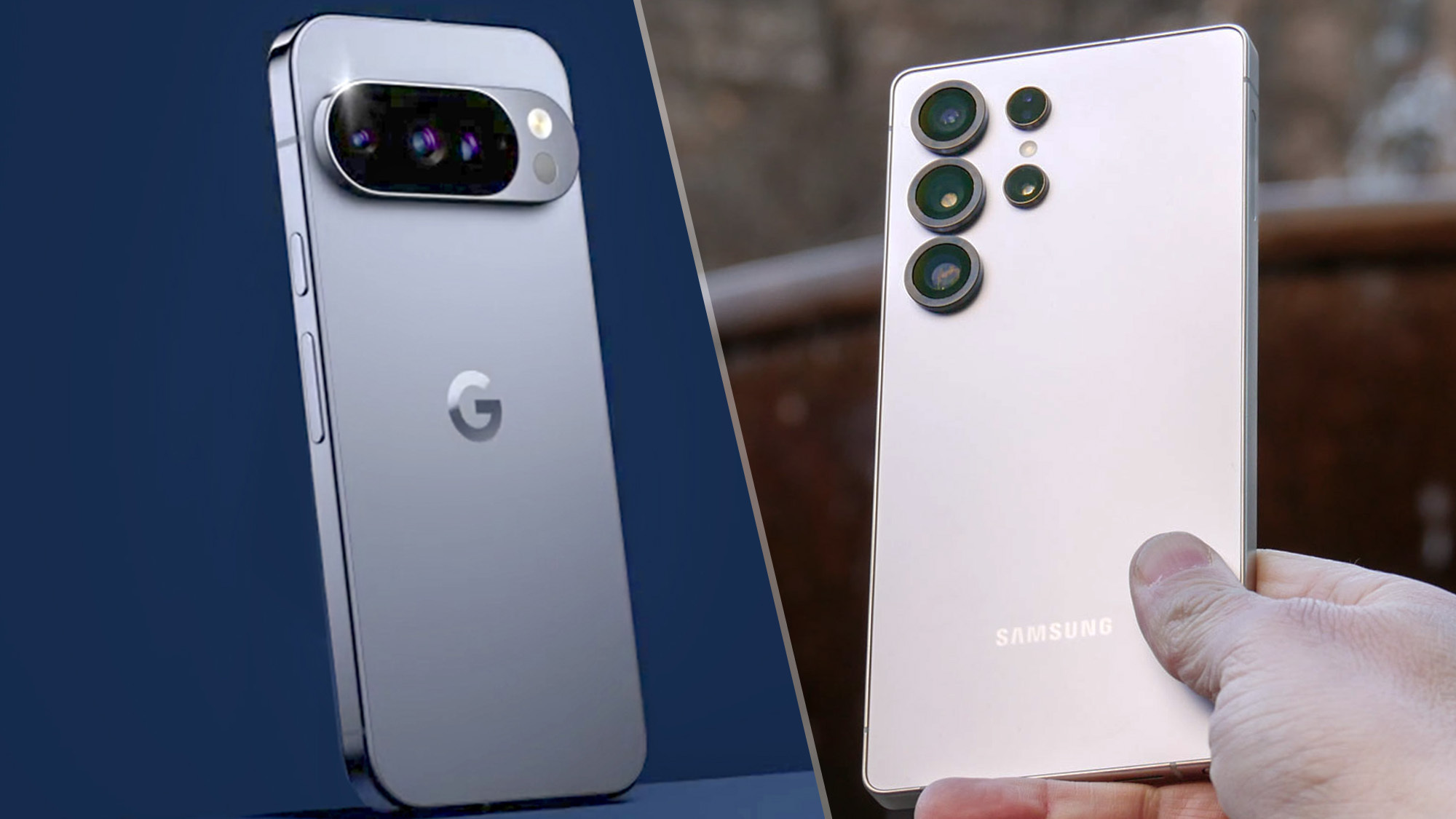

The Android Arena: A Deep Dive into Pixel Phones vs. The Broader Android Ecosystem
The world of Android smartphones is a vibrant, diverse, and often perplexing landscape. On one side, you have Google’s own "Pixel" phones, often heralded as the purest embodiment of the Android vision. On the other, lies the vast "latest Android" ecosystem – a galaxy of devices from manufacturers like Samsung, OnePlus, Xiaomi, Oppo, and many others, each vying for supremacy with unique hardware, software customizations, and distinct philosophies.
For consumers navigating this expansive market, the choice can be daunting. Is the "pure" Android experience offered by a Pixel truly superior, or do the innovations and features from other Android flagships offer a more compelling package? This article aims to provide an exhaustive comparison, dissecting the nuances, strengths, and weaknesses of Pixel phones against the broader spectrum of the latest Android devices, helping you determine which path aligns best with your mobile priorities.
I. Defining the Contenders: Pixel vs. The Android Collective
Before we dive into the specifics, it’s crucial to understand the fundamental difference between these two categories.
A. The Pixel Philosophy: Google’s Vision of Android
Google Pixel phones are, at their core, Google’s direct interpretation of what an Android smartphone should be. They represent a harmonious blend of hardware and software, designed to showcase the full potential of the Android operating system, often augmented by Google’s cutting-edge AI and machine learning capabilities. Pixels are known for:
- Stock Android Experience: A clean, bloatware-free interface, free from heavy OEM skins.
- Computational Photography: Industry-leading cameras that rely heavily on software algorithms.
- Timely Updates: First in line for Android OS updates and security patches.
- Deep AI Integration: Leveraging Google’s AI across the entire device experience, from Assistant to call screening.
- Tensor Chips: Custom-designed silicon focused on AI and machine learning tasks.
B. The "Latest Android" Ecosystem: Diversity and Innovation
This category encompasses the flagship and high-end devices from every other major Android manufacturer. These phones are characterized by:
- OEM Skins: Heavily customized Android interfaces (e.g., Samsung’s One UI, OnePlus’s OxygenOS, Xiaomi’s MIUI) that add features, change aesthetics, and sometimes introduce bloatware.
- Hardware Prowess: Often pushing the boundaries with higher refresh rate displays, faster charging, more versatile camera systems (e.g., periscope zoom), and innovative form factors (foldables).
- Diverse Processors: Primarily utilizing Qualcomm’s Snapdragon chips, but also MediaTek’s Dimensity, known for raw performance.
- Competitive Pricing & Features: A wider range of price points and feature sets to cater to different segments of the market.
- Brand-Specific Ecosystems: Integration with their own smart devices, apps, and services.
II. Software Experience: Pure Android vs. The Customized Canvas
Perhaps the most significant differentiator lies in the software experience.
A. Pixel’s Stock Android: Simplicity and Fluidity
Pixel phones offer the purest form of Android available outside of a few niche devices. This means:
- Clean UI: A minimalist interface, free from pre-installed third-party apps (bloatware) and heavy visual overlays. Navigation is intuitive and consistent with Google’s design language.
- Faster Updates: Pixels are the first devices to receive major Android OS updates and monthly security patches, often months before other manufacturers can adapt their skins. This ensures access to the latest features and security enhancements promptly.
- Google’s AI at the Forefront: Features like Call Screen, Hold for Me, Magic Eraser, Photo Unblur, and the deeply integrated Google Assistant are seamlessly woven into the OS, often powered by the Tensor chip. The recent introduction of Gemini Nano on the Pixel 8 Pro further exemplifies this, bringing on-device AI capabilities like summarizing and smart replies.
- Consistency: The experience is highly consistent year over year, with subtle refinements rather than radical overhauls. This provides a reliable and predictable user journey.
B. OEM Skins: Feature-Rich, but Potentially Complex
Manufacturers like Samsung, OnePlus, and Xiaomi heavily customize Android, creating their own distinct "skins."
- Feature Overload (for some): These skins often add a plethora of extra features, customization options, and proprietary apps that go beyond stock Android. Samsung’s One UI, for instance, offers extensive multitasking capabilities, DeX desktop experience, and a robust S Pen integration on its Ultra models. OnePlus’s OxygenOS balances speed with thoughtful additions.
- Visual Identity: Each skin has a unique aesthetic, allowing brands to differentiate themselves. Some users prefer the vibrant, feature-packed look of One UI, while others might find MIUI’s resemblance to iOS appealing.
- Slower Updates: The need to adapt their complex skins to each new Android version means these phones typically receive updates much later than Pixels, sometimes by several months. This can leave users waiting for new features and security fixes.
- Bloatware: Many OEM phones come pre-loaded with a significant number of proprietary apps and sometimes even third-party apps that cannot be uninstalled, consuming storage and potentially system resources.
- Galaxy AI and Beyond: Samsung’s latest flagships, like the Galaxy S24 series, have made a significant push into on-device AI with "Galaxy AI," offering features like Circle to Search, Live Translate, and advanced photo editing. While impressive, these are largely separate initiatives compared to Google’s deeper integration at the OS level on Pixel.
Verdict on Software: For users who prioritize a clean, uncluttered interface, prompt updates, and seamless integration of Google’s latest AI innovations, Pixel is the clear winner. However, if you crave extensive customization, unique brand-specific features, or hardware-specific functionalities (like the S Pen), then a phone from the broader Android ecosystem might offer more.
III. Camera Capabilities: Computational Magic vs. Hardware Versatility
The camera is often a make-or-break feature for modern smartphones, and this is where Pixels have historically shone.
A. Pixel’s Computational Photography Edge
Google pioneered computational photography, and Pixels continue to lead in many aspects:
- Point-and-Shoot Excellence: Pixels consistently produce natural-looking photos with excellent dynamic range, accurate colors, and superb detail in a wide variety of conditions, often with just a tap of the shutter button.
- Night Sight: Google’s Night Sight mode remains one of the best for low-light photography, capable of capturing bright, detailed images in near darkness without resorting to harsh over-processing.
- Unique AI Features: Magic Eraser (removing unwanted objects), Photo Unblur (sharpening blurry faces), and Best Take (combining multiple shots for the best expressions) are standard Pixel features. The Pixel 8 Pro introduced Video Boost (uploading video to the cloud for enhanced processing) and Audio Magic Eraser (removing background noise from videos).
- Consistent Results: Pixels are renowned for their consistency across different lighting conditions and scenarios, making them reliable tools for casual photographers.
- Tensor’s Role: The Tensor chip is integral to this, rapidly processing complex algorithms to produce stunning images and videos in real-time.
B. "Latest Android" Cameras: Hardware Innovation and More Lenses
Other Android flagships have caught up significantly, often by packing more versatile hardware:
- Higher Megapixel Counts: Many devices boast 108MP, 200MP, or even higher megapixel main sensors, offering more cropping flexibility and detail in ideal conditions.
- Zoom Versatility: Periscope zoom lenses (e.g., Samsung Galaxy S24 Ultra’s 5x optical zoom, previous 10x optical) offer unparalleled reach, allowing users to capture distant subjects with clarity that Pixels often struggle to match digitally.
- More Lenses: The typical flagship setup includes an ultra-wide, a main wide, and often two telephoto lenses (3x and 5x/10x), providing a broader range of focal lengths.
- Pro Modes & Manual Controls: Many OEM cameras offer extensive manual controls for aperture, ISO, shutter speed, and white balance, catering to more experienced photographers.
- Brand Collaborations: Some brands partner with traditional camera companies (e.g., OnePlus with Hasselblad, Xiaomi with Leica) to fine-tune color science and user experience.
- Video Prowess: While Pixels have improved, devices like the Galaxy S24 Ultra often lead in video recording capabilities, offering 8K recording, advanced stabilization, and more granular control over video settings.
Verdict on Camera: For effortless, consistently excellent photos, especially in challenging conditions like low light, and for unique AI-powered editing features, Pixel remains a top contender. However, if you prioritize extreme zoom capabilities, a wider array of lenses for creative flexibility, extensive manual controls, or class-leading video recording, then a flagship from Samsung or another OEM might be more appealing.
IV. Performance & Processors: Tensor’s AI Focus vs. Snapdragon’s Raw Power
The heart of any smartphone is its processor, and here, Pixels and the broader Android ecosystem have diverged.
A. Pixel’s Tensor Chips: Built for Google AI
Since the Pixel 6, Google has developed its custom Tensor System-on-a-Chip (SoC).
- AI/ML Optimization: Tensor chips (e.g., Tensor G3 in Pixel 8 series) are specifically designed to accelerate Google’s machine learning models. This means faster and more efficient processing for features like live transcription, real-time translation, advanced image processing, and on-device AI tasks.
- Real-World Smoothness: While benchmark scores for raw CPU/GPU power might sometimes lag behind the top-tier Snapdragon chips, Pixels generally feel incredibly smooth and responsive in daily use, thanks to tight software-hardware integration.
- Gaming Performance: While capable, Tensor chips are not always the absolute best for graphically intensive gaming compared to the latest Snapdragon chips, which often boast superior GPU performance.
- Efficiency: Google aims for a balance of performance and efficiency, though initial Tensor generations faced some criticism regarding heat management and battery drain compared to competitors. The Tensor G3 has shown significant improvements in this regard.
B. "Latest Android" Processors: Raw Horsepower and Gaming Dominance
Most other Android flagships utilize Qualcomm’s Snapdragon processors (e.g., Snapdragon 8 Gen 3).
- Unmatched Raw Power: Snapdragon chips consistently top benchmark charts for raw CPU and GPU performance, making them ideal for heavy multitasking, demanding applications, and high-frame-rate gaming.
- Gaming Prowess: Devices with the latest Snapdragon chips are often the preferred choice for serious mobile gamers, offering superior sustained performance and graphics rendering.
- Efficiency & Thermals: Qualcomm has made significant strides in power efficiency and thermal management with its latest generations, ensuring sustained performance without excessive heat.
- MediaTek Dimensity: While less common in global flagships, MediaTek’s Dimensity chips are also becoming increasingly powerful, offering competitive performance, especially in markets like China.
Verdict on Performance: If your primary concern is raw horsepower for gaming, demanding productivity apps, or simply having the absolute fastest chip available, then a Snapdragon-powered flagship from another OEM is likely the better choice. However, if you value seamless AI integration, snappy daily performance, and a processor optimized for Google’s specific software experiences, the Tensor chip in a Pixel offers a compelling and unique advantage.
V. Design & Build Quality: Distinctive Aesthetics vs. Diverse Form Factors
Design is subjective, but there are clear trends in both camps.
A. Pixel’s Signature Look
Pixel phones have developed a distinct design language:
- Visor Camera Bar: The horizontal camera bar across the back is instantly recognizable and sets Pixels apart.
- Premium Materials: Glass backs (often matte), aluminum frames, and robust build quality are standard.
- Subtle Colorways: Google often opts for sophisticated, muted color options.
- Ergonomics: Pixels are generally well-balanced and comfortable to hold, though the sizes of the Pro models can be substantial.
- IP Rating: All recent Pixels come with IP68 water and dust resistance.
B. "Latest Android" Designs: Variety and Innovation
The broader Android ecosystem offers far greater design diversity:
- Foldables: Samsung’s Galaxy Z Fold and Z Flip series, along with offerings from Oppo, Xiaomi, and OnePlus, push the boundaries of form factor innovation, offering tablet-like screens or compact clamshell designs.
- Ultra-Premium Finishes: Some manufacturers experiment with ceramic, vegan leather, or unique textured glass backs.
- Edge-to-Edge Displays: Curved displays are still popular, though flat displays are making a comeback.
- Gaming Phones: Brands like ASUS (ROG Phone) create devices with aggressive aesthetics, cooling systems, and physical triggers optimized for gaming.
- Brighter & Sharper Displays: Many flagships boast higher peak brightness levels and often slightly sharper displays than Pixels, though Pixel displays are still excellent.
- S Pen Integration: Samsung’s Ultra series famously integrates the S Pen, offering unique productivity and creativity features.
Verdict on Design: If you appreciate a unique, understated, and instantly recognizable design with solid build quality, Pixel delivers. If you crave variety, cutting-edge form factors (like foldables), specialized designs (gaming phones), or specific integrated accessories (S Pen), the broader Android market has far more to offer.
VI. Battery Life & Charging: Endurance vs. Speed
Battery performance is a critical daily consideration.
A. Pixel’s Solid, But Not Class-Leading, Battery Life
- Consistent Endurance: Pixels generally offer good all-day battery life, especially the Pro models, thanks to efficient software and hardware optimization.
- Adaptive Battery: Google’s Adaptive Battery feature learns user habits to prioritize power for frequently used apps.
- Slower Charging: This is often a notable drawback. While charging speeds have improved, Pixels typically lag behind competitors, often topping out around 27-30W wired charging, which is slower than many rivals. Wireless charging is present but also not the fastest.
B. "Latest Android" Battery & Charging: Speed Demons and Stamina Kings
- Varied Endurance: Battery life across the broader Android ecosystem varies widely. Samsung’s flagships are often very reliable, while some ultra-slim phones might compromise slightly.
- Blazing Fast Charging: This is where many non-Pixel Android phones shine. Chinese manufacturers, in particular, offer incredibly fast wired charging (e.g., 80W, 100W, 120W, or even 240W), allowing a full charge in under 30 minutes. This is a significant convenience for users on the go.
- Faster Wireless Charging: Many also offer faster wireless charging speeds than Pixels.
- Reverse Wireless Charging: A common feature allowing the phone to charge accessories.
Verdict on Battery & Charging: If you prioritize super-fast charging that can get you hours of use in minutes, or if you need absolute top-tier endurance, many non-Pixel Android flagships offer superior options. Pixels provide solid, reliable battery life, but their charging speeds are a noticeable weakness compared to the competition.
VII. Updates & Longevity: The Google Advantage
For long-term value and security, update policy is paramount.
A. Pixel’s Unrivaled Update Commitment
- Longest Support: With the Pixel 8 and 8 Pro, Google has set a new industry standard, promising 7 years of OS updates, security updates, and feature drops. This is currently unmatched by any other Android manufacturer.
- First in Line: As mentioned, Pixels are always the first to receive new Android versions and monthly security patches.
- Feature Drops: Google regularly introduces new features to Pixels through "Feature Drops," adding value throughout the phone’s lifespan.
- Resale Value: A longer update commitment can potentially improve the device’s resale value over time.
B. "Latest Android" Update Policies: Improving, But Still Behind
- Improving Policies: Manufacturers like Samsung have significantly improved their update policies, now offering 5 years of security updates and 4 years of OS updates for their flagships. This is commendable but still falls short of Google’s commitment.
- Slower Rollouts: Despite improved commitments, the actual rollout of updates often takes longer due to the need to adapt their software skins.
- Fragmentation: The sheer number of Android devices and manufacturers contributes to fragmentation, where many older or mid-range devices receive fewer or no updates.
Verdict on Updates: If long-term software support, timely security updates, and access to the latest Android features for many years are your top priorities, Pixel phones offer an unparalleled advantage that currently no other Android manufacturer can match.
VIII. AI Integration: Google’s Playground
Artificial Intelligence is increasingly central to the smartphone experience, and this is Google’s home turf.
A. Pixel’s Deep AI Integration
- Foundational AI: AI is not just a feature on Pixel; it’s deeply integrated into the Tensor chip and the operating system itself. From predictive text and smart replies to personalized recommendations and efficient background task management, AI underpins the entire experience.
- Assistant & Smart Features: Google Assistant is at its most powerful and contextually aware on a Pixel. Features like Call Screen, Hold for Me, and Direct My Call leverage AI to streamline phone interactions.
- On-Device AI (Gemini Nano): With the Pixel 8 Pro, Google introduced Gemini Nano, a small, efficient AI model running directly on the device, enabling features like Gboard’s Smart Reply in WhatsApp and Recorder’s summarization even without an internet connection.
- Camera AI: As discussed, computational photography is heavily reliant on AI for image processing, enhancing, and editing.
B. "Latest Android" AI: Catching Up and Differentiating
- Galaxy AI: Samsung has made a significant push with "Galaxy AI" on the S24 series, offering features like Circle to Search (a collaboration with Google), Live Translate (for calls and messages), Chat Assist (for tone adjustment), and advanced photo editing (Generative Edit).
- Cloud-Based AI: Many OEM AI features still rely more heavily on cloud processing compared to Pixel’s increasing focus on on-device AI for privacy and speed.
- Varied Implementation: The depth and breadth of AI integration vary greatly across different manufacturers, with some offering more superficial AI features.
Verdict on AI: Google’s Pixels are the current leaders in seamless, deeply integrated, and increasingly on-device AI. If you want a phone that truly feels smart and leverages AI in a meaningful way across its core functions, Pixel is the front-runner. Other Android OEMs are making significant strides, particularly Samsung, but Google’s foundational advantage in AI is evident.
IX. Price & Value Proposition
Finally, price plays a crucial role in decision-making.
A. Pixel’s Premium, But Often Competitive, Pricing
- Flagship Pricing: Pixel phones are positioned in the premium segment, with prices comparable to base models of other flagships.
- Value for Software: The value proposition often comes from the pure software experience, class-leading camera, and unparalleled update commitment, which can offset slightly lower raw hardware specs compared to some rivals.
- Mid-Range Options: Google also offers the "a" series (e.g., Pixel 7a), which provides many core Pixel experiences at a more affordable price point, offering excellent value.
B. "Latest Android" Pricing: A Spectrum of Choices
- Ultra-Premium: Devices like the Samsung Galaxy S24 Ultra can be among the most expensive smartphones on the market.
- Competitive Flagships: Many other flagships from OnePlus, Xiaomi, and Oppo often come in at slightly lower price points than the absolute top-tier, offering excellent hardware for the money.
- Mid-Range & Budget Options: The broader Android ecosystem offers an incredible array of devices at every price point imaginable, from budget-friendly options to high-end flagships, ensuring there’s a phone for every budget.
Verdict on Price & Value: If you want a premium experience with a strong focus on software, camera, and longevity, Pixel offers excellent value, especially when considering its long-term update support. However, if you’re looking for the absolute best hardware specifications (e.g., extreme zoom, fastest charging) or need options across a very wide range of price points, the broader Android market provides more choices.
X. Who Should Buy What?
Choose a Google Pixel Phone if:
- You prioritize a clean, unadulterated "stock Android" experience with no bloatware.
- You want the fastest possible Android OS and security updates, and the longest software support (7 years!).
- You desire a consistently excellent point-and-shoot camera, especially for low light and with unique AI editing features.
- You value deep, seamless integration of Google’s AI and machine learning features throughout your device.
- You appreciate a unique, understated design and premium build quality.
- You want a phone that "just works" reliably and smoothly.
Choose a "Latest Android" Phone (e.g., Samsung, OnePlus, Xiaomi) if:
- You prefer a feature-rich, highly customizable Android experience with a specific OEM’s UI (e.g., One UI, OxygenOS).
- You need the absolute cutting edge in hardware, such as ultra-fast charging, periscope zoom lenses, or innovative form factors like foldables.
- You demand the highest raw performance for intense gaming or demanding applications (often found in Snapdragon-powered flagships).
- You are loyal to a specific brand or its ecosystem (e.g., Samsung’s DeX, S Pen).
- You need a wider range of price points and hardware configurations to choose from.
- You prioritize the most versatile camera system with more lenses and manual controls, even if it means slightly less consistent point-and-shoot results.
XI. Conclusion: A Diverse Ecosystem, A Personal Choice
The debate between Google Pixel phones and the broader "latest Android" ecosystem is not about one being definitively "better" than the other. Instead, it’s a testament to the incredible diversity and innovation within the Android world.
Pixel phones stand as Google’s thesis statement: a cohesive, AI-first device where software and hardware are meticulously optimized to deliver a pure, smart, and long-lasting Android experience. They are for the purists, the AI enthusiasts, and those who value simplicity and prompt updates above all else.
Conversely, the flagships from Samsung, OnePlus, Xiaomi, and others represent the boundless potential of Android as an open platform. They push boundaries with hardware innovation, offer feature-rich software experiences tailored to specific user groups, and provide an unparalleled choice across design, performance, and price.
Ultimately, the "best" phone is the one that best suits your individual needs, preferences, and priorities. By carefully considering the strengths and weaknesses outlined in this comparison, you can navigate the exciting Android arena and make an informed decision that enhances your mobile life for years to come. The future of Android promises even more AI integration and hardware innovation, making this comparison an ever-evolving one, but the core philosophies of Pixel and the broader ecosystem are likely to remain distinct, catering to the diverse tapestry of smartphone users worldwide.