Okay, here’s a comprehensive article comparing "Latest Android" (often personified by Google Pixel and other stock/near-stock Android flagships) with Samsung Galaxy flagships, aiming for approximately 2000 words.
The Android Arena: Latest Android vs. Samsung Galaxy – A Head-to-Head Battle for Supremacy
The smartphone market, particularly within the Android ecosystem, is a vibrant battlefield of innovation, design, and user experience. While hundreds of devices vie for attention, two distinct philosophies often emerge as the primary contenders for the discerning consumer: the "Latest Android" experience, typically championed by Google’s own Pixel series and its focus on pure software, AI, and timely updates; and the "Samsung Galaxy" experience, defined by its industry-leading hardware, feature-rich One UI, and expansive ecosystem.
This head-to-head comparison delves deep into what makes each approach unique, dissecting everything from design and display to camera performance, software philosophy, battery life, and overall value. Our goal is to equip you with the insights needed to navigate this complex landscape and determine which side of the Android coin truly aligns with your digital lifestyle.
I. Introduction: Defining the Contenders
Before we dive into the specifics, it’s crucial to clarify what "Latest Android" and "Samsung Galaxy" represent in this context.
"Latest Android" (The Google Pixel & Beyond): This refers primarily to Google Pixel smartphones, which serve as the purest expression of Android as Google intends it. They are the first to receive new Android versions, boast exclusive AI features, and offer a clean, unadulterated software experience. Beyond Pixel, this category also implicitly includes other flagships from brands like OnePlus, Xiaomi (often with their "Ultra" variants), or Motorola, which, while having their own skins, often prioritize speed, specific hardware innovations, or a more streamlined software experience compared to Samsung’s feature-dense approach. For the sake of a focused comparison, the Google Pixel will serve as the primary representative of the "Latest Android" philosophy, given its direct lineage to the operating system.
"Samsung Galaxy" (The Empire of Innovation): This encompasses Samsung’s flagship lines – primarily the Galaxy S series (S24, S23, etc.), the foldable Z series (Fold and Flip), and sometimes the Note-successor Ultra models. Samsung is the undisputed market leader in the Android space, known for pushing boundaries in display technology, camera versatility, and an incredibly feature-rich software layer called One UI. Their devices are often seen as the benchmark for premium Android hardware.
The battle isn’t just about specifications; it’s about two distinct visions for what a smartphone should be. Is it a minimalist, intelligent companion with a focus on core experiences, or a powerhouse of features, customization, and hardware prowess? Let’s find out.
II. Design and Build Quality: Aesthetics Meet Ergonomics
Both Google Pixel and Samsung Galaxy devices consistently offer premium build quality, but their design philosophies often diverge.
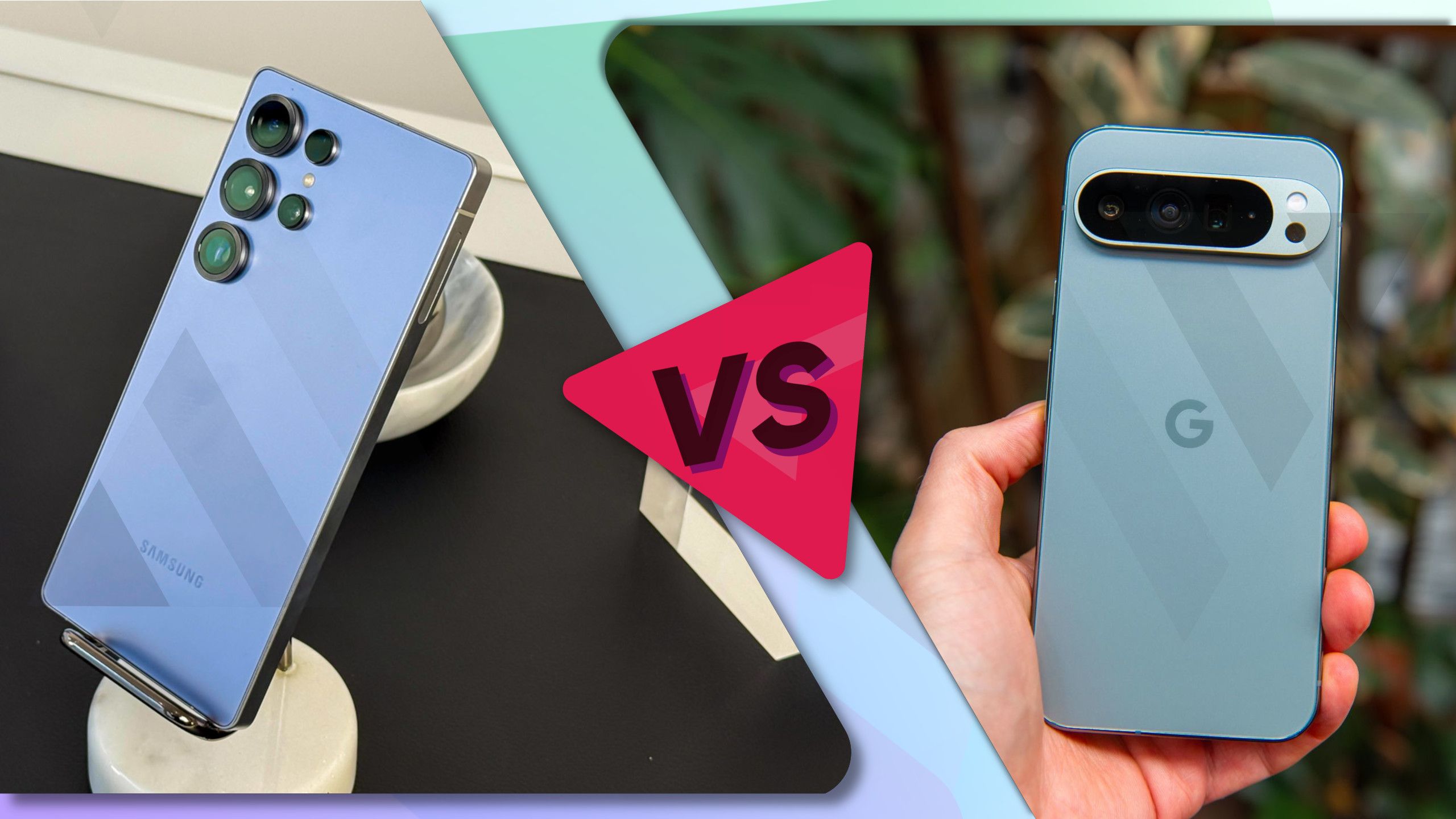
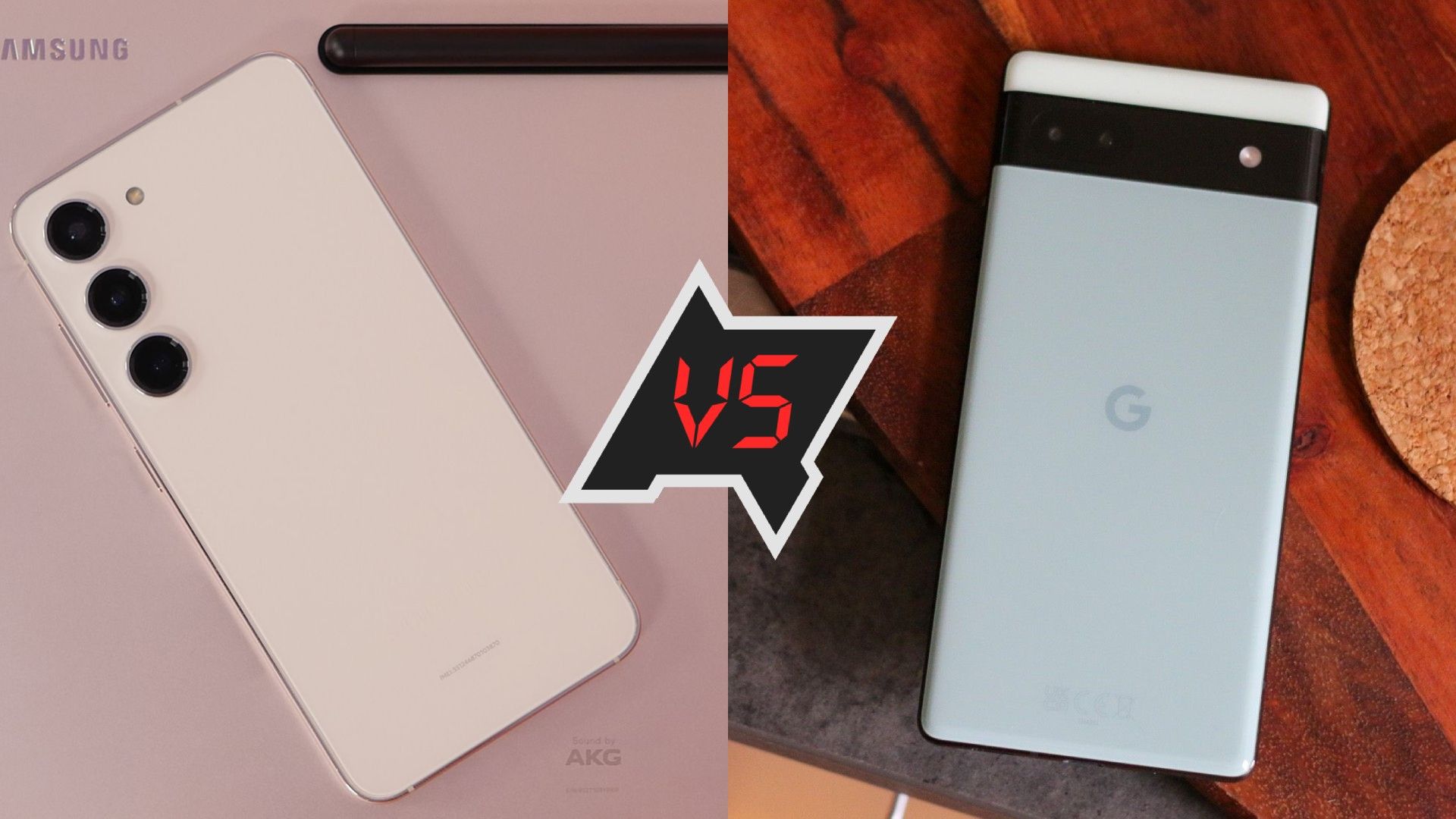
Samsung Galaxy: Samsung’s design language has evolved to a sophisticated and refined aesthetic. Modern Galaxy S series phones typically feature sleek, symmetrical designs with minimal camera bumps (or elegantly integrated ones), often utilizing Gorilla Glass Victus/Armor on both front and back, encased in an aluminum or titanium frame. They frequently offer vibrant color palettes and a sense of understated elegance. The foldable Z series, particularly the Z Fold, represents a daring leap in form factor, offering tablet-like screens in a pocketable device, albeit with the inherent trade-offs in thickness and crease visibility. Samsung prioritizes premium feel, often with highly polished finishes and precise tolerances.
Latest Android (Google Pixel): Pixel phones, especially from the Pixel 6 onwards, have carved out a distinctive visual identity. The iconic camera bar stretching across the back is instantly recognizable, providing a unique visual flair. Pixels often opt for a more utilitarian yet still premium feel, sometimes featuring matte finishes on the back glass or metal frames that offer better grip and resistance to fingerprints. Their designs tend to be bolder, more playful, and less overtly "corporate" than some Samsung offerings. While not venturing into foldables as extensively (the Pixel Fold is a niche contender), Google focuses on refining the traditional slab phone experience with thoughtful ergonomic touches.
Shared Ground: Both brands typically offer IP68 water and dust resistance, haptic feedback engines, and a commitment to durable materials. The choice here often comes down to personal aesthetic preference: do you prefer Samsung’s refined, almost jewel-like precision, or Pixel’s distinctive, often two-tone, and slightly more robust-feeling approach?
III. Display Technology: A Feast for the Eyes
This is an area where Samsung traditionally holds a significant, if not dominant, advantage, even supplying panels to many of its competitors, including Google.
Samsung Galaxy: Samsung’s Dynamic AMOLED 2X displays are widely regarded as industry-leading. They consistently offer unparalleled brightness (crucial for outdoor visibility), vibrant and accurate color reproduction, deep inky blacks (thanks to OLED technology), and incredible contrast ratios. High refresh rates (typically 120Hz) with LTPO technology ensure buttery-smooth scrolling and adaptive refresh rates to conserve battery life. Resolutions are often Quad HD+, providing exceptional sharpness. Whether it’s the flat screens of the base S series, the subtly curved edges of the Ultra, or the expansive flexible panels of the Z Fold, Samsung’s display tech is a benchmark.
Latest Android (Google Pixel): Pixel phones also boast excellent OLED displays, often sourced from Samsung itself. They offer high refresh rates (up to 120Hz), good brightness, and accurate colors. Google’s tuning often leans towards a more natural, less saturated look compared to Samsung’s sometimes punchier default settings, though both are customizable. While Pixels might not always hit the absolute peak brightness levels of Samsung’s latest flagships, they still provide a fantastic viewing experience for media consumption, gaming, and everyday use. Other "Latest Android" flagships also frequently employ high-quality OLED panels, often with similar specifications, though tuning and peak brightness can vary.
Verdict: While Pixel displays are excellent, Samsung often pushes the boundaries further in terms of raw brightness, color volume, and overall visual impact. If the absolute best display is your top priority, Samsung often takes the crown.
IV. Performance and Hardware: Power Under the Hood
Underneath the glass and metal, both contenders pack serious computational muscle, though their choices of System-on-a-Chip (SoC) differ significantly.
Samsung Galaxy: For its flagship S series, Samsung often employs Qualcomm’s latest Snapdragon 8 series chipsets (e.g., Snapdragon 8 Gen 3 for Galaxy), sometimes with custom "for Galaxy" optimizations that offer slightly higher clock speeds. In some regions (historically Europe, though this is changing), Samsung uses its in-house Exynos chips. These chips are top-tier, providing blistering speed for demanding games, seamless multitasking, and efficient AI processing. Coupled with ample RAM (8GB to 12GB, sometimes 16GB) and fast UFS storage, Galaxy phones are performance beasts.
Latest Android (Google Pixel): Google has taken a different path, developing its own Tensor chipsets (Tensor G3, G4, etc.). While not always matching the raw CPU/GPU benchmarks of the latest Snapdragons, Tensor chips are specifically designed to excel in AI and machine learning tasks, which are central to the Pixel experience. This allows for incredibly efficient on-device processing for camera features, voice recognition, language translation, and other smart functionalities. For everyday use, Pixels are incredibly fluid and responsive, but hardcore gamers or those running intensive productivity apps might notice a slight edge in sustained performance from a Snapdragon-powered Samsung. Other "Latest Android" flagships typically use the same top-tier Snapdragon chips as Samsung, offering comparable raw power.
RAM & Storage: Both offer generous RAM configurations, ensuring smooth multitasking. Storage options range from 128GB to 1TB, with UFS 3.1 or UFS 4.0 for rapid read/write speeds.
Conclusion: For raw, unadulterated processing power and gaming prowess, Snapdragon-powered Samsung flagships often have a slight edge. For an AI-driven, highly optimized software experience that prioritizes smart features, Google’s Tensor chips are perfectly tailored.
V. Camera Systems: Computational Brilliance vs. Hardware Versatility
This is arguably the most fiercely contested battleground, with both brands offering exceptional, yet distinct, photographic experiences.
Samsung Galaxy: Samsung’s camera philosophy centers on hardware versatility and vibrant, punchy output. Their Ultra models, in particular, pack an arsenal of lenses: a high-megapixel main sensor (often 108MP or 200MP), an ultrawide, and multiple telephoto lenses (e.g., 3x and 10x optical zoom, sometimes with periscope lenses for extreme reach). This allows for incredible flexibility in framing shots, from expansive landscapes to distant subjects. Samsung’s processing often boosts colors and contrast, resulting in photos that "pop" and look great on social media. Video recording is also a strong suit, with high resolutions (up to 8K), excellent stabilization, and a plethora of creative modes. Pro modes offer extensive manual control.
Latest Android (Google Pixel): Google Pixel phones are renowned for their computational photography. While their main camera sensors might not always boast the highest megapixel counts or the most extensive zoom hardware, Google’s software processing, driven by the Tensor chip, works magic. Pixels excel at natural color reproduction, incredible dynamic range, and industry-leading low-light performance (Night Sight). Features like Magic Eraser, Photo Unblur, Face Unblur, and Best Take are unique AI-powered tools that dramatically improve photos after they’re taken. The "point-and-shoot" experience on a Pixel is arguably the best in the business – you just press the shutter, and Google handles the rest, consistently delivering stunning results. Video has also significantly improved on recent Pixels, though it might not always match Samsung’s sheer feature set.
Other "Latest Android" Flagships: Brands like Xiaomi and OnePlus are also pushing boundaries. Xiaomi’s Ultra phones often feature massive main sensors, sometimes collaborating with Leica for specific color science. OnePlus, with its Hasselblad partnership, aims for natural color and a refined user experience. These devices often offer a blend of hardware prowess and sophisticated software processing, attempting to bridge the gap between Samsung’s versatility and Pixel’s computational strength.
Verdict:
- For Versatility, Zoom, and Punchy Colors: Samsung Galaxy (especially Ultra models) is hard to beat.
- For Natural Colors, Dynamic Range, Low Light, and Computational Magic (Point-and-Shoot Excellence): Google Pixel is the gold standard.
- For Video: Samsung generally offers more advanced features and higher resolutions.
The best camera depends on your priorities: do you want a versatile toolkit or a consistently brilliant point-and-shoot experience?
VI. Software Experience: One UI vs. Pure Android & AI
This is where the philosophical divide between Samsung and Google is most evident.
A. Samsung’s One UI:
Samsung’s One UI is one of the most feature-rich Android skins available. It’s built on top of Android but heavily customized, offering a vast array of functionalities, customization options, and integrations.
-
Pros:
- Feature-Packed: DeX (desktop experience), Secure Folder, Edge Panels, Bixby Routines, Smart Widgets, extensive theme engine, comprehensive always-on display customizations.
- Ecosystem Integration: Deep ties with Samsung’s ecosystem (SmartThings, Galaxy Wearables, Samsung Pay).
- Productivity: Tools like Split Screen, Pop-up View, and DeX make Samsung phones powerful productivity machines.
- AI Features (Galaxy AI): Newer models integrate advanced on-device AI for real-time translation, generative editing, summarizing notes, and more.
- Longevity: Samsung has significantly improved its update policy, now offering 7 years of OS and security updates for its latest flagships, rivaling Google.
-
Cons:
- Bloatware: Can feel a bit overwhelming with pre-installed Samsung apps and services, some of which duplicate Google’s offerings.
- Learning Curve: The sheer number of features can be daunting for new users.
- Perceived "Heaviness": While optimized, some users still perceive One UI as less "snappy" or fluid than stock Android, especially on older devices.
B. "Latest Android" (Google Pixel Experience):
The Pixel experience is synonymous with pure, unadulterated Android, augmented by Google’s cutting-edge AI and exclusive features.
-
Pros:
- Purity and Simplicity: Clean, intuitive interface (Material You design), minimal bloatware, and a focus on essential functionality.
- Speed and Fluidity: Extremely smooth animations and transitions, making the phone feel incredibly responsive.
- Timely Updates: First in line for new Android versions and monthly security patches, often with exclusive "Pixel Feature Drops."
- AI Integration: Deep integration of Google Assistant, Call Screen, Hold for Me, Live Translate, Now Playing, At a Glance widget, and other smart, proactive features that anticipate user needs.
- Security: Enhanced security with the Titan M security chip.
- Longevity: Google now offers 7 years of OS and security updates for its latest Pixels, matching Samsung.
-
Cons:
- Less Customization: Out-of-the-box, it offers fewer deep customization options compared to One UI.
- Reliance on Google Services: Heavily integrated with Google’s ecosystem, which might not appeal to everyone.
- Fewer "Power User" Features: Lacks some of the niche productivity features (like DeX) that Samsung offers.
C. Other Android Skins:
Other "Latest Android" flagships feature their own skins:
- OxygenOS (OnePlus): Historically known for speed and near-stock fluidity, it has recently converged more with ColorOS (Oppo), still offering good customization and performance.
- MIUI (Xiaomi): Highly customizable, feature-rich, and often draws inspiration from iOS in some design elements, but can sometimes suffer from inconsistent notifications or background app management.
- My UX (Motorola): Very close to stock Android, with useful Moto gestures and minimal bloat.
Verdict: This is the most subjective category. If you crave a clean, fast, AI-first experience with immediate updates, the Pixel (or near-stock Android) is for you. If you want every conceivable feature, deep customization, and a comprehensive ecosystem, Samsung’s One UI is unparalleled.
VII. Battery Life and Charging: Endurance and Convenience
Battery life and charging speeds are critical for modern smartphone users.
Samsung Galaxy: Samsung’s flagships typically offer respectable to excellent battery life, often thanks to large battery capacities (4000mAh to 5000mAh+) and efficient chipsets/LTPO displays. Charging speeds have improved but still lag behind some competitors (typically 25W-45W wired charging). Wireless charging and reverse wireless charging are standard. While not the fastest, Samsung’s charging is reliable and supports widely available standards.
Latest Android (Google Pixel): Pixel battery life has historically been a mixed bag but has significantly improved with recent generations, especially with the efficiency gains of the Tensor chip. Capacities are usually generous (4500mAh to 5000mAh+). Charging speeds are similar to Samsung, often capped around 27W-30W wired, and also feature wireless and reverse wireless charging. Google prioritizes battery health and longevity, sometimes at the expense of raw speed.
Other "Latest Android" Flagships: This is where things get interesting. Brands like OnePlus and Xiaomi often lead the pack in charging speeds, offering super-fast wired charging (e.g., 80W, 120W, or even 200W) that can fully charge a phone in minutes. However, their wireless charging speeds might vary, and some might omit reverse wireless charging.
Verdict: For overall consistent battery life, both Pixel and Samsung offer good endurance. If super-fast charging is a non-negotiable, you might find other "Latest Android" brands more appealing, as Samsung and Google prioritize battery health and longevity over extreme speed.
VIII. Ecosystem and Value-Added Features: Beyond the Phone
Both companies offer compelling ecosystems that extend the smartphone experience.
Samsung Galaxy: Samsung has a vast and mature ecosystem:
- Wearables: Galaxy Watch series (running Wear OS) and Galaxy Buds.
- Smart Home: SmartThings platform for controlling connected devices.
- Payments: Samsung Pay (with MST support in some regions/older models, now primarily NFC).
- Productivity: Samsung DeX for a desktop-like experience, multi-device continuity.
- Security: Knox security platform, offering enterprise-grade protection.
Latest Android (Google Pixel): Google’s ecosystem is equally robust, leveraging its services:
- Wearables: Pixel Watch (Wear OS) and Pixel Buds.
- Smart Home: Deep integration with Google Nest devices, Chromecast, and the broader Google Home ecosystem.
- Payments: Google Pay.
- Cross-Device Features: Fast Pair for quick accessory connection, seamless integration with Chromebooks.
- AI Services: Google Assistant, Gemini AI, and a suite of AI-powered services deeply embedded.
Verdict: Both ecosystems are excellent, but cater to slightly different needs. Samsung’s is geared towards a comprehensive, integrated suite of hardware and software (DeX, SmartThings). Google’s is more about leveraging its powerful AI and cloud services to enhance every aspect of your digital life, particularly if you’re heavily invested in Google’s other products.
IX. Price, Value, and Target Audience: Who’s It For?
The pricing strategy and target audience often define these two giants.
Samsung Galaxy: Samsung flagships are typically premium-priced, often starting at $799-$999 for the base S series and soaring well over $1,000 for the Ultra and foldable models. However, Samsung frequently offers generous trade-in deals, bundles, and promotions, making them more accessible. They cater to:
- Power Users: Those who want every feature, extensive customization, and a comprehensive ecosystem.
- Multimedia Enthusiasts: Users who prioritize the best display, versatile camera, and robust video capabilities.
- Brand Loyalists: Consumers who appreciate Samsung’s consistent quality and innovation.
- Early Adopters: Especially for the Z Fold/Flip series.
Latest Android (Google Pixel): Pixel phones often position themselves as offering flagship experiences at a slightly more competitive price point than some ultra-premium competitors, though recent "Pro" models are closing the gap. Base Pixel models can start around $599-$699, with Pro models going up to $999-$1199. They appeal to:
- Android Purists: Those who prefer a clean, bloatware-free software experience.
- Photography Enthusiasts: Users who want the best point-and-shoot camera with computational magic.
- AI Innovators: People who value cutting-edge AI features and smart integrations.
- Timely Update Seekers: Users who want to be first in line for the latest Android versions and security patches.
- Value Seekers: Those looking for a premium experience without necessarily paying the absolute highest prices.
Other "Latest Android" Flagships: These vary widely. Some brands offer "flagship killers" that undercut Samsung and Google on price while delivering top-tier specs (e.g., base OnePlus models). Others, like Xiaomi’s Ultra phones, compete directly at the highest price points, often boasting unique hardware innovations.
Value Proposition: Both offer excellent value, but in different ways. Samsung offers value through sheer feature density, hardware versatility, and a robust ecosystem. Google offers value through its unparalleled software experience, AI prowess, and consistently excellent camera at a (sometimes) more accessible price.
X. Conclusion: The Right Android for You
The "Latest Android" vs. "Samsung Galaxy" debate isn’t about a single winner; it’s about identifying the perfect fit for your specific needs and preferences.
Choose Samsung Galaxy if:
- You want the most feature-rich Android experience with extensive customization.
- You prioritize an industry-leading display with maximum brightness and vibrant colors.
- You need a highly versatile camera system with powerful zoom capabilities and excellent video.
- You’re deeply embedded in the Samsung ecosystem (watches, earbuds, SmartThings).
- You appreciate premium, refined hardware design and potentially innovative form factors like foldables.
- You need desktop-like functionality with DeX.
Choose "Latest Android" (Google Pixel) if:
- You desire a clean, pure, and fast Android experience with minimal bloatware.
- You prioritize cutting-edge AI features and smart integrations that anticipate your needs.
- You want the best point-and-shoot camera with natural colors, incredible low-light performance, and computational magic.
- You value immediate software and security updates directly from Google.
- You prefer a distinctive design aesthetic that stands out.
- You are heavily invested in Google’s services and ecosystem.
Ultimately, both Samsung and Google represent the pinnacle of Android innovation, each pushing the boundaries in their own unique ways. Samsung offers a comprehensive, feature-packed powerhouse built on unparalleled hardware. Google offers an intelligent, streamlined companion driven by software excellence and AI. Your ideal smartphone isn’t just a collection of specs; it’s an extension of yourself. By understanding these fundamental differences, you can confidently choose the Android champion that best serves your digital life.