
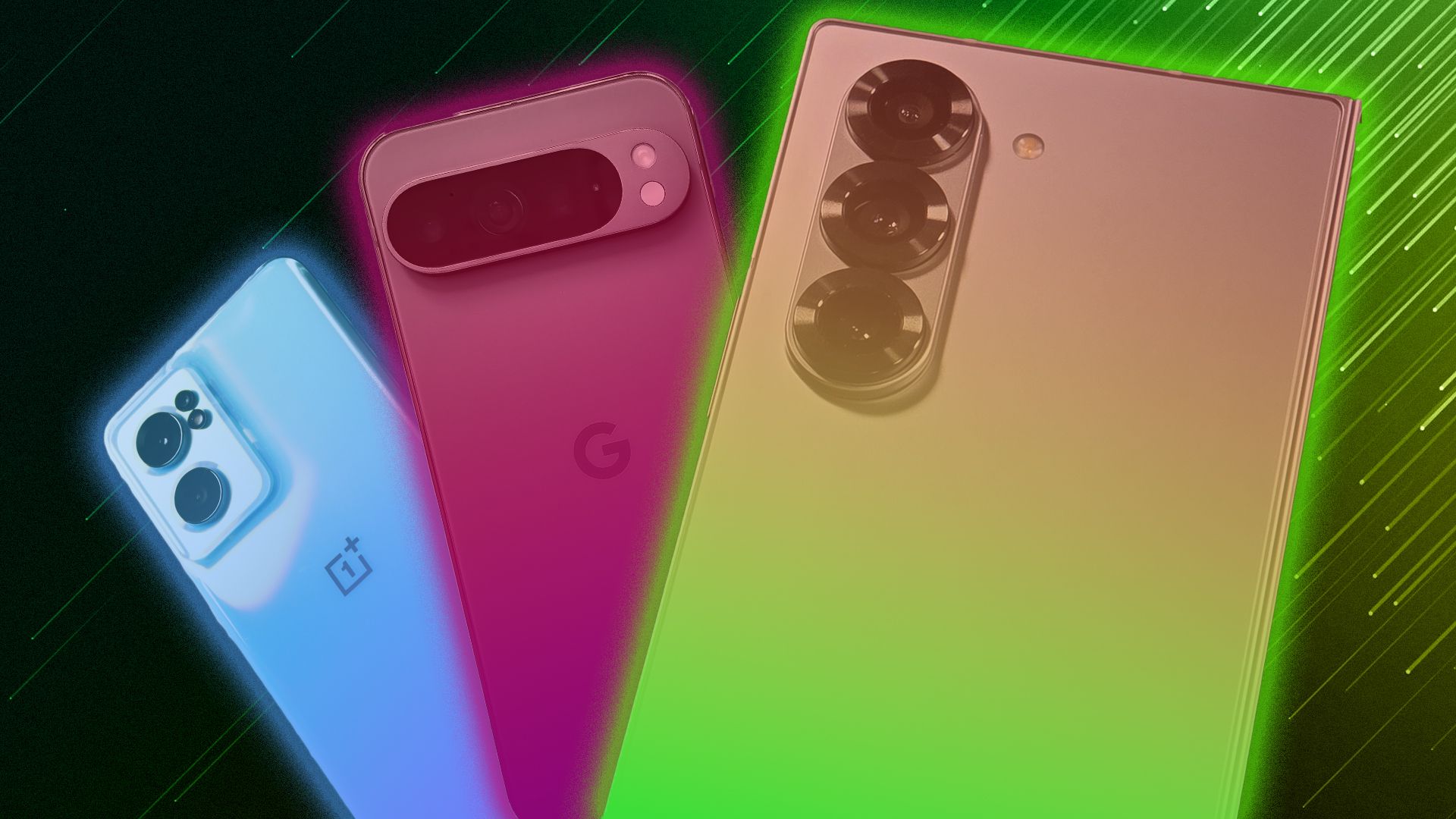
The Canvas of Tomorrow: A Deep Dive into Latest Android Flagship Display Quality
In the fiercely competitive arena of modern smartphones, where processing power often reaches parity and camera systems jostle for incremental gains, the display remains the most direct and intimate interface between user and device. It is the window to our digital lives, the canvas for our content, and the primary conduit for information. For Android flagship phones, the pursuit of display perfection is an relentless journey, pushing the boundaries of visual fidelity, responsiveness, and user comfort.
This comprehensive review delves into the intricate world of the latest Android flagship displays, dissecting the technologies, metrics, and user experiences that define excellence in 2024. From groundbreaking brightness levels and impeccable color accuracy to adaptive refresh rates and innovative anti-reflective coatings, we explore how these devices are not just showing us pixels, but crafting immersive, vibrant, and incredibly comfortable visual journeys.
The Pillars of Display Excellence: What Defines a World-Class Screen?
Before we dive into specific models, it’s crucial to understand the fundamental attributes that collectively determine a display’s quality. These pillars are the benchmarks against which every flagship screen is measured:
-
Panel Technology: The Reign of OLED and LTPO
- OLED (Organic Light-Emitting Diode): This technology remains the undisputed king for smartphone displays. Unlike LCDs, OLED pixels emit their own light, allowing for true, infinite blacks (by simply turning off pixels), unparalleled contrast ratios, and vibrant colors. This inherent advantage creates a sense of depth and realism that LCDs simply cannot match.
- AMOLED (Active-Matrix Organic Light-Emitting Diode): A refinement of OLED, AMOLED panels offer faster pixel response times, crucial for smooth animations and gaming.
- LTPO (Low-Temperature Polycrystalline Oxide): This is the game-changer for modern flagships. LTPO backplanes enable variable refresh rates, allowing the display to dynamically adjust its refresh rate from as low as 1Hz (for static content like Always-On Display) to 120Hz (for scrolling or gaming). This intelligent adaptation drastically reduces power consumption without compromising fluidity, a critical factor for battery life in high-refresh-rate devices. The latest iterations, like LTPO 3.0 or 4.0, offer even finer granular control.
-
Resolution & Pixel Density: Sharper Than the Eye Can See
- Most Android flagships have settled on QHD+ (Quad High Definition Plus) resolutions, typically around 1440 x 3200 pixels. While some devices offer 1080p as a default or power-saving option, the higher resolution provides noticeably sharper text and finer details, especially on larger screens.
- PPI (Pixels Per Inch): This metric indicates pixel density. At typical viewing distances, anything above 400-450 PPI is generally considered "Retina" quality, meaning individual pixels are indistinguishable to the naked eye. Flagships often exceed 500 PPI, offering an incredibly crisp and immersive visual experience.
-
Brightness & HDR: Punching Through the Glare
- Nits (cd/m²): The standard unit for measuring brightness. Modern flagships routinely hit 1000-1500 nits for typical usage (High Brightness Mode or HBM) and peak brightness levels exceeding 2500 nits, sometimes even touching 4000-5000 nits, for short bursts when displaying HDR content or under direct sunlight.
- HDR (High Dynamic Range): Support for standards like HDR10, HDR10+, and Dolby Vision is paramount. HDR content leverages the display’s extreme brightness and contrast capabilities to render scenes with a much wider range of light and shadow, resulting in more lifelike and impactful visuals. High peak brightness is crucial for an effective HDR experience, making highlights pop and shadows retain detail.
-
Color Accuracy & Gamut: True to Life
- Color Gamut: Refers to the range of colors a display can reproduce. Key standards include sRGB (standard internet content), DCI-P3 (digital cinema standard, wider than sRGB), and BT.2020 (a much wider future standard). Flagships typically cover 100% of DCI-P3, offering a rich palette.
- Color Accuracy (Delta-E): This metric quantifies the difference between the displayed color and the true color. A Delta-E value below 2 is generally considered excellent, indicating colors that are virtually indistinguishable from their true representation. Flagships often achieve Delta-E values well below 1, particularly in their "natural" or "pro" display modes.
- Color Management: The ability of the display to automatically switch between color profiles (e.g., sRGB for web browsing, DCI-P3 for HDR video) ensures content is always displayed as intended by the creator.
-
Refresh Rates & Smoothness: A Fluid Experience
- 120Hz Refresh Rate: The standard for flagship smoothness. A 120Hz display refreshes its image 120 times per second, twice as fast as a traditional 60Hz screen. This results in incredibly fluid scrolling, buttery-smooth animations, and a significant advantage in competitive mobile gaming.
- Adaptive Refresh (LTPO): As mentioned, LTPO intelligently scales the refresh rate, preserving battery life without sacrificing the 120Hz experience when it matters most.
-
Viewing Angles & Uniformity: Consistency Across the Screen
- Viewing Angles: A good display should exhibit minimal color shift or brightness degradation when viewed from off-angles. OLED panels generally excel here.
- Uniformity: The consistency of brightness and color across the entire screen. Poor uniformity can manifest as patches of uneven brightness or color tinting, especially noticeable on solid backgrounds.
-
Touch Responsiveness & Latency: Instant Feedback
- Touch Sampling Rate: How often the screen registers touch input (e.g., 240Hz, 360Hz). Higher rates lead to more precise and immediate responses, vital for gaming.
- Touch Latency: The delay between a touch input and the display’s reaction. Lower latency means a more direct and engaging interaction.
-
PWM Dimming & Eye Comfort: Beyond the Visuals
- PWM (Pulse Width Modulation) Dimming: How most OLED screens reduce brightness. By rapidly switching the display on and off, it creates an average brightness. At low frequencies, some sensitive individuals can perceive this flicker, leading to eye strain, headaches, or fatigue.
- High-Frequency PWM / DC Dimming: To mitigate PWM issues, manufacturers are adopting higher PWM frequencies (e.g., above 1000Hz or even 2000Hz) or implementing DC Dimming, which reduces brightness by lowering the voltage rather than flickering. This is a crucial, often overlooked, aspect of long-term display comfort.
-
Durability & Design: Protection Meets Aesthetics
- Glass Technology: Corning Gorilla Glass Victus, Victus 2, or the latest Armor, as well as Ceramic Shield variants, offer superior scratch and drop resistance.
- Curved vs. Flat: While curved displays (waterfall or subtle curves) offer a more "bezel-less" and immersive aesthetic, flat displays are generally preferred by gamers and those who prioritize usability, as they reduce accidental touches and distortion at the edges.
The Contenders: A Look at the Latest Android Flagship Displays
Now, let’s examine how some of the leading Android flagships integrate these technologies to deliver their unique display experiences.
1. Samsung Galaxy S24 Ultra: The Undisputed Brightness King
Samsung has consistently set the benchmark for mobile displays, and the Galaxy S24 Ultra is no exception. Its "Dynamic AMOLED 2X" display is a technical marvel.
- Brightness: This is where the S24 Ultra truly shines, boasting an astonishing peak brightness of 2600 nits (some tests even report higher in specific scenarios). This makes it incredibly legible even under direct midday sun and provides an absolutely breathtaking HDR experience, with highlights that pop with unparalleled intensity.
- Anti-Reflective Coating: A standout feature is its new "Corning Gorilla Armor" glass, which incorporates a revolutionary anti-reflective coating. This significantly reduces reflections, making the screen much more usable in brightly lit environments and improving overall contrast. It’s a subtle but profoundly impactful improvement to the user experience.
- Color Accuracy: As expected from Samsung, color reproduction is superb, with multiple modes to choose from (Vivid, Natural). The Natural mode offers incredibly accurate sRGB and DCI-P3 coverage, often achieving Delta-E values well below 1.
- LTPO: Equipped with LTPO 3.0, it offers a variable refresh rate from 1Hz to 120Hz, ensuring optimal smoothness and power efficiency.
- Resolution: A crisp QHD+ (3120 x 1440 pixels) resolution with a high pixel density (505 PPI) ensures text and images are razor-sharp.
- Design: Samsung has opted for a flatter display on the S24 Ultra compared to its predecessors, a welcome change for many users who prefer less edge distortion and easier stylus interaction.
Verdict: The S24 Ultra’s display is arguably the most technically impressive on the market, particularly its class-leading brightness and groundbreaking anti-reflective capabilities. It offers a vibrant, immersive, and highly usable experience in any lighting condition.
2. Google Pixel 8 Pro: Natural Hues and Exceptional Calibration
Google’s "Actua Display" on the Pixel 8 Pro might not chase the absolute peak brightness numbers of Samsung, but it focuses on delivering a balanced, natural, and incredibly consistent visual experience.
- Brightness: While not 2600 nits, the Pixel 8 Pro’s display is still exceptionally bright, peaking at 2400 nits for HDR content and around 1600 nits for HBM. This is more than enough for excellent outdoor visibility and impactful HDR.
- Color Accuracy: Google’s strength lies in its meticulous calibration. The Pixel 8 Pro delivers incredibly accurate colors, often lauded for its natural and true-to-life rendition. Delta-E values are consistently among the best in the industry, especially in its default "Adaptive" mode.
- LTPO: It features a sophisticated LTPO implementation, dynamically adjusting from 1Hz to 120Hz, providing a smooth experience with excellent power efficiency.
- Resolution: QHD+ (1344 x 2992 pixels) ensures high detail, though slightly lower than Samsung’s specific pixel count.
- Eye Comfort: Google often prioritizes user comfort, and the Pixel 8 Pro’s display is designed to be easy on the eyes, though specific PWM frequencies aren’t always explicitly advertised, user reports generally point to good comfort levels.
Verdict: The Pixel 8 Pro’s display might not grab headlines with sheer numbers, but its strength lies in its sublime calibration, natural color science, and overall visual consistency. It’s a display that prioritizes accuracy and a pleasing, comfortable viewing experience over hyper-vibrancy.
3. OnePlus 12: A Value Flagship Pushing Boundaries
OnePlus has historically offered competitive displays, and the OnePlus 12, with its "X1 (Oriental Jade)" panel, continues this tradition, often challenging more expensive rivals.
- Brightness: The OnePlus 12 boasts an incredible peak brightness of 4500 nits for HDR content, making it one of the brightest displays on the market, even surpassing Samsung in raw peak output. HBM is also very strong, often around 1600 nits.
- Color Accuracy: OnePlus has significantly improved its color calibration, with the 12 offering excellent accuracy in its professional modes, covering 100% DCI-P3.
- LTPO: It features an advanced LTPO 4.0 panel, offering ultra-fine 1-120Hz adaptive refresh rate control for superior power efficiency and smoothness.
- PWM Dimming: A notable feature is its high-frequency PWM dimming (2160Hz), which significantly reduces flicker and is a boon for users sensitive to PWM, making it very comfortable for extended use at low brightness.
- Resolution: A crisp QHD+ (3168 x 1440 pixels) resolution contributes to a sharp visual experience.
Verdict: The OnePlus 12 offers a truly top-tier display experience, particularly excelling in peak brightness and eye comfort thanks to its high-frequency PWM dimming. It represents incredible value for its display capabilities.
4. Xiaomi 14 Ultra / OPPO Find X7 Ultra / Vivo X100 Pro: The Chinese Powerhouses
Chinese manufacturers like Xiaomi, OPPO, and Vivo are increasingly pushing the envelope with their flagship displays, often debuting cutting-edge technology before or concurrently with established giants.
- Xiaomi 14 Ultra: Features a "C8" LTPO AMOLED panel co-developed with TCL CSOT. It boasts a peak brightness of 3000 nits, QHD+ resolution, and excellent color accuracy. Xiaomi also emphasizes its advanced color management system.
- OPPO Find X7 Ultra: Similarly, the Find X7 Ultra features a top-tier LTPO display with exceptional brightness (peak 4500 nits), QHD+ resolution, and highly accurate color reproduction. OPPO often focuses on uniform brightness and color consistency.
- Vivo X100 Pro: While often sticking to 1.5K (slightly lower than QHD+) resolution, Vivo’s displays are known for their vibrant colors, high brightness (up to 3000 nits), and excellent LTPO implementations. They often prioritize visual pop and immersive viewing, especially for multimedia.
Verdict: These Chinese flagships are no longer playing catch-up; they are leading in many display metrics, particularly in raw peak brightness and advanced LTPO integration. They offer compelling alternatives for those seeking cutting-edge visual experiences.
Emerging Trends and the Future of Mobile Displays
The journey towards display perfection is ongoing. Here are some trends and future possibilities:
- Under-Display Cameras (UDC): While Samsung has introduced it on foldables and ZTE on slab phones, UDC technology for front cameras is still maturing. Current implementations often involve a visible pixel grid over the camera area and slight compromises in camera quality. Future advancements aim to make the UDC truly invisible and indistinguishable from the surrounding display.
- Even Higher Brightness & Dynamic Range: The race for nits continues, further enhancing HDR content and outdoor visibility.
- Improved Anti-Reflective Coatings: Samsung’s Gorilla Armor is a significant step, but expect other manufacturers to follow suit with increasingly effective solutions to combat glare.
- Micro-Lens Array (MLA) Technology: Already seen in some panels, MLA can significantly increase brightness and efficiency by redirecting light more effectively, without increasing power consumption.
- More Granular LTPO Control: Finer-tuned refresh rate adjustments, potentially reaching sub-1Hz levels for specific use cases, will further optimize power.
- Adaptive Color Temperature & Tone Mapping: Building on existing features like "True Tone," displays will become even more intelligent, dynamically adjusting color temperature and contrast based on ambient lighting and content, to reduce eye strain and enhance realism.
- Foldables & Rollables: These form factors present unique display challenges (crease, durability, ultra-thin glass) but are constantly improving, offering new paradigms for screen usage. The quality of foldable displays is rapidly catching up to their rigid counterparts.
- Integration with AI: AI could be used to optimize display settings in real-time based on user preferences, content type, and environmental conditions, offering a truly personalized visual experience.
Conclusion: A Feast for the Eyes
The latest Android flagship displays represent the pinnacle of mobile visual technology. Gone are the days of compromise; users can now expect displays that are not only incredibly bright and vibrant but also meticulously color-accurate, buttery-smooth, and surprisingly comfortable for extended use.
The competition is fierce, benefiting consumers immensely. Samsung continues to innovate with class-leading brightness and groundbreaking anti-reflective coatings. Google champions natural accuracy and consistent performance. OnePlus delivers exceptional value with high-frequency PWM and dazzling peak brightness. Meanwhile, Chinese manufacturers are pushing the boundaries with sheer numbers and rapid technological adoption.
Ultimately, the "best" display often comes down to personal preference – whether you prioritize hyper-vibrancy, absolute color accuracy, eye comfort, or sheer brightness. However, one thing is clear: the canvas on which we experience our digital lives has never been more breathtaking, responsive, and intelligently designed. The current generation of Android flagship displays isn’t just about showing pixels; it’s about crafting an immersive, comfortable, and visually stunning journey into the heart of our connected world.
