The Android Odyssey: Navigating Price vs. Features in the Latest Smartphone Landscape
The modern smartphone market is a dizzying kaleidoscope of innovation, where every new release promises revolutionary features and unparalleled performance. For Android users, this choice is even more expansive, ranging from ultra-premium foldable devices pushing technological boundaries to budget-friendly handsets offering incredible value. This vast ecosystem presents both an opportunity and a challenge: how does one discern genuine value amidst a sea of specifications and marketing hype?
This article delves into a comprehensive analysis of the latest Android phone prices versus their feature sets, aiming to demystify the complex relationship between cost and capability. We will explore the key feature categories, understand their impact on pricing, and dissect how different price tiers cater to varying user needs and expectations. Our goal is to equip you with the knowledge to make an informed decision, ensuring your next Android phone perfectly aligns with your lifestyle and budget, rather than simply succumbing to the most expensive or feature-laden option.
The Ever-Evolving Android Landscape
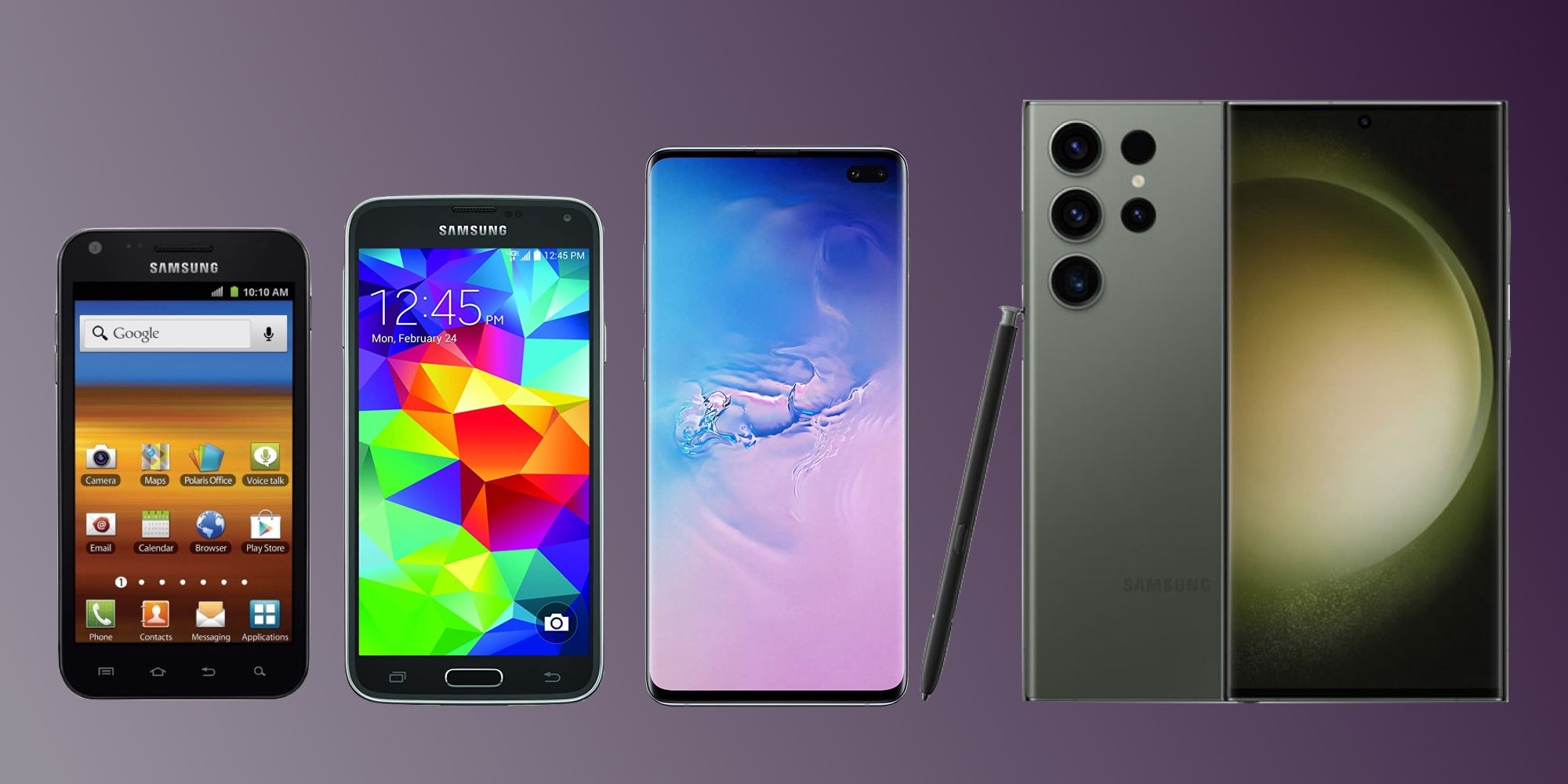
Before diving into the specifics, it’s crucial to acknowledge the dynamic nature of the Android market. Unlike the more controlled Apple ecosystem, Android boasts a multitude of manufacturers – Samsung, Google, OnePlus, Xiaomi, Oppo, Vivo, and many others – each with their unique design philosophies, software skins, and pricing strategies. This diversity fosters fierce competition, driving innovation but also creating a fragmented market where a feature present in a mid-range phone from one brand might be exclusive to a flagship from another.
The "latest" in Android also refers to a continuous cycle. New processors, camera sensors, display technologies, and battery innovations are introduced several times a year, constantly shifting the goalposts for what constitutes "cutting-edge." Our analysis will focus on the general trends and capabilities seen in phones released within the last 12-18 months, representing the current state of the art across various price points.
Deconstructing the Features: What Drives the Price?
To understand why some phones cost significantly more than others, we must break down the core components and capabilities that define a modern smartphone experience. Each of these features comes with its own manufacturing cost, research and development investment, and perceived value, directly influencing the final retail price.
1. Display Technology: The Window to Your Digital World
The screen is arguably the most interactive component of any smartphone, and its quality profoundly impacts user experience.
- Panel Type (LCD vs. OLED/AMOLED):
- LCD (Liquid Crystal Display): Cheaper to produce, often found in budget and some mid-range phones. Offers good colors but typically has lower contrast and brightness, and "black" areas are usually dark grey due to backlighting.
- OLED/AMOLED (Organic Light-Emitting Diode / Active Matrix OLED): Each pixel emits its own light, allowing for perfect blacks, infinite contrast, vibrant colors, and often higher brightness. This premium technology is a staple in mid-range to flagship devices.
- Resolution (FHD+ vs. QHD+):
- FHD+ (Full High Definition Plus – e.g., 1080 x 2400 pixels): Standard for most phones, offering excellent sharpness for most users.
- QHD+ (Quad High Definition Plus – e.g., 1440 x 3200 pixels): Found predominantly in high-end flagships, providing even sharper text and images, especially noticeable on larger screens or for VR applications. The increased pixel count consumes more power.
- Refresh Rate (60Hz, 90Hz, 120Hz, Adaptive):
- 60Hz: Standard, smooth enough for most.
- 90Hz/120Hz: Offers significantly smoother scrolling, animations, and gaming. A noticeable upgrade in fluidity. High refresh rates increase power consumption.
- Adaptive Refresh Rate (LTPO): Found in premium flagships, these displays can dynamically adjust the refresh rate from as low as 1Hz (for static images) to 120Hz (for scrolling/gaming), optimizing battery life without sacrificing smoothness.
- Brightness (Nits): Higher nits (e.g., 1000+ for peak brightness) means better outdoor visibility and more impactful HDR content. Flagships often boast peak brightness levels exceeding 1500-2000 nits.
- Other Factors: Color accuracy, HDR support, Gorilla Glass protection, under-display fingerprint sensors (more common with OLED).
Price Impact: Moving from LCD to OLED, increasing resolution, higher refresh rates, and adaptive technologies progressively increase the display’s contribution to the phone’s overall cost.
2. Processor & Performance: The Brains of the Operation
The System-on-a-Chip (SoC) is the heart of the phone, integrating the CPU, GPU, NPU (Neural Processing Unit for AI tasks), and modem.
- Manufacturers: Qualcomm (Snapdragon), MediaTek (Dimensity), Samsung (Exynos), and Google (Tensor) are the primary players.
- Tiering:
- Entry-Level (Snapdragon 4xx, MediaTek Helio Gxx/Dimensity 6xx): Designed for basic tasks, social media, light browsing. Performance for demanding games or heavy multitasking will be limited.
- Mid-Range (Snapdragon 6xx/7xx, MediaTek Dimensity 8xx/9xx): Offers a good balance of performance and efficiency. Capable of handling most daily tasks, decent gaming, and smooth UI.
- Premium/Flagship (Snapdragon 8 Gen X, MediaTek Dimensity 9xxx, Google Tensor, latest Exynos): Top-tier performance for demanding games, complex AI tasks, advanced camera processing, and seamless multitasking. These chips are significantly more expensive to manufacture and integrate.
- RAM (Random Access Memory): Affects multitasking and app loading speeds.
- 4GB-6GB: Sufficient for basic users.
- 8GB-12GB: Ideal for power users and heavy gamers.
- 16GB+: Overkill for most, found in ultra-premium or gaming-focused devices.
- Storage (ROM): Affects how many apps, photos, and videos you can store.
- 64GB/128GB: Entry-level.
- 256GB/512GB: Common for mid-range and flagships.
- 1TB+: Ultra-premium.
- Storage Type (UFS 2.x vs. UFS 3.x vs. UFS 4.0): Newer standards offer significantly faster read/write speeds, making app loading and file transfers quicker.
Price Impact: The latest, most powerful SoCs, combined with ample and fast RAM/storage, are major cost drivers.
3. Camera System: Capturing Moments, Demanding Investment
The smartphone camera has become a primary selling point, and manufacturers pour significant R&D into this area.
- Sensor Size & Megapixels (MP):
- MP count isn’t everything: While higher MPs can capture more detail, a larger sensor size (e.g., 1/1.3-inch or larger) is more crucial for better low-light performance and natural depth of field.
- Pixel Binning: Many high-MP sensors (e.g., 50MP, 108MP, 200MP) use pixel binning to combine data from multiple pixels into one larger "super pixel," improving light gathering and dynamic range, especially in challenging conditions.
- Optical Image Stabilization (OIS): Crucial for sharper photos in low light and smoother video. Found in mid-range to flagship main cameras, and often on telephoto lenses in premium devices.
- Multiple Lenses:
- Ultrawide: For expansive landscape shots or fitting more into the frame. Quality varies significantly.
- Telephoto: For optical zoom without losing detail. Premium phones offer 2x, 3x, 5x, or even 10x optical zoom, often with OIS. Periscope telephoto lenses enable even higher magnifications.
- Macro/Depth Sensors: Often included in budget phones, these are generally less useful than dedicated ultrawide or telephoto lenses.
- Computational Photography: This is where software magic happens. AI algorithms enhance images, improve dynamic range, reduce noise, and enable features like Night Mode, Portrait Mode, and Astrophotography. Google Pixel phones are renowned for their computational photography.
- Video Capabilities: 4K@60fps, 8K recording, advanced stabilization, cinematic modes, and pro video controls.
- Front Camera: Megapixels, autofocus, OIS (rare but exists in some flagships).
Price Impact: Large, high-quality main sensors, multiple lenses (especially OIS-equipped telephoto), advanced computational photography, and sophisticated video capabilities significantly increase the phone’s cost.
4. Battery Life & Charging: Powering Your Day
While battery capacity (mAh) is a key metric, optimization and charging speed are equally important.
- Capacity (mAh): Generally, larger numbers mean longer battery life, but screen size, processor efficiency, and software optimization play a huge role. (e.g., 4500mAh – 5000mAh is common).
- Fast Charging (W): How quickly your phone recharges.
- Budget: 10W-18W (slow).
- Mid-Range: 25W-67W (decent to fast).
- Flagship: 80W-120W+ (blazingly fast, often charging to 100% in under 30 minutes). Some brands push even higher. Requires specialized chargers.
- Wireless Charging: Convenient, but slower than wired charging. Usually found in mid-range to premium devices.
- Reverse Wireless Charging: Allows the phone to wirelessly charge other devices (e.g., earbuds). Exclusive to high-end flagships.
Price Impact: Higher wattage fast charging (especially with proprietary technology), wireless charging, and reverse wireless charging add to the manufacturing cost.
5. Build Quality & Design: Aesthetics and Durability
The materials and craftsmanship determine the phone’s feel and longevity.
- Materials:
- Plastic: Common in budget and some mid-range phones. Durable and lighter, but feels less premium.
- Glass (Gorilla Glass, etc.): Standard for mid-range to flagships, offering a premium feel but susceptible to cracking.
- Metal (Aluminum, Stainless Steel): Used for frames in mid-range and flagships, providing rigidity and a premium touch. Titanium is now appearing in ultra-premium devices.
- Water & Dust Resistance (IP Rating):
- No rating/Basic splash resistance: Budget phones.
- IP53/IP54: Basic dust and splash protection (some mid-range).
- IP67/IP68: High level of dust and water immersion protection (premium mid-range and flagships).
- Form Factor: Standard slab, flip, fold (expensive!), gaming phones, etc.
- Haptics: Quality of the vibration motor. Premium phones use sophisticated haptic motors for nuanced feedback.
- Speakers: Stereo speakers are common; flagship phones offer superior audio quality and volume.
Price Impact: Premium materials, high IP ratings, sophisticated haptics, and innovative form factors (like foldables) are significant cost escalators.
6. Software Experience & Updates: More Than Just Android
Beyond the core Android operating system, the manufacturer’s software skin and commitment to updates play a crucial role.
- UI Skins: One UI (Samsung), OxygenOS (OnePlus), Pixel UI (Google), MIUI (Xiaomi), ColorOS (Oppo), etc. These customize the look, feel, and add features.
- Update Policy: How many major Android OS updates and security updates will the phone receive, and for how long?
- Budget: Often limited to 1-2 OS updates, shorter security patch support.
- Mid-Range: 2-3 OS updates, 3-4 years of security.
- Flagship: 4-5 OS updates, 5-7 years of security (e.g., Samsung, Google Pixel). This longevity adds long-term value.
- Bloatware: Pre-installed apps that can sometimes be removed. Less prevalent on Pixel phones.
Price Impact: While software itself isn’t a direct hardware cost, long-term software support and development of a polished UI skin represent significant ongoing investment by manufacturers, which is factored into flagship pricing.
7. Connectivity & Other Features: The Ecosystem Enablers
- 5G: Essential for future-proofing. Different bands (sub-6GHz, mmWave) affect cost and availability.
- Wi-Fi 6/6E/7: Faster and more efficient wireless networking.
- Bluetooth (5.2, 5.3): Latest versions offer better range, speed, and audio quality.
- NFC: For contactless payments.
- UWB (Ultra-Wideband): For precise spatial awareness (e.g., digital car keys, finding trackers). Exclusive to flagships.
- Headphone Jack: Increasingly rare, primarily found in budget and some mid-range phones.
- IR Blaster: Allows the phone to act as a universal remote. Found in some Xiaomi/Poco phones.
- Stylus Support (e.g., S Pen): Adds significant functionality, but also cost (often bundled with specific models like Samsung’s Ultra series).
Price Impact: Inclusion of the latest connectivity standards and niche features like UWB or stylus integration adds to the overall cost.
Price Tiers: Where Features Align with Budgets
Now, let’s analyze how these features coalesce within different price segments, reflecting the compromises and priorities of each tier.
1. Ultra-Premium Flagships (Typically $1000+)
- Examples: Samsung Galaxy S24 Ultra, Google Pixel 8 Pro, OnePlus 12, Foldables (Galaxy Z Fold/Flip series), Gaming Phones (ROG Phone).
- Features:
- Display: Top-tier QHD+ LTPO AMOLED (1Hz-120Hz), extreme peak brightness, best color accuracy, Gorilla Glass Victus/Armor protection.
- Processor: Latest Snapdragon 8 Gen X or equivalent (Tensor G3, Dimensity 9300), 12GB-16GB RAM, UFS 4.0 storage. Uncompromised performance.
- Camera: Large main sensors (often 1/1.3" or larger, 50MP+), OIS on multiple lenses, advanced ultrawide, dedicated telephoto (often 3x, 5x, 10x periscope), best computational photography, 8K video. The most versatile and capable camera systems.
- Battery & Charging: Large capacities, fastest wired charging (100W+), wireless charging, reverse wireless charging.
- Build: Premium materials (glass, aluminum, titanium), IP68 water/dust resistance, sophisticated haptics, stereo speakers.
- Software: Guaranteed long-term software and security updates (5-7 years).
- Connectivity: All latest standards (5G, Wi-Fi 7, Bluetooth 5.3, UWB, NFC).
- Unique Features: Stylus integration, foldable screens, advanced cooling systems for gaming.
- Analysis: These phones represent the pinnacle of current smartphone technology. They make virtually no compromises, offering the best of everything. The high price reflects cutting-edge R&D, premium materials, and often a brand’s halo product status. They are for users who demand the absolute best in every category, require specialized features, or want the longest possible device longevity through updates.
2. Premium Flagships / "Value Flagships" (Typically $700 – $1000)
- Examples: Samsung Galaxy S24/S24+, Google Pixel 8, OnePlus 12R, Xiaomi 14.
- Features:
- Display: Excellent FHD+ or QHD+ LTPO AMOLED (often 10Hz-120Hz), high brightness, strong glass protection. Very close to ultra-premium, sometimes just a slight dip in peak brightness or lowest refresh rate.
- Processor: Often the latest Snapdragon 8 Gen X (or last year’s flagship SoC for better value), 8GB-12GB RAM, UFS 3.1/4.0 storage. Still incredibly fast for all tasks.
- Camera: Very capable main sensor (often with OIS), good ultrawide, sometimes a decent telephoto (2x-3x optical zoom) but might lack a periscope. Strong computational photography. Excellent for most users.
- Battery & Charging: Good capacity, fast wired charging (often 60W-100W), wireless charging is common, reverse wireless less so.
- Build: Premium materials (glass, aluminum), IP67/IP68 rating.
- Software: Good software support (4-5 years of updates).
- Connectivity: Latest 5G, Wi-Fi 6E/7, Bluetooth 5.3, NFC.
- Analysis: This segment often represents the "sweet spot" for many users. You get 90% of the flagship experience at a significantly reduced price. Manufacturers make intelligent compromises, perhaps using last year’s top-tier chip, a slightly less versatile camera array, or slower wireless charging. These phones are fantastic performers for virtually everyone and offer exceptional long-term value.
3. Mid-Range Powerhouses (Typically $400 – $700)
- Examples: Samsung Galaxy A55, Google Pixel 7a, Nothing Phone (2a), Redmi Note series, Poco X series.
- Features:
- Display: Excellent FHD+ AMOLED (often 90Hz or 120Hz), good brightness, decent glass protection. A significant upgrade from budget LCDs.
- Processor: Capable mid-range SoCs (Snapdragon 7 Gen X, Dimensity 8000 series). Excellent for daily tasks, social media, light to moderate gaming.
- Camera: Very good main camera (often 50MP with OIS), usable ultrawide, macro/depth sensors that are often less impactful. Lacks true telephoto. Strong computational photography for the main sensor.
- Battery & Charging: Large battery capacities (often 5000mAh+), good fast wired charging (25W-67W). Wireless charging is rare but starting to appear in higher-end mid-rangers.
- Build: Often plastic frame with glass back, sometimes IP53/IP54 rating for splash resistance. Stereo speakers are common. Headphone jack might still be present.
- Software: Decent software support (2-3 OS updates, 3-4 years security).
- Connectivity: 5G, Wi-Fi 5/6, Bluetooth 5.2, NFC.
- Analysis: This is where you find the most "value for money." These phones excel in one or two key areas (e.g., camera or battery) while making smart compromises elsewhere. They offer a premium-feeling display, reliable performance for most users, and a solid camera experience, making them suitable for the vast majority of consumers who don’t need the absolute bleeding edge.
4. Budget / Entry-Level Phones (Typically <$400)
- Examples: Samsung Galaxy A15/A25, Redmi series, Moto G series, some Nokia models.
- Features:
- Display: Often FHD+ LCD or basic AMOLED (60Hz or 90Hz), lower brightness. Still perfectly usable for content consumption.
- Processor: Entry-level SoCs (Snapdragon 4 Gen X, MediaTek Helio G series). Sufficient for basic communication, social media, web browsing, and very light gaming.
- Camera: Usable main camera (often 48MP or 50MP, rarely with OIS), often accompanied by less useful macro/depth sensors. Image quality suffers in challenging conditions.
- Battery & Charging: Often very large battery capacities (5000mAh+), but slower wired charging (10W-18W).
- Build: Mostly plastic construction, no official IP rating. Headphone jack is common.
- Software: Limited software updates (1-2 OS updates, shorter security support).
- Connectivity: Often 4G, some now offer basic 5G. Wi-Fi 5, Bluetooth 5.0/5.1, NFC is hit-or-miss.
- Analysis: These phones prioritize affordability and essential smartphone functionality. They provide a reliable communication device, access to apps, and a decent screen for casual use. Compromises are significant across the board, particularly in camera performance, processing power for demanding tasks, and long-term software support. Ideal for first-time smartphone users, those on a strict budget, or as a secondary device.
Beyond the Specs: Other Factors to Consider
While specifications are critical, several non-spec-related factors also influence a phone’s perceived value and your satisfaction.
- Brand Reputation & Ecosystem: Samsung offers a vast ecosystem (watches, tablets, smart home integration), Google offers a clean Android experience and timely updates, Xiaomi/Oppo/Vivo often push the envelope with charging speeds and camera tech.
- Software Experience: Do you prefer a clean, near-stock Android experience (Pixel, Nothing) or a feature-rich, heavily customized UI (Samsung’s One UI, Xiaomi’s MIUI)?
- After-Sales Support & Warranty: How good is the manufacturer’s customer service and repair network in your region?
- Resale Value: Flagship phones, especially from top brands, tend to hold their value better.
- Longevity: Consider not just software updates but also hardware durability. Will the phone still feel fast and responsive in 3-4 years?
- Personal Preference: Design aesthetics, weight, size, and even the feel of the haptics can be subjective but important.
How to Choose: A Buyer’s Guide
With this comprehensive analysis, here’s a structured approach to finding your perfect Android phone:
- Define Your Budget First: This is the most critical step. Be realistic about what you can afford.
- Prioritize Your Core Needs:
- Photography Enthusiast? Focus on camera features (large sensor, OIS, telephoto, computational photography). You’ll likely need to aim for premium mid-range or flagship.
- Gamer/Power User? Prioritize the latest processor, ample RAM, and a high refresh rate display. Flagship or premium mid-range.
- Heavy Social Media/Content Consumption? A good AMOLED display with a high refresh rate and decent battery life will be key. Mid-range is often perfect.
- Just Need the Basics (Calls, Messaging, Light Browsing)? Budget phones offer incredible value.
- Long Battery Life? Look for large mAh and efficient processors, often found across mid-range and budget.
- Read Reviews (Beyond the Specs Sheet): Real-world usage reviews, especially from reputable tech journalists and users, will highlight practical performance, battery life, camera consistency, and software quirks that specs don’t reveal.
- Consider Longevity: If you plan to keep the phone for many years, prioritize models with excellent software update policies and robust build quality.
- Don’t Overpay for Unused Features: If you never take telephoto shots, don’t pay a premium for a 10x periscope lens. If you don’t game, the absolute latest processor might be overkill.
- Check for Deals: The Android market is constantly seeing sales, especially for slightly older flagship models. A last-gen flagship can often outperform a current-gen mid-range at a similar price.
Conclusion
The journey through the latest Android phone landscape, weighing price against features, reveals a market brimming with innovation and choice. There is no single "best" phone, but rather an optimal device for every individual’s specific needs and budget. From the uncompromising technological marvels of ultra-premium flagships to the incredible value propositions of the mid-range and the essential functionality of budget devices, each tier offers a distinct balance.
By understanding the intricate relationship between hardware components, software experience, and their corresponding costs, consumers can move beyond mere marketing jargon. Armed with this knowledge, you are empowered to make a truly informed decision, selecting an Android companion that not only fits your wallet but genuinely enhances your digital life, ensuring you embark on your next Android odyssey with confidence and satisfaction.