
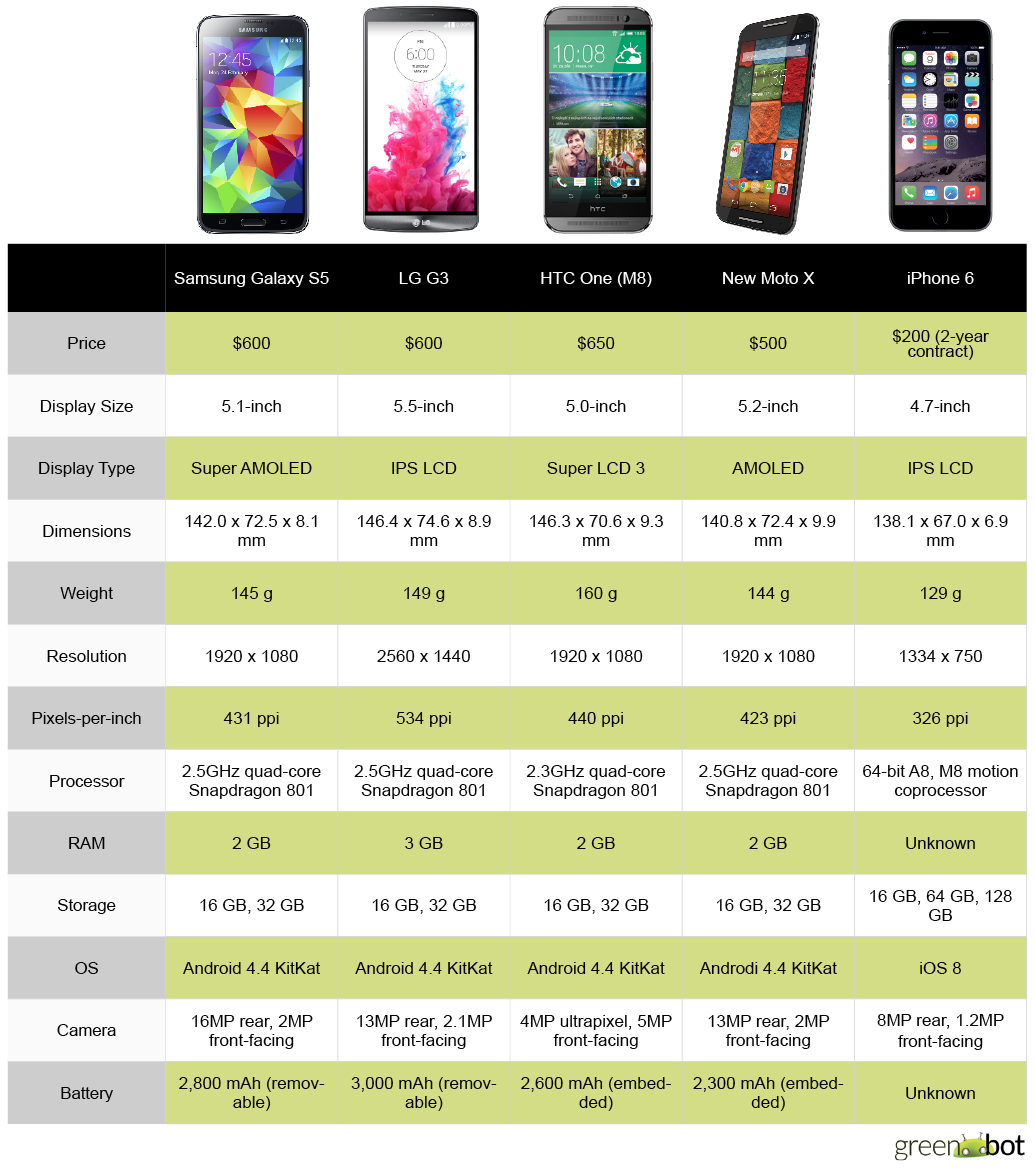
Okay, here is a comprehensive, approximately 2000-word article comparing the latest Android flagships against the latest iPhones.
The Enduring Battle: Latest Android vs. iPhone – A Head-to-Head Comparison
In the dynamic world of smartphones, the rivalry between Apple’s iPhone and the vast array of Android devices remains the most compelling and hotly debated topic. Year after year, both ecosystems push the boundaries of technology, delivering increasingly powerful, capable, and intelligent devices. The question isn’t just about which is "better" in a vacuum, but rather which ecosystem, philosophy, and set of features align best with an individual user’s needs, preferences, and lifestyle.
This in-depth head-to-head comparison dives into the latest offerings from both camps – primarily focusing on Apple’s iPhone 15 Pro series and top-tier Android flagships like the Samsung Galaxy S24 Ultra, Google Pixel 8 Pro, and other contenders – examining every critical aspect from the foundational operating system to the nuanced user experience, aiming to equip you with the knowledge to choose your next digital companion.
I. Operating Systems: The Core Divide (iOS vs. Android)
At the heart of every smartphone lies its operating system, defining the user experience, customization options, and overall philosophy.
iOS (Apple): The Walled Garden of Simplicity and Cohesion
Apple’s iOS is renowned for its intuitive interface, seamless user experience, and tight integration across its hardware and software. It embodies a "it just works" philosophy, prioritizing ease of use, consistency, and a unified aesthetic.
-
Strengths:
- Simplicity & Polish: A clean, straightforward UI that’s easy for anyone to pick up.
- Performance Optimization: Because Apple controls both hardware and software, iOS devices typically run exceptionally smoothly, with apps feeling highly optimized.
- Ecosystem Integration: Unparalleled synergy with other Apple devices (Mac, iPad, Apple Watch, AirPods). Features like Handoff, AirDrop, and Universal Clipboard create a cohesive digital environment.
- App Quality: Historically, apps often arrive on iOS first and are sometimes more polished due to fewer device variations for developers to contend with.
- Software Updates: Consistent, timely updates across all supported devices for many years, ensuring long-term security and access to new features.
-
Weaknesses:
- Limited Customization: Users have less freedom to personalize the look and feel of their device beyond wallpapers and widgets.
- Walled Garden: The tightly controlled ecosystem, while offering security and consistency, can feel restrictive for users who prefer more openness and control over their files or app sources.
Android (Google & OEMs): The Open Canvas of Choice and Flexibility
Android, in contrast, is an open-source platform known for its immense flexibility, vast customization options, and the sheer diversity of hardware it powers. From budget-friendly phones to cutting-edge foldables, Android offers a device for every need and price point.
-
Strengths:
- Customization: Unmatched ability to personalize widgets, launchers, icon packs, default apps, and more.
- Openness: Greater control over the file system, easier sideloading of apps, and more options for connecting to various peripherals.
- Device Variety: A dizzying array of phones from numerous manufacturers (Samsung, Google, Xiaomi, OnePlus, etc.), offering diverse designs, features, and price points. This includes innovative form factors like foldables.
- Innovation Catalyst: Android often pioneers new hardware and software features that eventually make their way to iOS (e.g., widgets, always-on displays, advanced multitasking).
- Notifications: Generally considered more powerful and actionable than iOS notifications, with more granular control.
-
Weaknesses:
- Fragmentation: The vast number of Android devices means inconsistent software updates and varying levels of optimization, especially outside of Google’s Pixel line.
- Varied User Experience: The experience can differ significantly between manufacturers due to custom UI overlays (e.g., Samsung’s One UI, OnePlus’s OxygenOS).
- Perceived Security: While Google has made massive strides, the open nature can lead to a perception of lower security compared to Apple’s tightly controlled ecosystem, though this gap has narrowed considerably.
II. Design and Build Quality: Aesthetics and Durability
Both ecosystems offer premium designs, but their approaches differ.
iPhone:
Apple’s design language is iconic – clean lines, flat edges (on recent models), and a focus on premium materials. The latest iPhone 15 Pro series introduced a titanium frame, reducing weight and enhancing durability while maintaining a refined aesthetic. The Dynamic Island, while initially controversial, has become a signature design element. iPhones generally feel incredibly solid and well-engineered.
Android:
Android’s design philosophy is far more varied. Samsung’s S24 Ultra continues with a flat display and sharp, angular lines, often featuring a built-in stylus (S Pen). Google’s Pixel 8 Pro offers a more rounded, softer aesthetic with a distinctive camera bar. Other manufacturers experiment with curved displays, unique material finishes (vegan leather, ceramic), and innovative form factors like foldables (Galaxy Z Fold/Flip series), which represent a significant design departure from traditional slab phones.
Verdict: Both offer premium builds. iPhone emphasizes refined consistency, while Android champions diversity and innovation in form factor.
III. Displays: A Feast for the Eyes
Modern smartphone displays are breathtaking, and both sides offer leading-edge technology.
Shared Advancements:
- OLED Technology: Both primarily use OLED panels, providing vibrant colors, true blacks, and excellent contrast.
- High Refresh Rates: Adaptive refresh rates (ProMotion on iPhone, various names on Android) up to 120Hz are standard on flagships, ensuring silky-smooth scrolling and responsiveness.
- Peak Brightness: Both push extreme brightness levels (often over 2000 nits peak) for excellent outdoor visibility and HDR content.
- Always-On Displays: While Apple adopted it later, both now offer always-on display functionality for at-a-glance information.
Differences:
- Dynamic Island vs. Punch-hole: iPhone’s Dynamic Island intelligently integrates the front camera and Face ID sensors with software alerts, while Android phones almost universally use discreet punch-hole cutouts.
- Curved vs. Flat: Many Android flagships (though less common recently) feature subtly curved displays for a more immersive feel, while Apple has stuck with flat screens.
- Resolution: Some Android flagships (e.g., S24 Ultra) offer higher base resolutions (QHD+) than iPhones, though the practical difference in sharpness at typical viewing distances is minimal.
Verdict: Both offer stunning visual experiences. The choice often comes down to personal preference for the Dynamic Island vs. punch-hole, or flat vs. curved edges.
IV. Performance: Raw Power Unleashed
In the realm of raw processing power, both ecosystems are incredibly potent, capable of handling any task thrown at them.
iPhone (A-Series Bionic Chips):
Apple’s custom-designed A-series Bionic chips (e.g., A17 Pro in iPhone 15 Pro Max) have historically held a significant lead in single-core performance benchmarks. Due to Apple’s vertical integration, these chips are meticulously optimized for iOS, resulting in exceptional real-world speed, fluid multitasking, and console-quality gaming. Their neural engines also power advanced on-device AI tasks.
Android (Qualcomm Snapdragon, Google Tensor, etc.):
Top-tier Android phones are powered by chips like the Qualcomm Snapdragon 8 Gen 3 (found in S24 Ultra, OnePlus 12) or Google’s Tensor G3 (Pixel 8 Pro). These chips have made immense strides, often matching or even surpassing Apple in multi-core performance and specific graphics workloads. They also boast powerful AI engines for on-device processing.
- Snapdragon 8 Gen 3: Known for brute force power, excellent gaming performance, and efficient thermal management.
- Google Tensor G3: Designed specifically for Google’s AI and machine learning tasks, powering features like advanced speech recognition, magical photo edits, and live translation.
Verdict: While Apple might still edge out in some raw benchmarks due to its single-core prowess and vertical integration, the performance gap in real-world usage has narrowed significantly. Both are incredibly fast, and the choice depends more on specific AI features (Tensor) or raw gaming potential (A17 Pro/Snapdragon 8 Gen 3).
V. Camera Systems: The Modern Battleground
The camera is arguably the most critical feature for many users, and both ecosystems deliver professional-grade photography.
iPhone (Computational Photography Excellence):
Apple’s camera philosophy relies heavily on computational photography, where multiple frames are merged and processed by the powerful Bionic chip to create stunning images.
- Hardware: iPhone 15 Pro Max features a versatile triple-camera system: a large 48MP main sensor (outputting 24MP photos by default), a 12MP ultrawide, and a 12MP telephoto with 5x optical zoom (tetraprism design).
- Strengths: Exceptional video recording (ProRes, Cinematic Mode up to 4K, Action Mode stabilization), consistent image quality across all lenses, excellent low-light performance, incredibly natural skin tones, and reliable point-and-shoot experience. The default 24MP output offers more detail than previous 12MP.
- Software: Smart HDR, Photonic Engine, and advanced portrait modes.
Android (Sensor Size, Versatility, and AI Magic):
Android flagships often push the boundaries with larger sensors, higher megapixel counts, and more versatile lens arrays, coupled with powerful AI processing.
-
Samsung Galaxy S24 Ultra: Boasts a quad-camera setup: a massive 200MP main sensor (with pixel-binning), a 12MP ultrawide, a 10MP 3x telephoto, and a new 50MP 5x telephoto (replacing the previous 10x). Its zoom capabilities are legendary.
-
Google Pixel 8 Pro: Features a 50MP main sensor, a 48MP ultrawide (with macro focus), and a 48MP 5x telephoto. Google’s strength lies in its unmatched computational photography, powered by the Tensor chip, delivering incredible HDR, Night Sight, and unique AI editing features like Magic Editor and Best Take.
-
Other Androids: OnePlus 12 (Hasselblad tuning), Xiaomi 14 Ultra (large 1-inch sensor), etc., all offer compelling camera experiences.
-
Strengths: Often higher megapixel counts, pushing the limits of zoom (periscope lenses), more manual controls, and groundbreaking AI editing features. Google Pixel’s HDR and low-light are often considered class-leading.
-
Software: Advanced AI scene recognition, unique editing tools, and robust Pro modes.
Verdict: Both are outstanding. iPhone offers consistent, reliable, and excellent results, particularly for video. Android flagships, especially Pixel and Samsung, often push the envelope with more versatile hardware (zoom, ultrawide) and innovative AI-driven software features. The "best" camera depends on whether you prioritize video, extreme zoom, or AI-powered photo magic.
VI. Battery Life and Charging: Powering Your Day
Battery life is crucial, and charging speeds are increasingly important.
iPhone:
Apple has steadily improved battery life. The iPhone 15 Pro Max offers exceptional endurance, often lasting a full day or more for most users. With the shift to USB-C, charging speeds have improved, but still lag behind many Android competitors. It supports MagSafe wireless charging and Qi2.
Android:
Many Android flagships often pack larger battery cells and some boast phenomenal battery life (e.g., S24 Ultra, OnePlus 12). Where Android truly shines is charging speed. Many devices support 60W, 80W, or even 120W+ wired charging, allowing a full charge in under 30 minutes. Wireless charging is also standard, with some offering fast wireless speeds and even reverse wireless charging (PowerShare on Samsung).
Verdict: For raw battery life, both can last a day, with iPhone Pro Max often being a leader. However, Android decisively wins on charging speed, offering significantly faster wired and often wireless charging solutions.
VII. Ecosystem and Integration: More Than Just a Phone
A smartphone rarely exists in isolation. Its integration with other devices and services profoundly impacts the overall user experience.
Apple Ecosystem:
This is Apple’s undeniable strength. The seamless integration between iPhone, iPad, Mac, Apple Watch, AirPods, and Apple TV creates an effortless and incredibly productive environment.
- Key Features: Handoff (start work on one device, finish on another), Universal Clipboard, AirDrop, iMessage, FaceTime, Find My network, and a consistent user experience across all devices. The Apple Watch is arguably the best smartwatch, and AirPods offer instant pairing and spatial audio.
- "Walled Garden" Advantage: While limiting, this tight control ensures all devices and services work flawlessly together with minimal fuss.
Android Ecosystem (Google & OEMs):
The Android ecosystem is more fragmented but still powerful, largely centered around Google’s services and the flexibility of connecting to a broader range of hardware.
- Google’s Core: Deep integration with Google Assistant, Google Photos, Gmail, Google Maps, and other Google services. Features like Nearby Share (Android’s AirDrop equivalent), cross-device copy-paste (within Google’s framework), and Fast Pair for accessories.
- OEM Ecosystems: Manufacturers like Samsung build their own mini-ecosystems (SmartThings, Samsung DeX for desktop-like experience, Galaxy Watch, Galaxy Buds) that offer similar cohesion within their brand, though less universally across all Android devices.
- Openness: Connects easily with a vast array of smart home devices, non-Apple watches, and third-party accessories.
Verdict: Apple’s ecosystem is unparalleled for its seamless, intuitive integration and "it just works" philosophy. Android offers greater flexibility and choice, particularly with Google’s services and a broader range of third-party hardware, but the experience is less uniformly cohesive across different brands.
VIII. Privacy and Security: Trust in Your Device
Both Apple and Google have made privacy and security paramount, though their approaches and public perception differ.
Apple:
Apple has built its brand around privacy, emphasizing on-device processing, strong encryption, and features like App Tracking Transparency (ATT), which requires apps to ask for permission to track users across other apps and websites. iCloud’s end-to-end encryption for sensitive data is also a key feature. Apple’s tightly controlled App Store also helps mitigate malware.
Android:
Google has significantly enhanced Android’s privacy and security features over the years. Granular app permissions, a robust Google Play Protect scanning service for apps, and regular security updates are standard. Features like the Privacy Dashboard (showing app access to data) and private DNS options give users more control. Google Pixel phones, in particular, benefit from dedicated security chips (Titan M2) and prompt updates.
Verdict: Both platforms are incredibly secure and offer robust privacy features. Apple often has a stronger public perception of privacy due to its marketing and tight ecosystem control, but Android, especially on Pixel devices, offers a very secure and privacy-conscious experience with more user control.
IX. Pricing and Value Proposition: What You Pay For
The cost of a flagship smartphone is a significant factor.
iPhone:
iPhones typically occupy the premium segment, with flagship models starting at high price points. However, they are known for retaining their value exceptionally well, commanding strong resale prices. Apple also provides software updates for a remarkably long time (5-7 years or more), extending the usable life of the device.
Android:
Android offers a vast spectrum of prices, from ultra-budget to super-premium flagships that often match or exceed iPhone prices (e.g., S24 Ultra). While some Android flagships can be expensive, the overall ecosystem provides more competitive pricing, especially in the mid-range. Resale values generally depreciate faster than iPhones, though top-tier Samsung and Pixel devices hold their value better than most. Software update longevity has improved significantly, with Samsung and Google now promising 7 years of OS and security updates for their latest flagships, matching or even surpassing Apple’s typical support window.
Verdict: iPhones maintain higher resale value and long-term software support (though Android is catching up). Android offers far more choice across all price points, providing excellent value at various tiers.
X. Innovation and Future Trends: Where We’re Heading
Both ecosystems are constantly innovating, but they often focus on different areas.
iPhone:
Apple’s innovation tends to be iterative and focused on refinement. They often wait for a technology to mature before integrating it, but when they do, it’s usually highly polished (e.g., Dynamic Island, satellite connectivity, USB-C). Their focus is often on enhancing existing user experiences and ecosystem cohesion.
Android:
Android is often the playground for cutting-edge and sometimes experimental hardware. Foldable phones are a prime example, pioneered by Samsung and now adopted by Google and others. Under-display cameras, rollable screens, and other novel form factors often appear on Android devices first. Google’s Pixel line also heavily emphasizes AI-driven software innovation.
Verdict: Android is generally more daring with hardware innovation (especially foldables), while Apple focuses on perfecting existing technologies and integrating them seamlessly into its ecosystem. Both are pushing the boundaries of AI, with Google leveraging its Tensor chip and Apple enhancing its on-device machine learning capabilities.
XI. Conclusion: Choosing Your Champion
After a deep dive into the latest Android and iPhone offerings, it’s clear there’s no single "winner." The choice between them boils down to individual priorities and preferences.
Choose iPhone if:
- You value simplicity, ease of use, and a consistently polished user experience.
- You are deeply embedded in the Apple ecosystem (Mac, iPad, Apple Watch) and desire seamless integration.
- You prioritize long-term software support and high resale value.
- You want exceptional video recording capabilities and reliable point-and-shoot photography.
- You appreciate a strong emphasis on privacy and a tightly controlled app environment.
Choose Android (specifically a flagship like Samsung S24 Ultra or Google Pixel 8 Pro) if:
- You crave customization and the freedom to personalize every aspect of your device.
- You desire cutting-edge hardware innovations like foldable screens or extreme zoom cameras.
- You appreciate rapid charging speeds and often larger battery capacities.
- You want more choice in terms of design, features, and price points.
- You are heavily invested in Google’s services or want the latest in AI-driven camera features and smart assistant capabilities (Pixel).
- You need a built-in stylus for productivity and creativity (Samsung Galaxy S Ultra).
In the end, both Apple and Android offer incredible devices that represent the pinnacle of mobile technology. They are faster, smarter, and more capable than ever before. The "head-to-head" isn’t about one knocking out the other, but rather a dynamic competition that ultimately benefits the consumer, as each pushes the other to innovate, refine, and deliver increasingly compelling experiences. Your perfect phone is out there, waiting for you to discover which ecosystem truly resonates with your digital life.