The Enduring Companion: A Long-Term Usage Review of the Latest Android Flagships
The allure of a brand-new smartphone is undeniable. Sleek designs, cutting-edge processors, revolutionary camera systems, and the promise of a seamlessly integrated digital life – these are the initial hooks that draw us in. But what happens after the honeymoon phase? After the unboxing videos fade into memory, and the pristine glass meets the harsh realities of daily life? This article delves deep into the often-overlooked, yet critically important, aspect of smartphone ownership: the long-term usage experience of the latest Android flagships.
We’re not talking about a two-week review, or even a two-month one. This is about living with a modern Android device for a year, two years, or even longer, examining how it holds up, evolves, and continues to serve its owner in a rapidly changing technological landscape. While specific models aren’t named, the insights apply broadly to the top-tier Android phones released in the past 1-2 years, encompassing devices from major manufacturers like Samsung, Google, OnePlus, and others that push the boundaries of mobile technology.
The Initial Glamour vs. The Sustained Reality
Upon release, the latest Android phones are showered with praise for their specifications: gigabytes of RAM, multi-core processors, high refresh rate displays, and impressive camera sensor arrays. These are crucial for initial performance, but the true test lies in their sustained capability.
1. Design and Build Quality: The Test of Time and Gravity
Modern Android flagships are stunning. Glass backs, polished metal frames, and minimal bezels create a premium aesthetic. However, this beauty often comes with fragility.
- Initial Impressions: The phone feels solid, weighty, and luxurious. The IP rating (water and dust resistance) offers a sense of security.
- Long-Term Reality: Despite Gorilla Glass advancements, micro-scratches are almost inevitable on the screen and especially the rear glass, even with careful handling. Minor drops, even from low heights, can lead to hairline cracks or shattered panels, turning a pristine device into one needing repair or a protective case. The metal frame might show scuffs or dings. The IP rating, while reassuring, shouldn’t be tested deliberately, as its effectiveness can degrade over time with repeated impacts or exposure to chemicals.
- Durability Score (Long-Term): 6/10 (High initial quality, but inherent material fragility demands protective accessories for true longevity).
2. Performance: The Marathon, Not the Sprint
Modern chipsets are incredibly powerful, easily handling anything thrown at them in the first few months. But does this raw power translate into sustained, lag-free performance over years?
- Initial Impressions: Apps open instantly, games run at maximum settings, multitasking is seamless. High refresh rate screens make every interaction feel buttery smooth.
- Long-Term Reality: While the raw processing power rarely diminishes significantly, the perceived performance can. This isn’t usually due to hardware degradation but rather software bloat, accumulated app data, cache build-up, and increasingly demanding app updates. A factory reset can often restore much of the initial zip, but daily usage inevitably leads to some slowdown. However, the top-tier chips of today are so powerful that even after two years, they still outperform many mid-range phones released concurrently, easily handling daily tasks, social media, and even moderately demanding games. Heavy gaming or extensive video editing might see minor frame drops compared to day one, but for 90% of users, the performance remains more than adequate.
- Performance Score (Long-Term): 8/10 (Excellent sustained performance, with minor caveats related to software accumulation).
3. Display: A Window to Your World, Preserved?
AMOLED displays are standard on flagships, offering vibrant colors, deep blacks, and excellent contrast. High refresh rates (90Hz, 120Hz, or even higher) enhance the user experience significantly.
- Initial Impressions: Stunning visuals, incredible brightness, and fluid scrolling.
- Long-Term Reality: For the most part, modern AMOLED displays hold up exceptionally well. Burn-in, a concern in earlier generations, is now rare, especially with proper care and dynamic pixel shifting technologies. Brightness can sometimes subtly decrease over several years, but it’s often imperceptible to the average user. Color accuracy generally remains consistent. The biggest long-term issue is physical damage – scratches or cracks from drops.
- Display Score (Long-Term): 9/10 (Excellent longevity, assuming physical protection).
4. Battery Life: The Ever-Degrading Reality
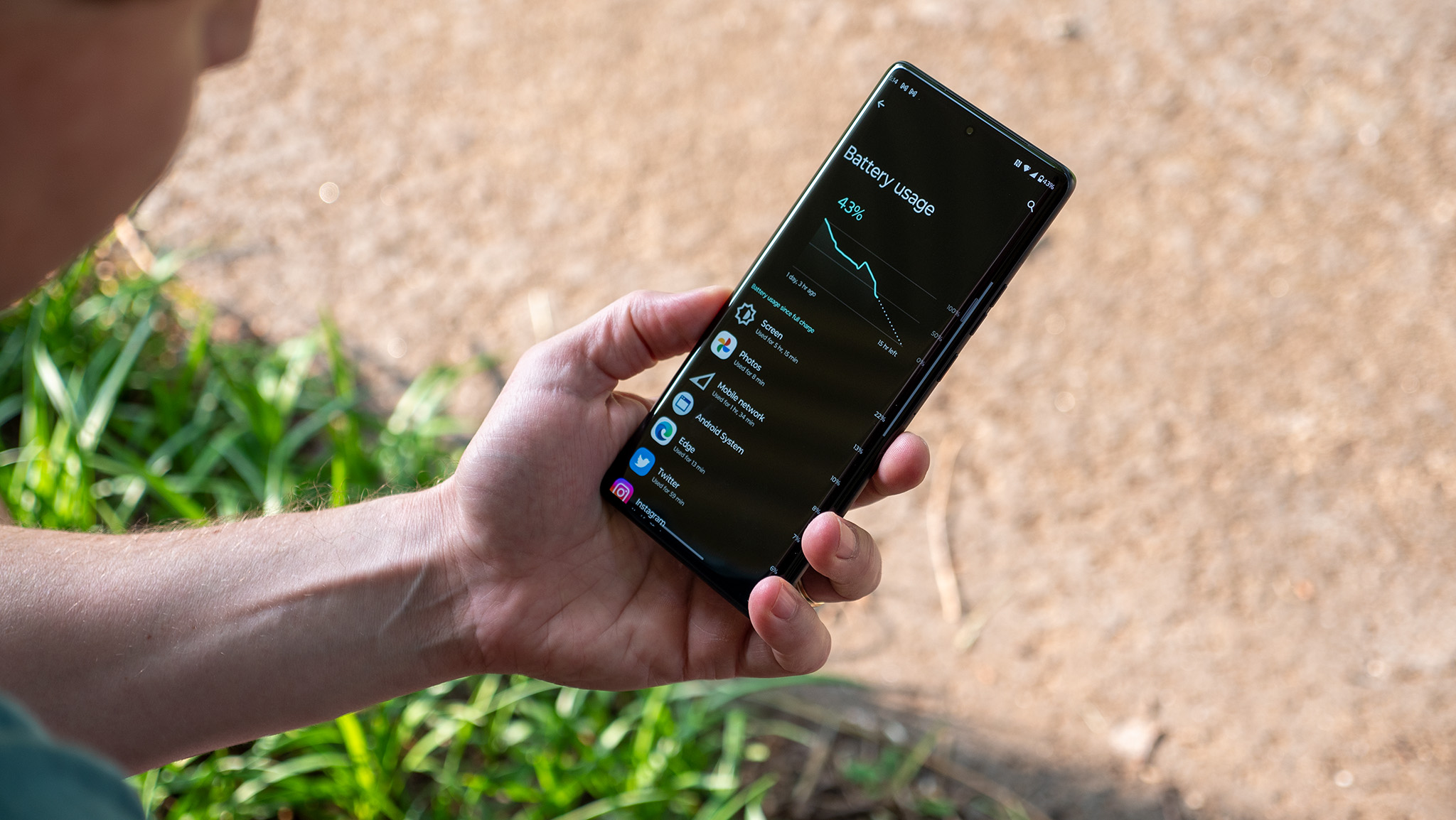
Perhaps no aspect of a smartphone’s long-term performance generates more user anxiety than its battery life. Lithium-ion batteries degrade over time, a fundamental chemical reality.
- Initial Impressions: A full day’s usage, often with some to spare, even for power users. Fast charging is a game-changer.
- Long-Term Reality: This is where the most noticeable decline occurs. After 12-18 months, most users will observe a measurable reduction in battery capacity. A phone that comfortably lasted a full day might now struggle to make it through the evening. After two years, it’s common for a flagship to need a mid-day top-up for moderate to heavy users. This isn’t a fault of the phone but the nature of battery chemistry, exacerbated by constant fast charging, extreme temperature exposure, and frequent deep discharges. While software optimizations can help mitigate the impact, they can’t reverse physical degradation. For many, a battery replacement after 2-3 years becomes a serious consideration to extend the phone’s usability.
- Battery Life Score (Long-Term): 5/10 (The unavoidable Achilles’ heel, requiring careful management or eventual replacement).
5. Camera System: The Evolving Lens
Android flagships consistently push the boundaries of mobile photography, often featuring multiple lenses, advanced computational photography, and impressive video capabilities.
- Initial Impressions: Stunning photos in various conditions, versatility with ultrawide and telephoto lenses, impressive low-light performance.
- Long-Term Reality: The hardware remains the same, but the software constantly evolves. Over time, manufacturers often release updates that improve image processing, add new features (like enhanced portrait modes, night mode improvements, or new filters), or even subtly change the color science. This means your camera can actually get better in some ways over its lifespan. However, as new phones are released with even larger sensors or more advanced computational tricks, your older flagship might feel slightly behind in specific challenging scenarios (e.g., extreme low light or zoom). But for 90% of everyday photography, the camera system remains highly capable and produces excellent results for several years.
- Camera System Score (Long-Term): 8.5/10 (Excellent hardware, with software updates often enhancing capabilities over time).
6. Software Experience: The Heartbeat of Android
The Android operating system, coupled with manufacturer-specific skins (One UI, OxygenOS, Pixel UI, etc.), defines much of the long-term user experience.
- Initial Impressions: A clean, responsive UI with new features specific to the latest Android version. Seamless integration with Google services.
- Long-Term Reality: This is a mixed bag and heavily dependent on the manufacturer’s update policy.
- Android Version Updates: Google Pixel phones generally receive the fastest and longest support (typically 3-5 years of OS updates). Samsung has significantly improved, now offering 4-5 years of OS updates for its flagships. Other manufacturers vary widely, with some offering only 2-3 major OS updates. Timely updates bring new features, security enhancements, and performance tweaks.
- Security Patches: These are arguably more critical than OS updates for long-term security. Most reputable manufacturers provide monthly or quarterly security patches for 3-5 years.
- OEM Skins: Manufacturer skins often evolve, sometimes for the better, sometimes introducing minor annoyances. Over time, these skins can accumulate minor bugs or perceived slowdowns, though often minor. The advantage of a well-maintained skin is the addition of unique features and deeper customization options that stock Android might lack.
- Bloatware: While often minimal on flagships, pre-installed apps can accumulate over time through updates, or previously uninstalled apps might reappear.
- Longevity Implications: A phone that receives consistent OS and security updates feels "new" for longer and remains secure. A phone that stops receiving updates becomes a security risk and misses out on new features.
- Software Experience Score (Long-Term): 7.5/10 (Highly variable by manufacturer, but leading brands offer excellent long-term support).
7. Ecosystem & Features: The Sum of Its Parts
Beyond the core components, a modern Android flagship integrates into a broader ecosystem and offers a host of auxiliary features.
- Initial Impressions: Fast fingerprint sensors (in-display or physical), reliable face unlock, NFC for payments, excellent stereo speakers, haptic feedback, robust connectivity (5G, Wi-Fi 6/7, Bluetooth 5.x).
- Long-Term Reality:
- Biometrics: Fingerprint sensors and face unlock generally remain fast and reliable.
- Connectivity: 5G, Wi-Fi 6/7, and Bluetooth standards are robust and future-proof for several years.
- Speakers & Haptics: High-quality stereo speakers and precise haptic motors maintain their performance well, significantly contributing to the premium feel.
- NFC/Payments: Continues to work flawlessly.
- Charging Ports: The USB-C port is durable, but repeated insertion and removal can lead to minor loosening over time, though complete failure is rare.
- Manufacturer-Specific Features: Stylus support (Samsung’s S Pen), advanced multitasking features, desktop modes (Samsung DeX), or unique AI capabilities often remain functional and useful throughout the phone’s lifespan, adding significant long-term value.
- Ecosystem & Features Score (Long-Term): 8/10 (Most auxiliary features remain highly functional and contribute to a premium experience).
Common Challenges and Pitfalls in Long-Term Android Usage
While modern Android flagships are built to last, certain universal challenges persist:
- Battery Anxiety: As discussed, this is the most significant factor. It directly impacts daily convenience and the perceived usability of the phone.
- Software Update Fragmentation: Despite improvements, the Android ecosystem still struggles with consistency in updates across all manufacturers and models. This leaves some users feeling left behind.
- Resale Value: Android flagships, particularly outside of Google’s Pixel line, tend to depreciate faster than iPhones. This impacts the financial aspect of upgrading.
- The "New Shiny Object" Syndrome: The constant release cycle of new phones with incremental upgrades can make a perfectly functional two-year-old device feel "old" simply because something newer exists.
- Repairability: While improving, many modern phones remain challenging and expensive to repair due to their intricate designs, glued components, and proprietary parts.
Maximizing Your Android Phone’s Longevity
For those looking to get the most out of their expensive investment, a few proactive steps can make a world of difference:
- Protective Gear: A good quality case and screen protector are non-negotiable from day one. They drastically reduce the risk of physical damage.
- Battery Health Practices:
- Avoid extreme temperatures.
- Try to keep the charge between 20% and 80% for daily usage, rather than consistently fully charging or fully draining.
- Use slower charging overnight when possible, instead of always relying on the fastest charger.
- Utilize any "adaptive charging" or "protect battery" features offered by your phone.
- Software Hygiene:
- Regularly clear app caches.
- Uninstall unused apps.
- Consider a factory reset every 18-24 months if performance noticeably degrades. Back up your data first!
- Stay Updated: Install all available OS and security updates promptly to ensure optimal performance and security.
- Data Management: Regularly back up photos, videos, and important documents to cloud services or an external drive. This protects against data loss and can free up internal storage.
- Consider Professional Maintenance: If battery life becomes unbearable, a professional battery replacement can give your phone a new lease on life for a fraction of the cost of a new device.
The Verdict: Are Modern Android Flagships Built for the Long Haul?
The answer, overwhelmingly, is yes. Modern Android flagships are engineering marvels designed with longevity in mind, far surpassing the planned obsolescence criticisms often leveled at older devices. The raw power, stunning displays, and sophisticated camera systems of today’s top-tier Android phones are more than capable of providing an excellent user experience for 3-4 years, and often even longer for less demanding users.
The primary limiting factor remains battery degradation, a universal challenge across all smartphone platforms. However, even this can be mitigated through good charging habits or an eventual battery replacement. Software support, once a significant differentiator for Apple, has dramatically improved for leading Android manufacturers, ensuring that your device remains secure and receives new features for an extended period.
In an era of increasing environmental consciousness and economic prudence, investing in a high-quality Android flagship and committing to its long-term usage makes more sense than ever. You get to enjoy cutting-edge technology without the pressure of constant upgrades, proving that the latest Android phone isn’t just a fleeting gadget, but a robust, enduring companion capable of seamlessly navigating your digital life for years to come. The initial investment pays off not just in features, but in sustained reliability and satisfaction.